
Reviewed · MARAS AND MORAY TOURS
Cusco: Sacred Valley and Salt Mines Ending in Ollantaytambo
The appeal of this full-day trip is its range: in one outing from Cusco, you see Chinchero’s traditional market, Moray’s unusual circular terraces, the salt pools at Maras and the Inca town of Ollantaytambo. The changing views of fields, villages and snow-capped mountains help connect these sites as parts of one Andean region, rather than isolated stops.
I like two things in particular: the variety of places you reach without arranging separate transport, and the chance to finish in Ollantaytambo instead of returning to Cusco. The price is $40 per person, but lunch and entrance fees are extra, so budget for those separately.
The trade-off is pace. Four major stops plus lunch make for a busy day, and the route can feel rushed if you want time to linger. A guide named Johnathan was praised for switching smoothly between English and Spanish, but guide assignments can vary.
Key points
- Chinchero sits at 3,772 meters: See archaeological remains, a 17th-century church and a market where bargaining is still part of the experience.
- Moray’s circular terraces are the unusual stop: Their concentric design served as an experimental agricultural center.
- Maras is a working salt site: More than 4,000 wells are used to extract salt.
- Urubamba is the lunch break: A regional buffet is part of the planned day, but its cost is not included in the $40 price.
- Ollantaytambo is the finish: Transport drops you near the train station at about 3:30 PM.
- The day covers a lot of ground: Expect a brisk series of visits, not a slow-paced exploration of each site.
One day, four very different Sacred Valley stops
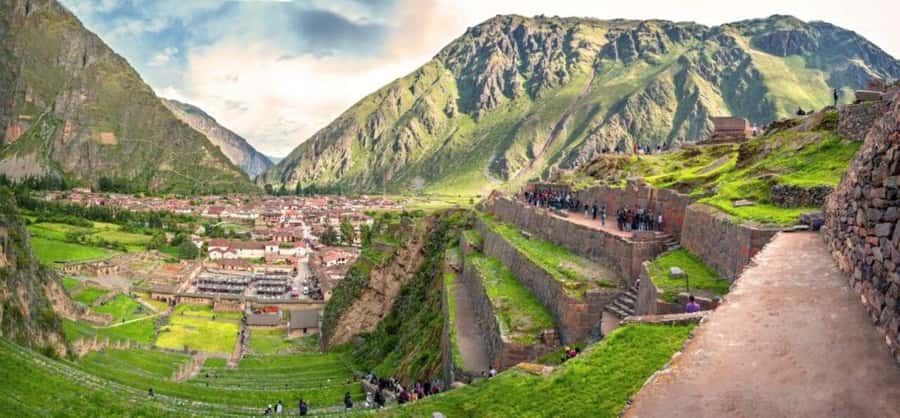
This tour is built for seeing several sides of the Sacred Valley in a single day. From Cusco, you head through a region of crop fields and picturesque villages, with snow-capped mountains in view. The route combines archaeological sites with places that remain part of daily Andean life: a market, salt works and a town where Inca-era buildings still shape the streets.
That variety is the main reason to choose this outing. Instead of focusing on one ruin, you get a broad introduction to the valley’s agricultural, cultural and historical character. The cost of that coverage is time. Visits are necessarily timed, and you should expect to keep moving rather than settle in for a long look at each site.
The tour includes hotel pickup in Cusco, transport and a live guide in English or Spanish. It lasts about 12 hours, with the stated drop-off near Ollantaytambo train station at 3:30 PM. Since the starting time depends on availability and the finish time is fixed in the description, check the schedule for your chosen date before booking.
Chinchero: market life at high altitude
Chinchero is the first stop described on the route, at 3,772 meters above sea level. That elevation is worth noting when choosing what to wear and pack. Comfortable walking shoes, water, a hat and sunscreen are practical choices for the day, especially as you move between outdoor sites.
Here, the visit brings together archaeological remains, a 17th-century colonial church and a typical market. The church contains canvases from the Cusco School, while the market offers a chance to see local trade up close. You may find that the market feels more immediate than a purely archaeological stop: bargaining is still possible, and the visit emphasizes traditional textiles made by Andean women.
I like that this stop gives the tour a human scale early in the day. The valley’s past is not only stone walls and terraces; it is also represented in craft traditions and market activity. Still, if shopping or textiles are a particular interest, the overall pace may leave less time to browse than you would want. This is a survey visit, not a dedicated textile workshop.
More Sacred Valley tours around Urubamba:
- Cusco:Sacred Valley Pisaq,Ollantaytambo,Chinchero with Lunch
★ 4.8 · 183 reviews - from Urubamba & Ollantaytambo:Sacred Valley Full-Day Private
★ 4.9 · 31 reviews - Super Sacred Valley
★ 3.8 · 6 reviews
Moray’s rings of agricultural terraces
Moray is the route’s most strikingly shaped archaeological site. Its circular agricultural terraces descend in rings, creating a form that looks quite different from the more familiar stepped terraces found elsewhere in the Andes. The site is described as an experimental agricultural center, which gives the view a practical purpose as well as visual appeal.
I would pay attention to the scale and arrangement of the terraces rather than treating Moray as a quick photo stop. The shape is memorable, but the guide’s explanation can help you understand why an agricultural site matters in a valley tour. A good guide adds context that a photograph alone cannot provide.
The limitation is the tight schedule. Moray is one of four main stops, so you may not have as much time as you would on a visit planned around the site alone. If you enjoy taking photographs, bring a camera and be ready to make choices about where to spend your time.
Maras Salt Mines: thousands of small pools
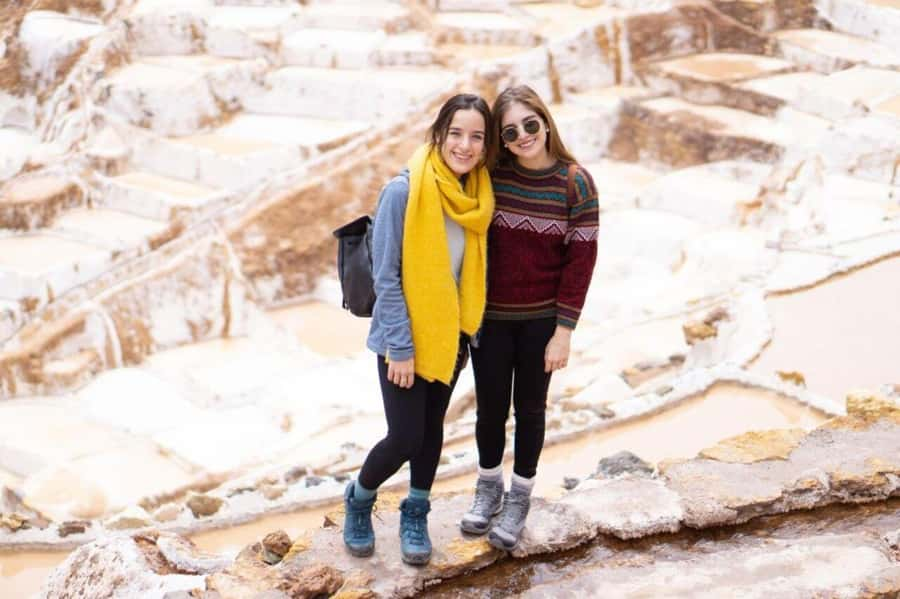
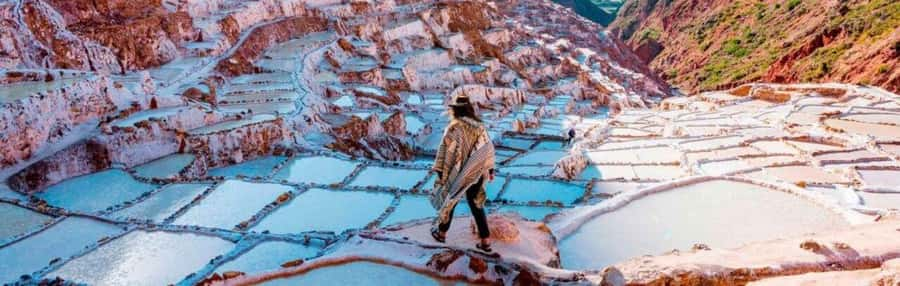
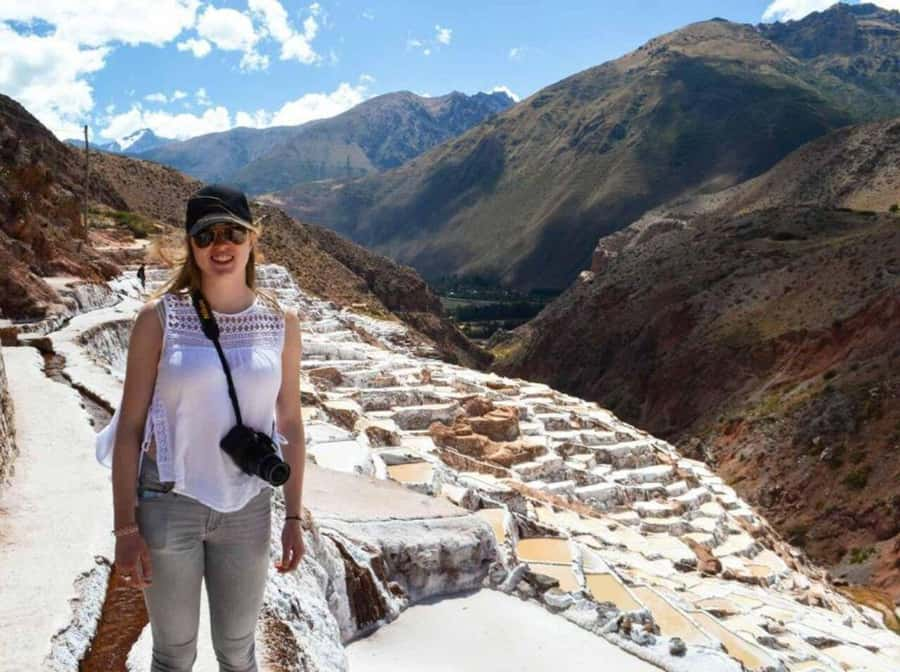
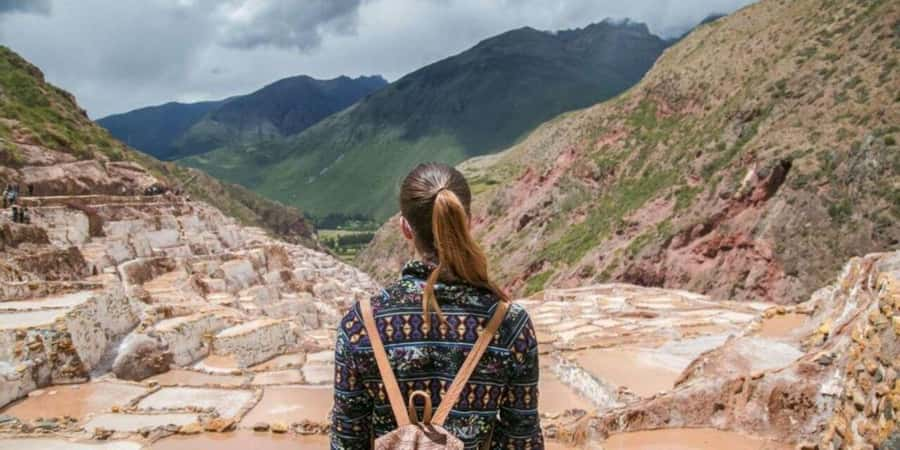
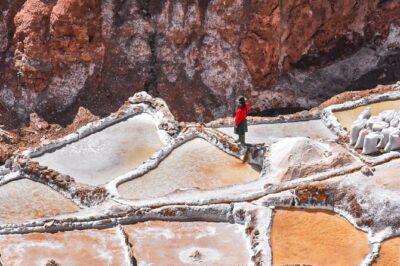
The Maras Salt Mines are a working site made up of more than 4,000 wells from which salt is extracted. Instead of one large industrial operation, the attraction is the sight of many individual pools across the area. It is a useful counterpoint to Moray: both reflect the region’s relationship with land and resources, but Maras remains tied to salt production.
This stop can be especially rewarding if you like seeing how a place functions, not just how it looked centuries ago. The salt wells give the valley another layer of everyday life, alongside its farms and markets. Take your time looking over the many pools, but remember that this is a scheduled group outing and the next stop is part of the day’s plan.
Entrance fees for Maras and Moray are not included in the tour price and must be paid separately. The amount is not specified here, so check the current fee before you go and factor it into your budget. The broader inclusion note also says entrance is not included, so confirm which other site admissions, if any, you will need to cover.
Urubamba lunch: a pause, but not a free one
After the morning visits, the route heads to Urubamba for a buffet lunch at a local restaurant. The meal is described as a chance to sample regional flavors, and it gives you a practical pause before continuing to Ollantaytambo. On a long day with several stops, a planned meal break is useful; you do not have to build the route around finding a restaurant yourself.
The important budget detail is easy to miss: lunch is not included in the $40 price. The tour includes the planned buffet stop, but you pay for the meal separately. If you are comparing the headline price with other excursions, compare the full day’s expected cost, including lunch and site entrance fees, rather than the base fare alone.
More Maras and Moray tours around Urubamba:
- From Cusco: Chinchero, Moray, Maras and Ollantaytambo
★ 4.5 · 83 reviews - From Cusco:Chinchero, Moray, Maras, Ollantaytambo with lunch
★ 5.0 · 3 reviews - From Cusco: Sacred Valley & Moray, Salt Mines with Lunch
★ 4.6 · 3 reviews - Cusco | Visit Maras, Moray, Chinchero, Pisac | Valle Vip
★ 4.4 · 3 reviews
Ollantaytambo: end among Inca stonework
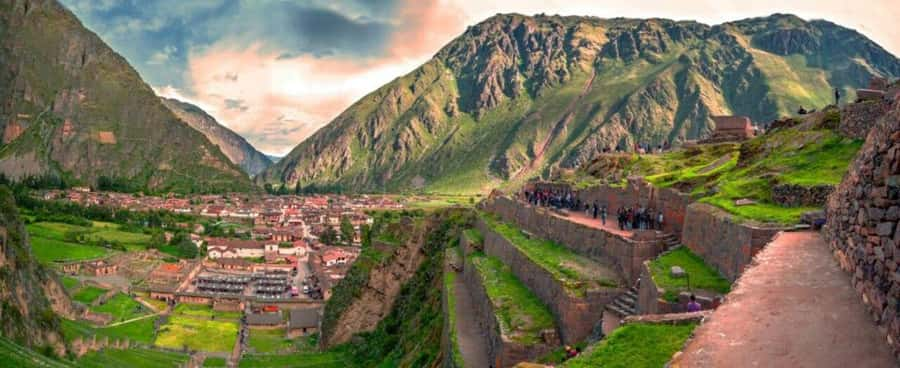
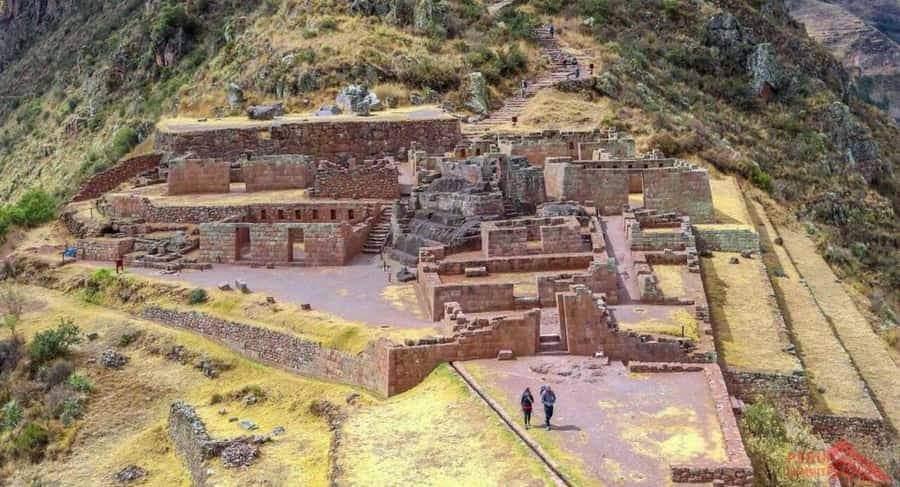
The final stop is Ollantaytambo, described as a living Inca city. Its fortress was built to protect the Sacred Valley from potential invaders, and the town’s Inca-era character makes it a fitting end to a day focused on the valley’s history and agriculture. You finish near the train station at around 3:30 PM.
This ending is a practical advantage if you are continuing onward from Ollantaytambo. Rather than riding back to Cusco, you can be dropped near the station. The tour information does not specify train arrangements or onward transport, so plan those separately and confirm the exact drop-off details with the operator.
Do not confuse a stop in Ollantaytambo with a long, independent visit. It is the final part of a packed route, and how much time you have at the site depends on the day’s schedule. If exploring the town in depth is a priority, consider whether you would rather arrange a slower visit or stay on in the area.
What $40 buys, and what it does not
At $40 per person, the tour offers a lot of ground coverage: hotel pickup in Cusco, tourist transport, a guide and visits to Chinchero, Moray, Maras and Ollantaytambo. The range is the value. Organizing transport to all four places independently would take planning, while this tour links them into one day and ends in a different town.
But the price is not an all-in cost. Lunch in Urubamba is excluded, and entrance fees for Moray and Maras must be paid separately. The general note that entrance is not included is broader, so check the admission requirements for every site rather than assuming the two named fees are the only extra charges.
The strongest part of the experience is the combination of places. A bilingual guide can make the transitions easier to follow, and one guide named Johnathan received particular praise for switching between English and Spanish with ease. That is encouraging if you need explanations in either language, though you should not assume that same guide will lead your departure.
The clearest compromise is speed. One visitor described feeling rushed from site to site, while another felt the fast schedule still left time to see the sights, hear history and take pictures. Both reactions make sense: the itinerary gives you breadth, but not much room for spontaneous detours or long visits.
Who should choose this route
I would consider this tour if you have one day available, want an efficient overview of the Sacred Valley and value having transport and a guide arranged from Cusco. It suits people who enjoy seeing contrasting sites in a single outing: a market and church, agricultural terraces, salt wells and an Inca town.
It is less suited to anyone who prefers a slow pace or wants to spend several hours at one location. If you are especially keen on textiles, archaeology or photography, you may want more time at Chinchero, Moray or Ollantaytambo than a multi-stop itinerary can offer. The route’s appeal is its range, not lingering.
The high elevation at Chinchero and the walking at outdoor sites also make sensible preparation worthwhile. Wear comfortable shoes and clothing, bring water, and carry a hat, sunscreen and camera. Those are simple items, but they make a long day of moving between sites more comfortable.
Should you book this Sacred Valley tour?
Book it if you want a practical, broad introduction to the Sacred Valley and are comfortable with a full schedule. The $40 base price is appealing for transport, guiding and four stops, especially if ending near Ollantaytambo suits your onward plans.
Before committing, add lunch and admission fees to your budget, and check the start time against the stated 3:30 PM finish. If you want an unhurried day, choose fewer stops. If you want to see the valley’s many sides in one go, this is a strong-value option, provided you treat it as a fast overview rather than a leisurely exploration.
FAQ
How long is the tour?
The stated duration is 12 hours. The listed drop-off near Ollantaytambo train station is around 3:30 PM, and available starting times depend on the date.
Where does the tour start?
The tour includes hotel pickup in Cusco.
Where does the tour end?
Transport drops you off near Ollantaytambo train station at about 3:30 PM.
Which places are included in the route?
The tour visits Chinchero, Moray, the Maras Salt Mines, Urubamba for lunch, and Ollantaytambo.
Is lunch included in the $40 price?
No. A buffet lunch in Urubamba is planned, but it is not included in the tour price.
Are entrance fees included?
No. Entrance fees are not included. Fees for Moray and Maras must be paid separately.
What languages does the guide speak?
The live guide is available in English or Spanish.
What should I bring?
Bring comfortable shoes, a hat, a camera, sunscreen and water. The tour also recommends comfortable clothing suitable for walking.
More Ollantaytambo tours around Urubamba
- Cusco: Sacred Valley, Pisac, Ollantaytambo, Salt Mines Moray
★ 4.6 · 1,058 reviews - Cusco:Chinchero,Moray & Salt Mines drop-off in Ollantaytambo
★ 4.8 · 793 reviews - Sacred Valley: Chinchero, Moray, Ollantaytambo & Pisac+Lunch
★ 4.8 · 501 reviews - Pisac Indian Market and Ollantaytambo Fortress with Lunch
★ 4.5 · 395 reviews
Just added around Urubamba
- Sun and Moon Tour★ 4.5 · 3 reviews
- Super Sacred Valley★ 3.8 · 6 reviews
- Sacred Valley Tour 1 Day★ 5.0 · 3 reviews
- Peru in 5 days: Lima, Cusco, Machupicchu & Rainbow Mountain★ 5.0 · 3 reviews
- Machu Picchu: 1-day tour by Vistadome Panoramic train★ 4.7 · 15 reviews
- Machupicchu 2025: The best ticket Circuit 2★ 3.5 · 6 reviews
- Machu Picchu: historical and photographic guided tour★ 4.9 · 27 reviews
- Private Guide in Machu Picchu for 3 Hours★ 4.2 · 17 reviews
Maras and Moray Tours, compared.
Sacred Valley & Maras Salt Mines Tour with Lunch
Read our review →
Moray, Maras Salt Mines & Chinchero Weavers Tour
Read our review →
Sacred Valley, Pisac, Ollantaytambo, Salt Mines Moray
Read our review →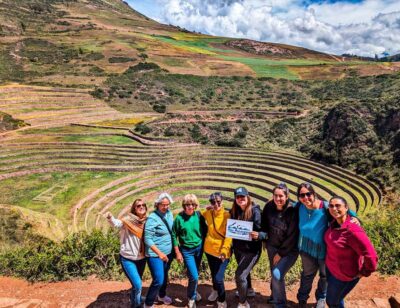
Chinchero,Moray & Salt Mines drop-off in Ollantaytambo
Read our review →

Moray, Maras Salt Mines & Chinchero Weavers Half-Day
Read our review →Browse the lists this tour appears in