
Reviewed · MARAS AND MORAY TOURS
From Cusco: Moray, Maras Salt Mines & Chinchero Weavers Half-Day
Moray’s great circular terraces and Maras’s thousands of salt pools make this a full day of Andean history, farming, and work that continues today. I like that the route also stops at a Chinchero weaving workshop, where you can see how local makers use plants to produce natural dyes. I also like the bilingual guiding: guides including Felipe, Julio, and Manuel have shared context along the way, not just names and dates.
One thing to plan for: the tour is called a half-day outing, but it takes about six to seven hours, with no meal stop. The minibus can feel cramped when full, and the entrance fees add a substantial amount to the low advertised price.
Key points
- Three very different stops: Meet weavers in Chinchero, see Inca agricultural terraces at Moray, and visit the working salt pools at Maras.
- Natural dyeing in action: The Chinchero workshop explains how local makers draw color from plants, with time to browse handmade goods.
- A long half-day: Expect hotel pickup between 8:20 and 8:40 am and a return near Cusco’s Plaza de Armas around 3:15 pm.
- Budget for entry fees: Moray costs $19 or 70 soles, and the salt mines cost $6 or 20 soles. Neither fee is included.
- Small-group format: The stated maximum is 16 people, with transport and a bilingual guide included.
- Bring water and snacks: Lunch is not included, and there is no planned meal stop during the tour.
Three sides of the Sacred Valley in one outing
This route is a useful introduction to the Sacred Valley’s variety. In a single trip from Cusco, you see a living textile tradition, an extraordinary Inca farming site, and salt production that has continued since pre-Inca times. The stops are not interchangeable: each gives you a different way to understand how people here have adapted to the mountains.
I especially like the contrast between the workshop and the archaeological sites. At Chinchero, the focus is on skills still practiced by local people. At Moray, the terraces invite you to think about the agricultural knowledge behind Inca building. At Maras, workers still tend small pools and process the salt for regional markets.
The trade-off is a fairly packed schedule. You get about an hour at each main stop, plus road time, so this is a sampler rather than a slow visit. If you want long stretches to wander, shop, or photograph every viewpoint, a private trip or separate visits may suit you better.
Chinchero: weaving, markets, and a sales stop
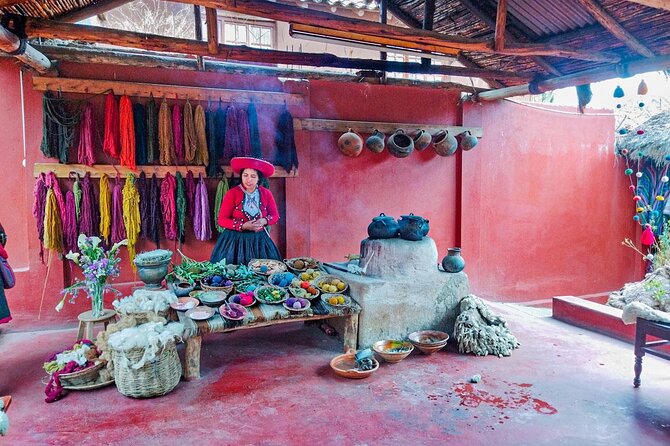
Pickup is scheduled between 8:20 and 8:40 am, followed by a drive to Chinchero, at about 3,762 meters above sea level. The visit covers part of the town and an Andean textile center, rather than a full tour of Chinchero. You’ll have roughly an hour for the stop.
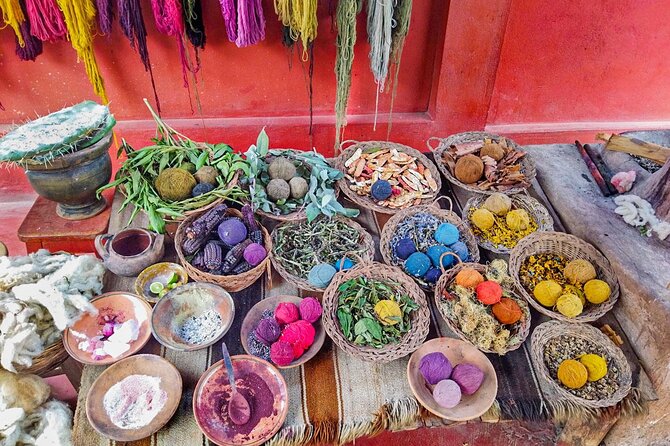
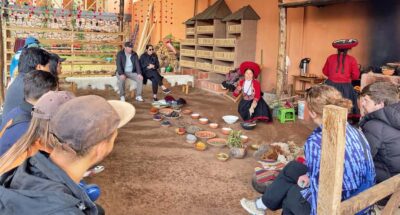
The workshop demonstration is the main reason to pay attention here. Local weavers explain how they prepare colors from natural plants and use them in their textiles. It gives you a practical look at a Quechua tradition, and it can make the finished pieces in the shop easier to understand. Some tours also include the chance to see llamas and alpacas and take photos in Andean clothing.
There’s a market, too, where bartering is practiced. Keep your expectations clear: this is a short visit, and the textile center is also a place to sell handmade goods. The demonstration is brief, and the shopping can take up much of the remaining time. If you prefer not to buy, you can still focus on the dyeing process and the explanations.
Chinchero is high, so give yourself time to move at a comfortable pace. If you are still adjusting to Cusco’s altitude, sip water and avoid rushing around the site. The elevation is a practical consideration, not a reason to skip the stop.
More Maras and Moray tours around Cusco:
- From Cusco: Sacred Valley & Maras Salt Mines Tour with Lunch
★ 4.8 · 2,227 reviews - From Cusco: Moray, Maras Salt Mines & Chinchero Weavers Tour
★ 4.8 · 1,925 reviews - Cusco: Sacred Valley, Pisac, Ollantaytambo, Salt Mines Moray
★ 4.6 · 1,058 reviews
Moray: Inca terraces built for growing
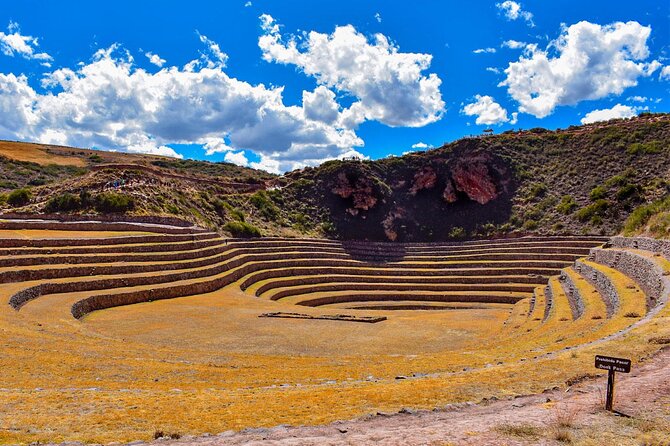
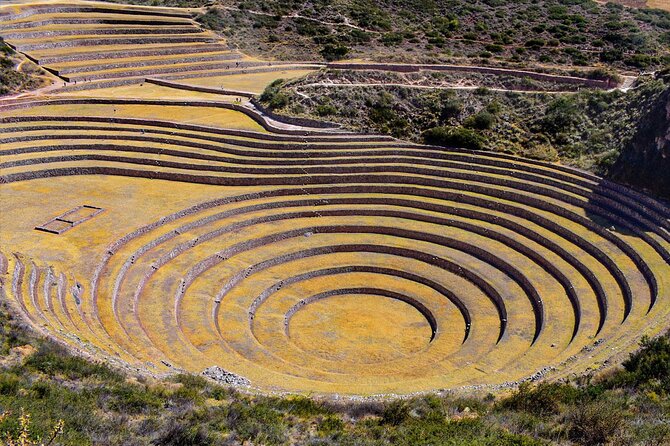
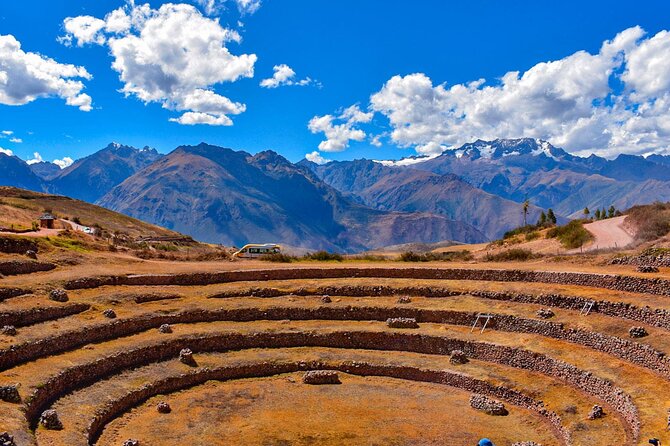
At about 3,450 meters, Moray is the tour’s clearest example of how the Incas shaped their surroundings for agriculture. The terraces descend in broad rings into a large bowl, with irrigation built into the system. The change in level creates different growing conditions across the site.
It is often described as an agricultural laboratory. The idea is that the Incas used the terraces to study how crops grew in varying conditions, including at heights where some plants would usually struggle. The exact purpose of the site is interpreted rather than certain, but the terrace design makes the ingenuity easy to grasp. Guides can connect the visible structure with the wider history of farming in the region.
You’ll have about an hour here, and admission is not included. The listed fee is $19 or 70 soles. Factor that into your budget before you book, especially since the salt mines also charge an entrance fee.
Moray is compelling even if you are not an archaeology specialist. The scale and shape of the terraces are striking, and the surrounding mountain views add to the sense of place. Still, the visit is relatively brief. If you like to walk slowly around a site or linger over photographs, keep an eye on the group’s meeting time.
Maras: salt pools still at work
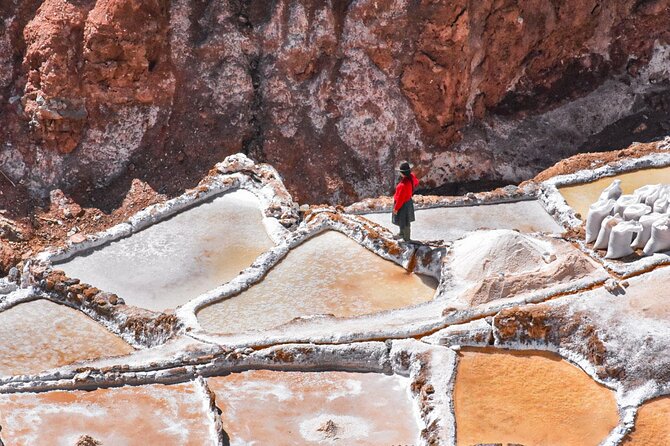
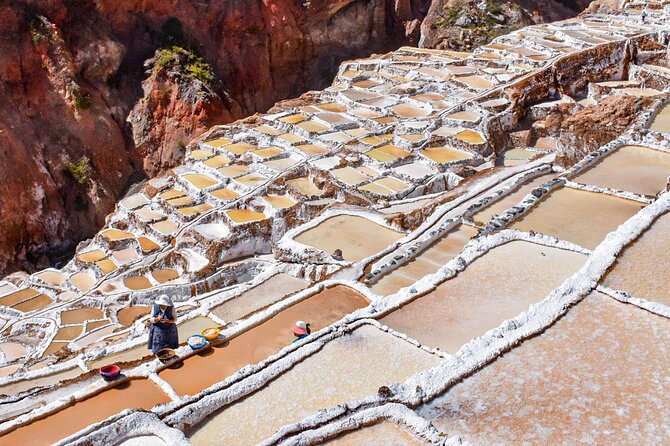
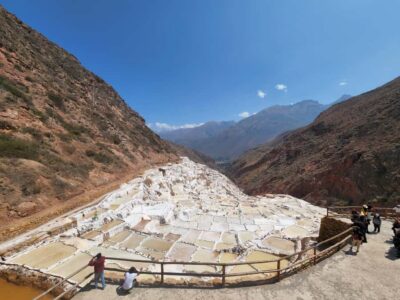
The salt pools at Maras are the tour’s most visually distinctive stop for many people. Around 3,000 small pools spread across the hillside, each part of a working salt operation that dates to pre-Inca times. The salt water comes from a natural hot spring and is directed into the pools.
During the dry season, workers fill the pools about every three days. As the water evaporates, salt remains and is collected, ground, treated with iodine, packaged, and sold in regional markets. This is not simply a historic site preserved for display. The work continues, and the pools are part of local livelihoods.
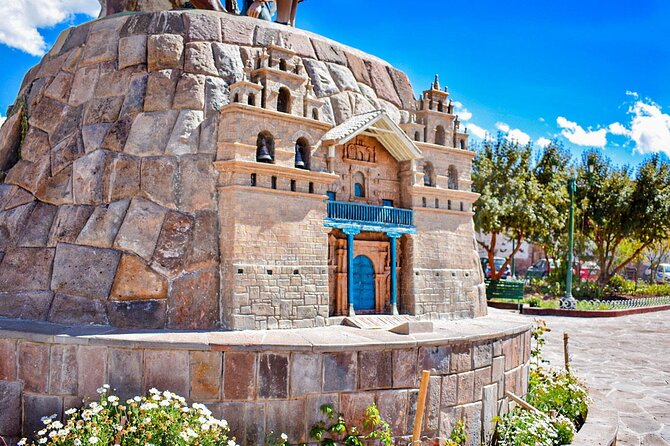
The stop also takes in Maras village, known for its colonial architecture and thin stone buildings. You’ll have roughly an hour for the village and salt mines together, so expect a quick look rather than a long visit to both.
Admission to the salt mines is listed at $6 or 20 soles, payable separately. The pools are visually impressive, but the ground and viewpoints may call for steady footing, so take your time. Your guide can help explain what you are seeing and may help with photos at scenic spots.
The guide and the ride shape the day
Transport, hotel pickup, and a bilingual guide are included. The guide matters on this route: the sites are easier to appreciate when someone explains the dyeing methods, the farming theories at Moray, and the cooperative work behind the salt pools. Guides such as Felipe, Julio, Eddie, and Manuel have led tours, but you cannot count on a particular guide being assigned.
The group limit is listed as 16, which should make it easier to hear explanations and keep the stops moving. You’ll share the vehicle with the group, though, and comfort can depend on how full the minibus is. Some rides have been described as comfortable, while a full vehicle can feel cramped. If legroom is important to you, ask the operator about the vehicle and group size before booking.
The scenic drives are part of the appeal. You’ll see the Andean surroundings between stops, rather than spending the whole outing inside archaeological sites. The flip side is that some of your six to seven hours will be spent in transit, and the schedule depends on the group staying on time.
More Chinchero tours around Cusco:
- Cusco:Chinchero,Moray & Salt Mines drop-off in Ollantaytambo
★ 4.8 · 793 reviews - Cusco:Sacred Valley Pisaq,Ollantaytambo,Chinchero with Lunch
★ 4.8 · 183 reviews - From Cusco: Chinchero, Moray, Maras and Ollantaytambo
★ 4.5 · 83 reviews - Sacred Valley with Peru Vip : Pisac, Ollantaytambo and Chinchero
★ 5.0 · 69 reviews
What the $15.20 price really covers
At $15.20 per person, this looks like a bargain, but it is not the full cost of the outing. Transport, hotel pickup, and a bilingual guide are included. Moray admission costs another $19 or 70 soles, and the salt mines charge $6 or 20 soles. That brings the listed cost to about $40.20 per person before food or tips.
You also need to arrange your own lunch. The tour returns to Cusco near the Plaza de Armas at around 3:15 pm, but there is no meal break along the way. Bring water and snacks so you are not counting on finding food during the route. Breakfast, lunch, tips, and hotel drop-off are not included.
For the actual sites covered, the total can still be good value. You get transport between three stops that would take more planning to visit independently, plus a guide who can give context along the way. The value is strongest if you want an efficient overview of Chinchero, Moray, and Maras. If you want more time at each place, the low base fare may not compensate for the tight schedule.
The tour is commonly booked about 26 days ahead, so it is sensible to plan early if the date matters to you. Free cancellation is available up to 24 hours before the start time. The outing depends on good weather; if poor weather cancels it, you’ll be offered another date or a full refund.
Who should book this Cusco tour?
I’d choose this outing if you want to see three very different parts of the Sacred Valley without arranging separate transport. It is especially useful as an introduction to the region, and it suits people who enjoy hearing how local traditions and historic sites connect to daily life.
It is less ideal if you want a relaxed pace, a proper lunch break, or a guaranteed roomy seat. The phrase half-day can also mislead: set aside most of the day, and do not schedule a tight commitment immediately after the expected return.
FAQ
How long does the tour take?
The tour takes approximately six to seven hours. Pickup is scheduled between 8:20 and 8:40 am, with a return near Cusco’s Plaza de Armas at around 3:15 pm.
What is included in the price?
Hotel pickup, transportation, and a bilingual tour guide are included.
How much do Moray and the salt mines cost?
Moray admission is listed at $19 or 70 soles. The salt mines cost $6 or 20 soles. Both fees are excluded from the tour price.
Is lunch included?
No. Lunch and breakfast are not included, and the tour does not include a meal stop. Bring water and snacks.
Does the tour drop me back at my hotel?
Hotel pickup is included, but hotel drop-off is not. The return is described as being near Cusco’s Plaza de Armas.
How many people are in the group?
The stated maximum is 16 people.
Can I cancel for a refund?
You can cancel up to 24 hours before the experience’s start time for a full refund. If poor weather cancels the tour, you’ll be offered another date or a full refund.
More half-day tours around Cusco
- Cusco: Half-Day City Tour with Sacsayhuaman and Q’enco
★ 4.6 · 1,129 reviews - Cusco: City Tour | Half-Day Tour to 4 Archaeological Sites
★ 4.6 · 206 reviews - Cusco: Half-Day City Tour
★ 4.2 · 129 reviews - Cusco: Half-Day Horseback Riding at Devil’s Balcony
★ 4.9 · 89 reviews
Just added around Cusco
- Zipline over the Sacred Valley Trip★ 5.0 · 11 reviews
- Visit Pisac from Cusco: Private Transport★ 4.6 · 9 reviews
- TRIP FROM PUNO TO CUSCO WITH THE ROUTE OF THE SUN★ 4.7 · 16 reviews
- Vinicunca Mountain Tour – Full Day Tour to Rainbow Mountain★ 3.4 · 4 reviews
- Valle Sur Cusco | half day★ 4.3 · 3 reviews
- Trek to Choquequirao 4 days★ 3.8 · 4 reviews
- Trek to Humantay Lake from Cusco★ 4.9 · 8 reviews
- 2 Day – Short Inca Trail to Machu Picchu – Group Service★ 5.0 · 30 reviews
Maras and Moray Tours, compared.
Sacred Valley & Maras Salt Mines Tour with Lunch
Read our review →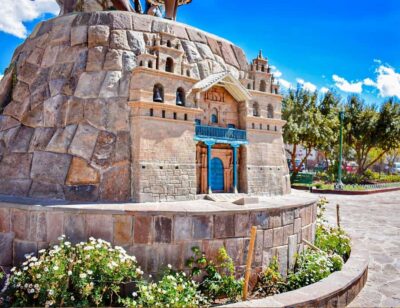
Moray, Maras Salt Mines & Chinchero Weavers Tour
Read our review →
Sacred Valley, Pisac, Ollantaytambo, Salt Mines Moray
Read our review →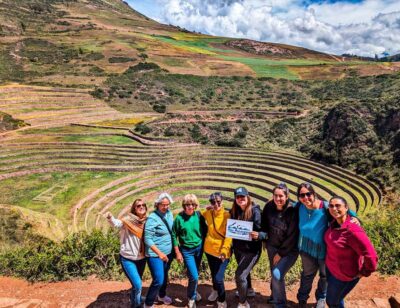
Chinchero,Moray & Salt Mines drop-off in Ollantaytambo
Read our review →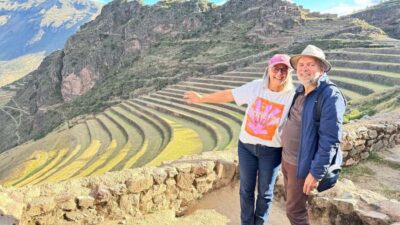

Browse the lists this tour appears in