
Reviewed · MARAS AND MORAY TOURS
Cusco: Maras and Moray Tour ending in Ollantaytambo
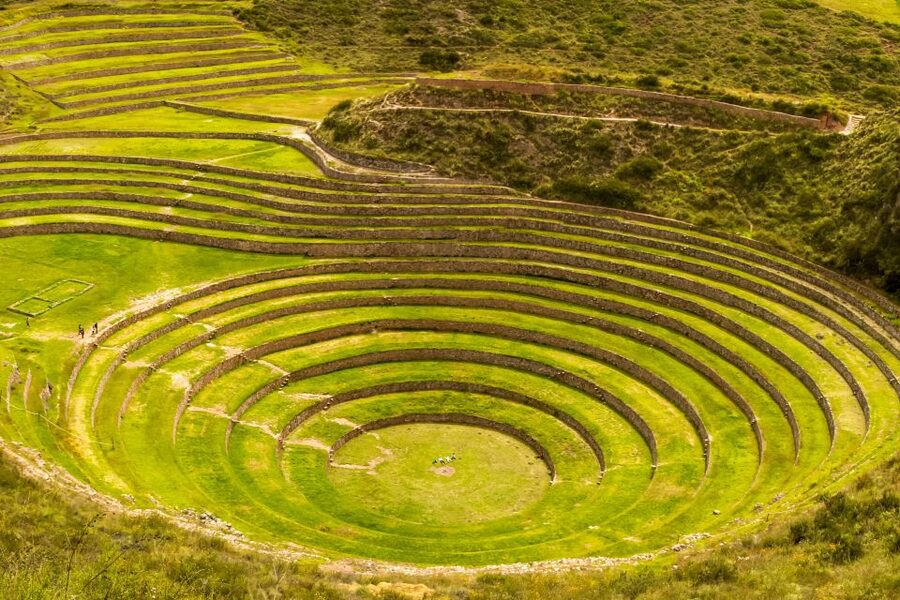
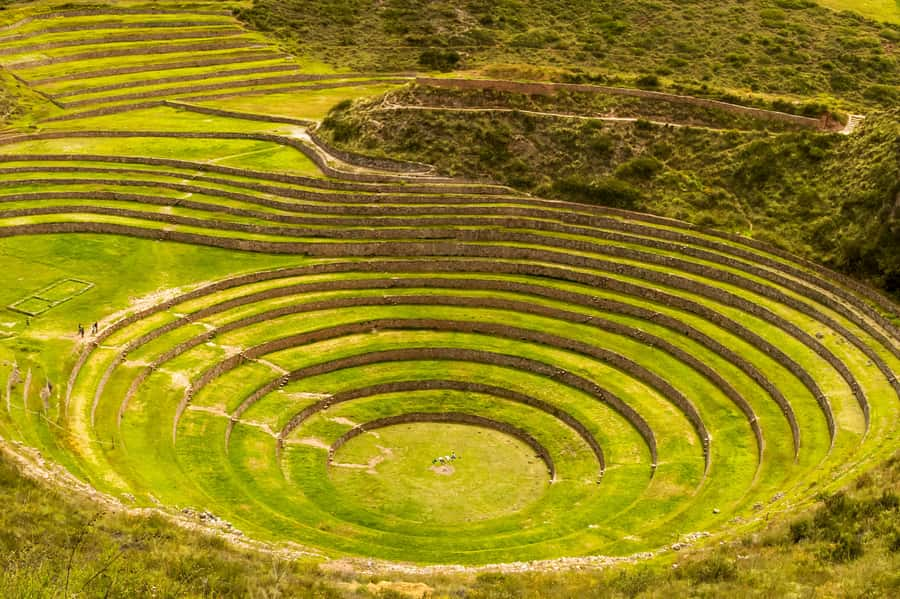
Moray’s great circular terraces look like an amphitheater carved into the earth, while Maras spreads thousands of salt pools across a hillside. This small-group trip links both striking Sacred Valley sights with a final stop at Ollantaytambo.
I like that you see two very different kinds of Inca-era ingenuity in one day: carefully shaped agricultural terraces and salt pools still used today. The included buffet lunch in Urubamba and drop-off in Ollantaytambo also make the route useful if you are continuing toward the valley.
The trade-off is time. The stops cover a lot of ground, and some visitors have found the visits rushed or the guide’s explanations too brief. The stated six-hour duration also sits awkwardly beside a 6:30 a.m. pickup and an end time around 3 p.m., so plan for a long morning and afternoon.
- Moray’s circular terraces sit in natural sinkholes on a limestone plateau, with their original purpose still not fully settled.
- Maras has more than 3,000 salt pools, fed by salty water and used since Inca times.
- Urubamba is the lunch stop, with a buffet included in the tour price.
- Ollantaytambo is the finish, at the main square, not the train station.
- The listed price is $49 per person, but the S/70 tourist ticket and salt mine entrance are extra.
- Groups are capped at 15, and the bilingual guide speaks Spanish and English.
Moray’s terraces: farming on a grand scale
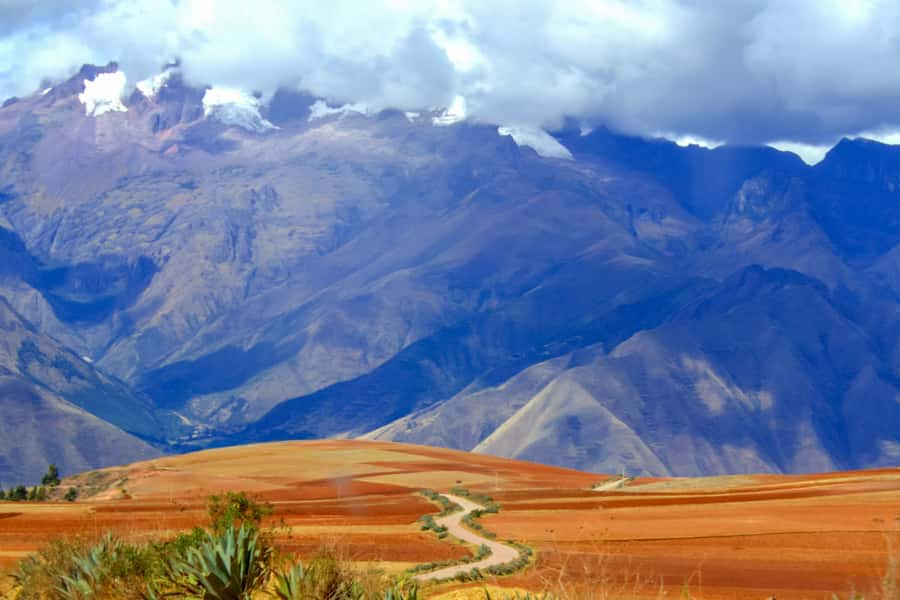
The day starts with pickup at your accommodation in Cusco, around 6:30 a.m. From there, transport takes you northwest toward Moray, about 50 kilometers from Cusco. Confirm your accommodation details when booking, since pickup is included and the operator needs to know where to collect you.
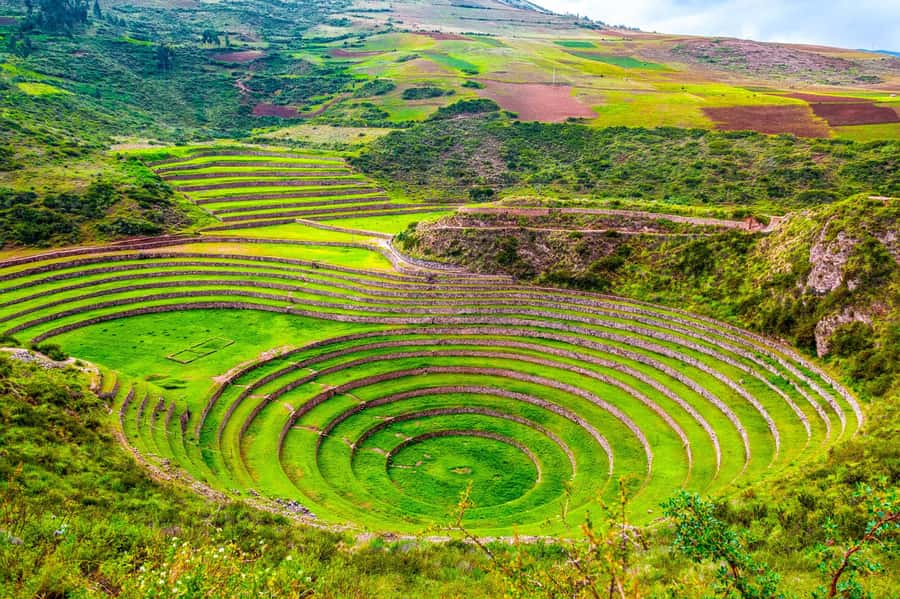
Moray is the first major stop, and its form is hard to mistake. Several sets of circular terraces descend into natural sinkholes on a limestone plateau above the Urubamba Valley. Seen from the rim, the rings create a striking pattern, and the scale helps you grasp the effort involved in shaping farmland to fit the terrain.
The terraces are often described as agricultural laboratories, a useful way to picture their possible role. Different levels may have offered distinct growing conditions, but the exact purpose beyond agriculture is not certain. A cosmological meaning has also been suggested. Your guide can add context, but the site itself leaves room for questions rather than offering a neat, complete answer.
That uncertainty is part of Moray’s appeal. You are not simply looking at a ruin with one obvious function. You can study the layout, consider how people might have used it, and take in the broad setting. Comfortable shoes help on the site, and sunscreen is a sensible choice for a stop spent outdoors.
Time is the important variable. The tour covers several places in one day, and some visitors have felt hurried or wished for more time to take photos. If Moray is your main interest, ask your guide early how much time is planned there and use it well: take your overall view first, then focus on the terraces and their levels.
Maras’s salt pools: a working site, not just a view
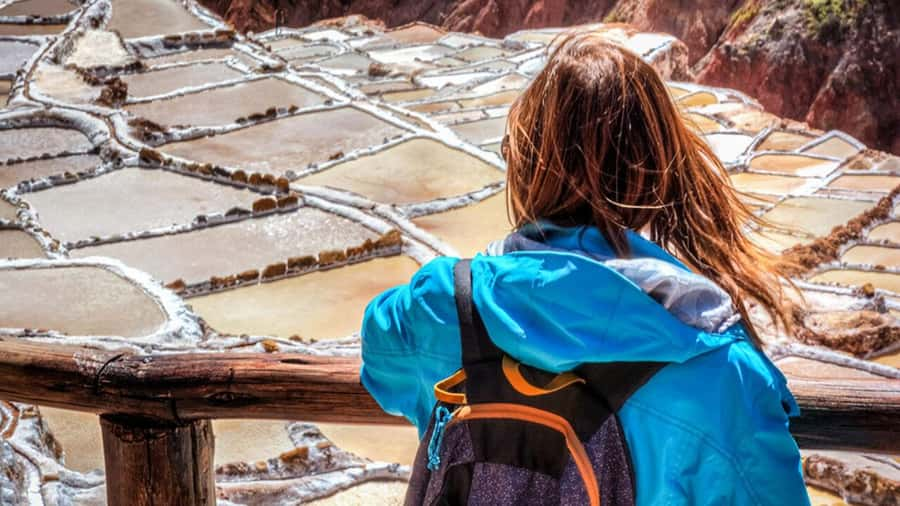
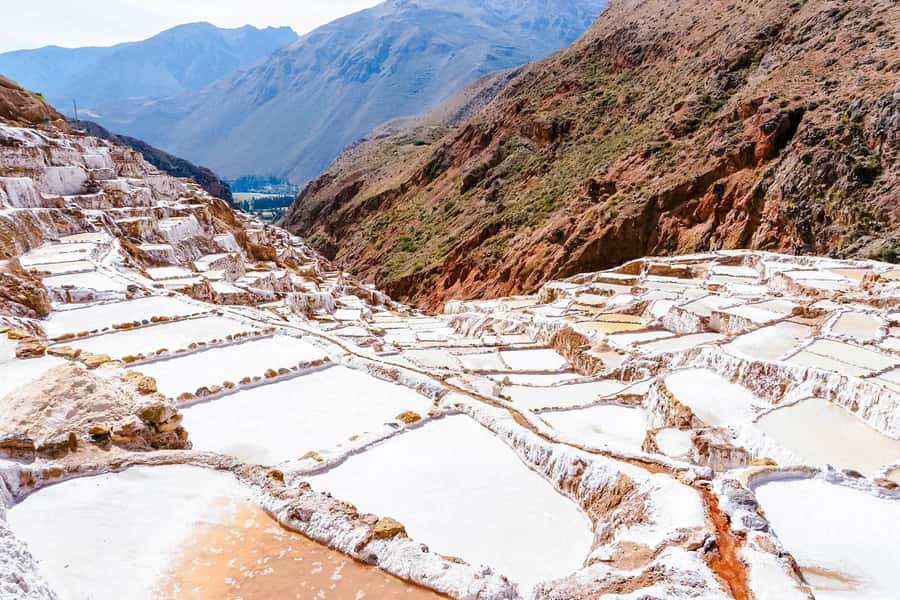
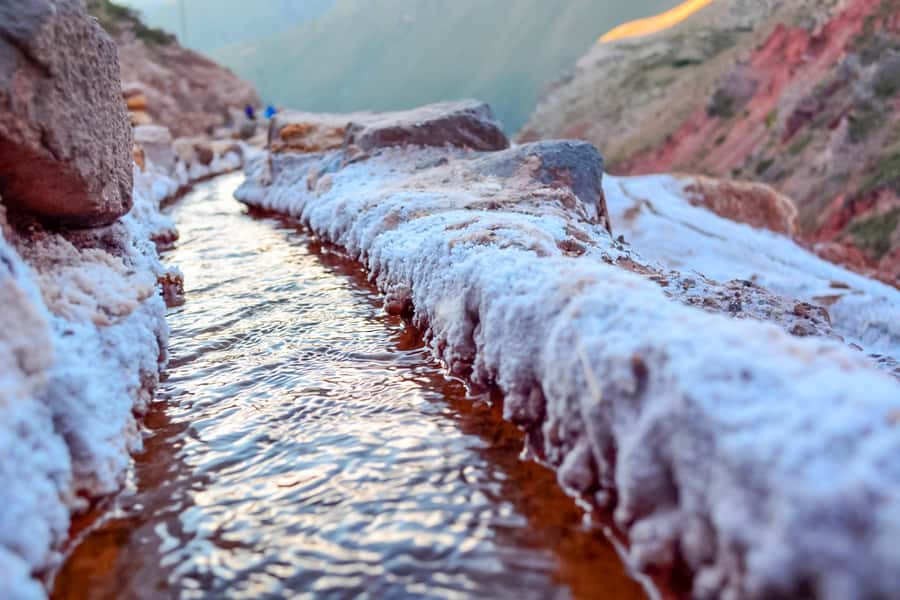
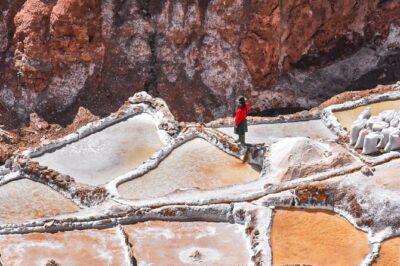
Next comes the colonial village of Maras and the nearby Salineras salt mine. The ponds lie less than a kilometer west of town, on a slope. More than 3,000 shallow pools catch salty water, which evaporates and leaves salt behind. The sight is memorable because the pools make a working hillside look almost like a patterned mosaic.
Salt production here goes back to Inca times and continued through the colonial period. It remains in use today, so the site connects an old method with present-day work. That ongoing use gives Maras a different feel from an archaeological site where the original activity has long since stopped.
The salt mine entrance is not included in the tour price. The S/70 tourist ticket is also listed as an extra cost, and one traveler’s booking message reportedly did not make the separate salt fee clear. Check both charges before you set out, and carry enough soles for them. The salt entrance price is not specified here, so confirm it with the operator rather than guessing.
At the pools, take time to look beyond the overall pattern. The attraction is not only the view from above, but the small divisions between pools and the way the salt water is collected and evaporated. Still, this is a busy, compact stop within a full-day route. If you want a slow visit or lots of photographs, the pace may feel tight.
More Maras and Moray tours around Cusco:
- From Cusco: Sacred Valley & Maras Salt Mines Tour with Lunch
★ 4.8 · 2,227 reviews - From Cusco: Moray, Maras Salt Mines & Chinchero Weavers Tour
★ 4.8 · 1,925 reviews - Cusco: Sacred Valley, Pisac, Ollantaytambo, Salt Mines Moray
★ 4.6 · 1,058 reviews
Urubamba lunch: a practical pause in the valley
The tour breaks for a buffet lunch in Urubamba, a small town in the Sacred Valley. The meal is included, which makes the $49 price easier to assess and saves you from needing to arrange lunch independently during the route.
The description does not specify the dishes, drinks, or any dietary options, so ask the operator directly if you have food requirements. The general note that meals are not included is easy to misread, but the specific tour details say a buffet lunch in Urubamba is included. Do not assume that other meals or drinks are covered.
Lunch also gives the day a useful pause between the salt pools and Ollantaytambo. The schedule is full, so this is a chance to sit down before the final site. If you are sensitive to timing, keep in mind that the tour must still reach Ollantaytambo around 3 p.m.
Ollantaytambo: the final stop and drop-off point
After lunch, the vehicle follows the Urubamba River toward Ollantaytambo. The tour visits the ruins, an important complex of Inca construction from the height of the Inca period. The site includes rock formations associated with Wiracocha, an Inca god, giving the visit another angle beyond the buildings and terraces.
Ollantaytambo is also where the tour ends, with drop-off at the main square, or Plaza de Armas. That is useful if you plan to stay in town or continue onward, but it is not the same as a drop-off at the train station. Arrange your own transfer between the square and station if needed, and do not book a train departing before 3 p.m. The tour specifically requires a train after 3 p.m. so the visits can proceed normally.
This final stop can be a strong close to the day, but it also raises the stakes for timing. If you have a train to catch, leave a margin rather than choosing the earliest possible departure. The stated end time is around 3 p.m., and transport schedules or stop durations can affect how comfortable that connection feels.
What the $49 price covers, and what it does not
At $49 per person, the tour bundles Cusco hotel pickup, transport, a bilingual Spanish- and English-speaking guide, a buffet lunch, and drop-off at Ollantaytambo’s main square. A group limit of 15 keeps the outing smaller than a large coach tour, though it is not a private experience.
The extras matter. You need to pay S/70 for the tourist ticket, and the entrance to the salt mines costs extra as well. The amount for that separate entrance is not provided. Once you add those fees, the total is higher than the headline price, so budget for them before booking.
The value is strongest if you want a guided route that combines three stops and ends in Ollantaytambo. Organizing the separate transport yourself may take more work, especially if you are moving from Cusco toward the Sacred Valley. But if you prefer lingering at each site, the fixed schedule and several stops may not suit you as well.
More Ollantaytambo tours around Cusco:
- Cusco:Chinchero,Moray & Salt Mines drop-off in Ollantaytambo
★ 4.8 · 793 reviews - Cusco:Sacred Valley Pisaq,Ollantaytambo,Chinchero with Lunch
★ 4.8 · 183 reviews - Full-Day Excursion to Sacred Valley, Pisac and Ollantaytambo from Cusco
★ 4.5 · 174 reviews - Sacred Valley Full-Day Private Tour from Urubamba & Ollantaytambo
★ 5.0 · 112 reviews
Timing, group size, and how to prepare
There is a notable timing mismatch to clarify. The activity is described as six hours, but pickup is around 6:30 a.m. and the tour ends around 3 p.m., which is about eight and a half hours. The drive and sequence of visits appear to make this a substantial day, so use the pickup and end times as your practical guide and confirm the schedule with the operator.
The group limit is 15, with a live guide in Spanish and English. The experience is not suitable for wheelchair users. Pets and large bags or luggage are not allowed, so this is not the right outing for moving your full luggage between hotels. The end point is the main square, and you should plan separately for bags and onward transport.
Wear comfortable shoes and bring sunscreen. The tour requires each participant’s passport name, number, expiry date, and country at booking. Cancellation is free up to 24 hours in advance, and the reserve-now, pay-later option can help if your plans are still taking shape.
Is this the right Sacred Valley day trip for you?
I would choose this tour if you want to see Moray, the Maras salt pools, and Ollantaytambo in one organized route, especially if ending in Ollantaytambo fits your plans. The lunch and transport add real convenience, and the mix of ancient agricultural terraces, continuing salt production, and Inca ruins gives the day variety.
I would look elsewhere if you want a slow, deeply explained visit at every stop. The pace has drawn criticism for feeling rushed, and the guidance may not satisfy you if you want detailed commentary throughout. Ask the operator about time at each site and clarify the entrance costs before paying.
The most practical choice is to treat this as a route-focused day, not an unhurried exploration. Confirm the true schedule, budget for both admission costs, and book a train after 3 p.m. If those details work for you, the tour offers a useful way to travel from Cusco through the Sacred Valley and finish at Ollantaytambo.
FAQ
How much does the tour cost?
The tour price is $49 per person. The S/70 tourist ticket and the salt mine entrance are not included.
How long does the tour take?
It is listed as six hours, but the schedule says pickup is around 6:30 a.m. and the tour ends around 3 p.m. Confirm the expected timing with the operator.
Where does the tour pick me up?
Pickup is included from your accommodation in Cusco. You need to confirm your accommodation details when booking.
Where does the tour end?
It ends at Ollantaytambo’s main square, also called Plaza de Armas. Drop-off at the train station is not specified.
Is lunch included?
Yes. A buffet lunch in Urubamba is included. Other meals are not specified as included.
What languages does the guide speak?
The live guide is listed as speaking Spanish and English.
How large is the group?
The small group is limited to 15 participants.
What should I bring?
Bring comfortable shoes and sunscreen. You will also need to provide passport details for each participant when booking.
Can I take a train from Ollantaytambo after the tour?
Yes, but your train must depart after 3 p.m. The tour ends around that time at the main square, so allow time to reach the station.
Just added around Cusco
- Zipline over the Sacred Valley Trip★ 5.0 · 11 reviews
- Visit Pisac from Cusco: Private Transport★ 4.6 · 9 reviews
- TRIP FROM PUNO TO CUSCO WITH THE ROUTE OF THE SUN★ 4.7 · 16 reviews
- Vinicunca Mountain Tour – Full Day Tour to Rainbow Mountain★ 3.4 · 4 reviews
- Valle Sur Cusco | half day★ 4.3 · 3 reviews
- Trek to Choquequirao 4 days★ 3.8 · 4 reviews
- Trek to Humantay Lake from Cusco★ 4.9 · 8 reviews
- Transfer from Cusco to Ollantaytambo★ 5.0 · 30 reviews
Maras and Moray Tours, compared.
Sacred Valley & Maras Salt Mines Tour with Lunch
Read our review →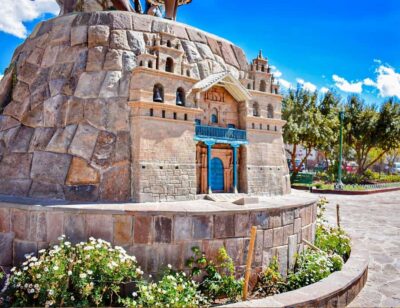
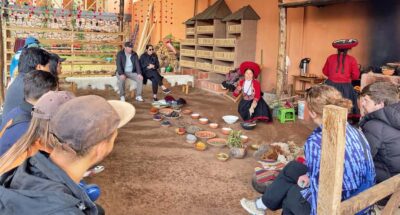
Moray, Maras Salt Mines & Chinchero Weavers Tour
Read our review →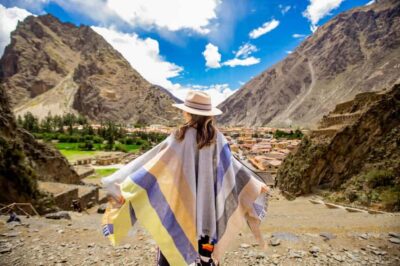
Sacred Valley, Pisac, Ollantaytambo, Salt Mines Moray
Read our review →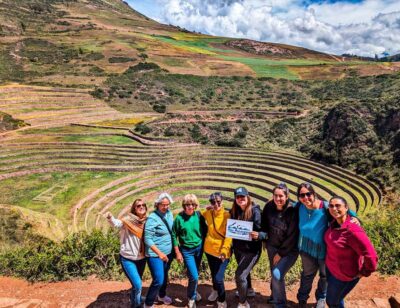
Chinchero,Moray & Salt Mines drop-off in Ollantaytambo
Read our review →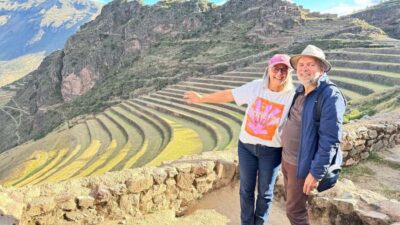

Moray, Maras Salt Mines & Chinchero Weavers Half-Day
Read our review →Browse the lists this tour appears in