
Reviewed · CUSCO CITY TOURS
Cusco City Sightseeing, San Pedro Market, Cathedral and Qorikancha Temple
Cusco’s story is written into its streets: Inca stonework supports colonial buildings, and the city’s daily trade fills the aisles of San Pedro Market. This afternoon tour links those layers in about three and a half hours, from a panoramic viewpoint to Qorikancha and the Cathedral.
I like two things in particular: the guide adds context that can be hard to get on your own, and the route pairs major monuments with a market where Cusco’s everyday life is on view. At $59, included admission to Qorikancha and the Cathedral also helps make the price easier to assess.
One caveat: the pace and length can vary. The group is capped at 15, but some tours have run shorter than expected, and the bilingual format may mean English explanations share time with Spanish. Cusco’s altitude can also make a walking afternoon feel more demanding than it looks on paper.
- San Cristóbal’s viewpoint gives you a broad first look at Cusco and its valley.
- San Pedro Market brings local foods, produce and crafts into the same visit as the city’s monuments.
- Qorikancha shows how Inca stonework became part of a Spanish colonial religious complex.
- Hatun Rumiyoc Street leads to the famous Twelve-Angled Stone, fitted tightly into an Inca wall.
- The Cathedral adds colonial paintings and carved woodwork beside Plaza de Armas.
- Small-group format means no more than 15 people, with hotel pickup from select locations.
A useful first afternoon in Cusco
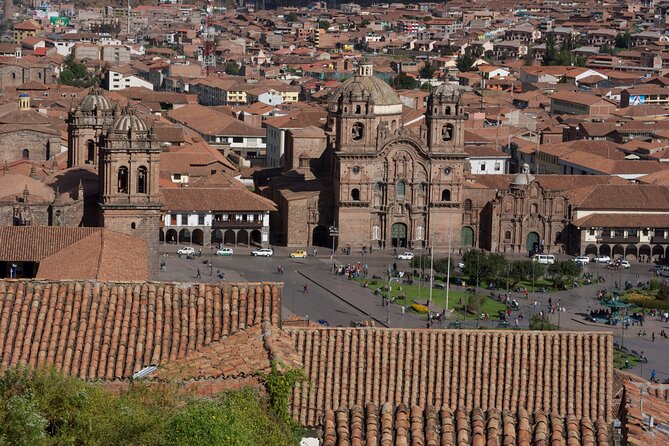
This is a strong choice if you want an organized introduction to Cusco rather than a string of visits without much context. In one outing, you see a city viewpoint, a working market, Inca architecture, the San Blas artisans’ quarter and the Cathedral. That mix helps you make sense of Cusco as both an ancient Inca capital and a modern city.
The tour begins at 2:00 pm and lasts about three and a half hours. The route combines time on foot with vehicle transfers, a practical arrangement in a city where traffic and uphill streets can add effort. One couple described the vehicle as an efficient way to get between places that could also be walked; another visitor found much of the time lost to traffic. Your experience may depend on pickup arrangements, the group and the day’s pace.
The tour has an average rating of 4.4 from 139 reviews. Praise most often centers on guides who explain Cusco’s past and present clearly, and on the value of seeing several key sights in one afternoon. But pace is a real variable: some outings have ended well before the expected duration, while others have felt rushed after delays. If you have a fixed dinner reservation, leave a cushion rather than planning your evening too tightly.
San Cristóbal: a city-sized view
The tour’s opening viewpoint at San Cristóbal Plaza gives you a broad look across Cusco. It is a useful way to get your bearings before moving into the city’s streets and buildings. There is time for photos, and the view provides a visual frame for the neighborhoods you will encounter later.
The guide can help connect what you see from above to the city’s layout and history. That context is part of the value here: a viewpoint is easy to visit on your own, but the explanation can make the stop more than a photo break.
The route description also places the San Blas artisans’ quarter and its church among the early city stops. The church is noted for its carved woodwork, while the neighborhood offers a different feel from the main square. Exact order can vary in descriptions of the tour, so ask your guide what comes next if you want to keep track of the route.
More Cusco city tours around Cusco:
- Cusco: Half-Day City Tour with Sacsayhuaman and Q’enco
★ 4.6 · 1,129 reviews - City Tour Cusco Qoricancha Sacsayhuaman y Tambomachay
★ 4.7 · 617 reviews - Open Bus Cusco City Tour
★ 4.5 · 219 reviews
San Pedro Market: Cusco’s everyday pantry
San Pedro is a good counterweight to the churches and archaeological sites. This central market is where you can see produce, potatoes, Inca corn, Oropesa bread, cheeses and handicrafts in one place. Its sights, smells and food stalls offer a glimpse of the city’s daily routines, not just its monuments.
You have about 45 minutes here, which is enough for a look around and possibly a small purchase, but not for an extended meal or a leisurely browse through every aisle. If you spot something you want to try or buy, make time for it rather than assuming you can circle back later.
The market stop is free to enter. Carry a little Peruvian currency, called soles, if you may need a restroom: facilities in Cusco can charge around one or two soles, and free options are limited. The market is also a sensible place to pay attention to your own comfort, especially if you have only just arrived at altitude.
Qorikancha: Inca stone beneath a colonial church
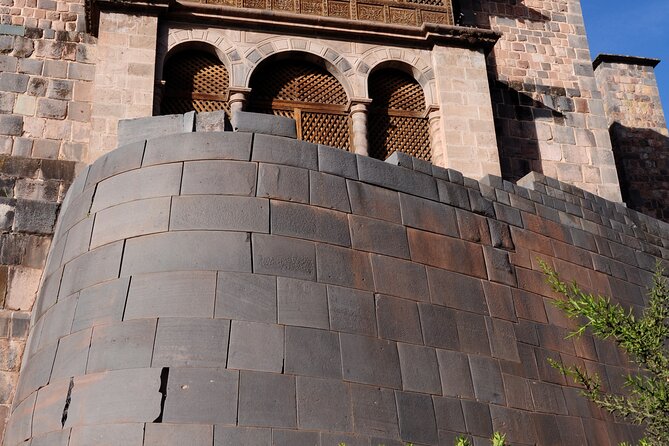
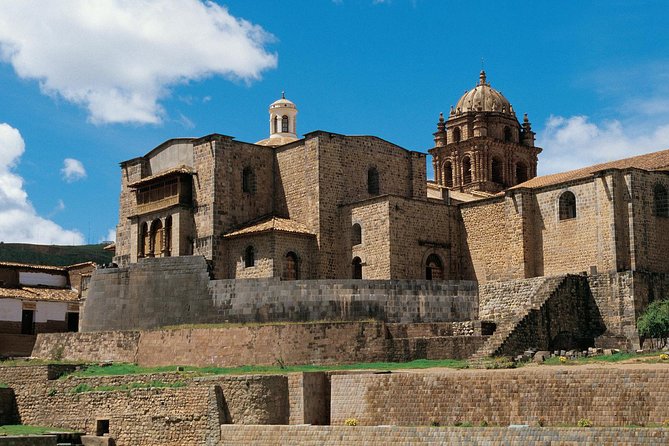
Qorikancha, also known as the Temple of the Sun, is the tour’s clearest encounter with Inca architecture. It was dedicated to Inti, the sun god, and was once covered in gold. After the Spanish conquest, much of the complex was destroyed, and its finely fitted stonework became the foundation for the Santo Domingo church and convent.
That physical layering is what makes the visit so compelling. You are not looking at two separate sites placed side by side: the surviving Inca walls and the later religious complex occupy the same ground. A guide can explain the shift in power and belief without reducing the place to a simple before-and-after story.
Admission is included in the $59 price. The stop is listed as one hour, though time inside can vary. One visitor found the Temple of the Sun especially valuable for understanding Cusco, while another felt the visit covered only part of the site. If Qorikancha is your main reason for booking, tell your guide early that you would like time to look closely at the stonework and hear how the complex changed.
San Blas and Hatun Rumiyoc’s fitted stone
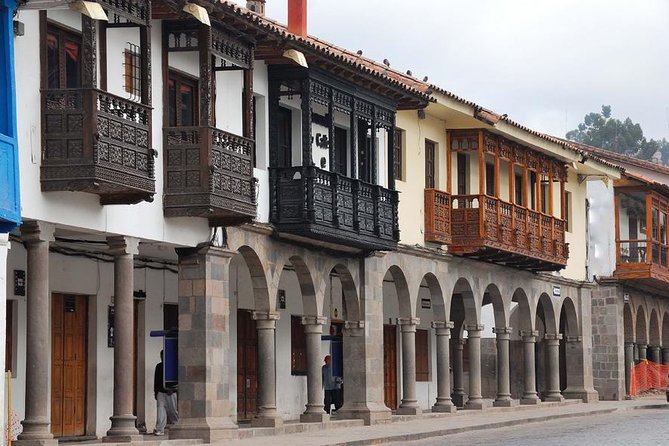
San Blas is known as Cusco’s artisans’ quarter, and the tour includes its church and carved woodwork. This stop brings a more intimate scale after the large religious sites. It also gives you a look at a neighborhood tied to craft and local character, rather than only formal civic history.
From there, the route includes Hatun Rumiyoc Street and the Twelve-Angled Stone. The stone is famous for its precise fit within the Inca wall, with twelve corners meeting the surrounding blocks. It is a small detail with a big effect: once you notice the careful joins, the quality of the masonry becomes easier to appreciate elsewhere in Cusco.
The street can be busy, and the stone is a popular point of interest. A guide’s explanation helps you understand what you are looking at, but you may have only a short pause for photos and closer inspection. Keep your attention on the wall as well as your camera; the craftsmanship is the point.
More market visits around Cusco:
- Cusco: Peruvian Cooking Class, Cocktails & Local Market Tour
★ 4.9 · 512 reviews - Cooking class and market tour with a local chef
★ 5.0 · 186 reviews - Vegan Peruvian Cooking Class Cocktails and Local Market in Cusco
★ 5.0 · 46 reviews - Cusco: Peruvian Cooking Class & Market Tour
★ 4.9 · 19 reviews
Plaza de Armas and the Cathedral
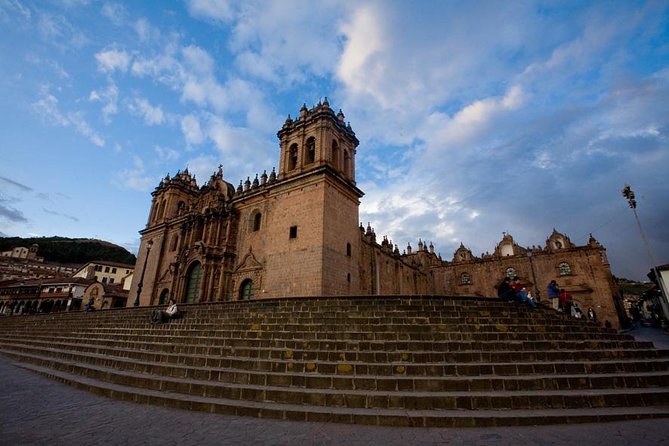
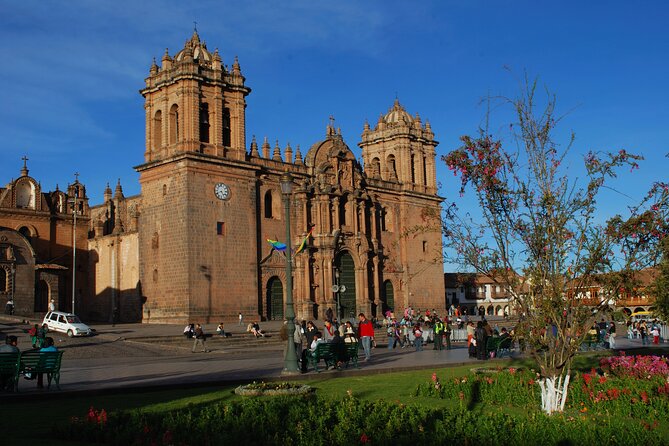
The Cathedral stands on Plaza de Armas and was built between 1560 and 1654. It is the mother church of the Roman Catholic Archdiocese of Cusco and holds colonial-era paintings and carved woodwork. Entry is included, so you can see the interior without paying an additional admission fee during the tour.
The Cathedral offers a different lens from Qorikancha. Its religious art and architecture reflect the colonial period, while the surrounding square remains a central public space lined with places to eat and shop. Taken together, the two sites make the tour’s broader story easier to follow: Cusco’s Inca foundations were not erased from the city, even as Spanish institutions reshaped it.
The Cathedral visit is listed as an hour, though some people have found it brief or felt it was treated as optional. If you want more time for the art, let your guide know before the group moves on. The tour may finish around the square, which can be a convenient place to continue exploring independently.
Guides, group size and the bilingual format
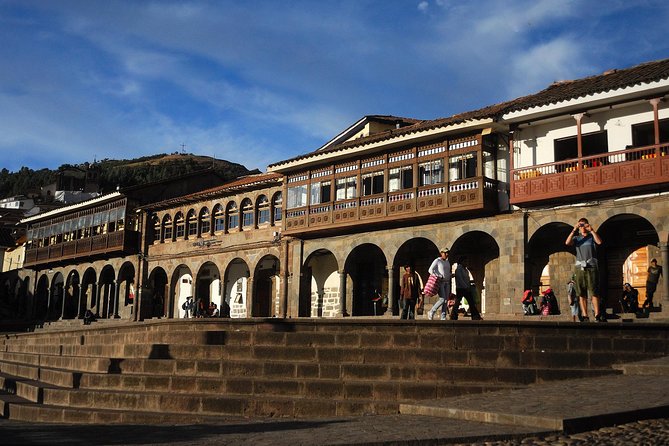
The group is limited to 15 people, a useful ceiling for a walking tour through streets and indoor sites. A smaller group can make it easier to hear explanations and ask questions, though it does not guarantee a private or English-only experience.
Guiding quality appears to be one of the tour’s biggest strengths, but it can vary. Guides named by visitors include Henry, Jose Marie, Robin, Marcelo, Manuel and Gabriel. These are examples of guides who have led the tour, not a promise of who will be assigned. Good guides have been praised for connecting history, food and local culture, and for answering questions in detail.
The service is bilingual in Spanish and English. If you book in English, confirm how explanations will be handled if the group includes Spanish-speaking participants. In one case, the English-speaking participant received shorter translations while most of the commentary was in Spanish. That may not be the usual arrangement, but it is worth clarifying before the tour begins.
What $59 covers, and where the value lies
At $59 per person, the price includes a live bilingual guide, entry to Qorikancha and the Cathedral, and pickup and drop-off from select hotels. San Pedro Market has no admission charge. Some hotels are in areas where vehicles are not allowed, so pickup may not be possible right at your door.
The strongest value is convenience and explanation. You do not need to arrange separate transport between stops, navigate the route alone or buy the two included site tickets separately. For a first afternoon, having someone connect the market, Inca buildings and colonial art can be more useful than simply checking off the sights.
The trade-off is that Cusco is compact enough for you to visit several locations independently. If you are comfortable arranging transport and prefer to spend as long as you like at each place, a self-guided visit may suit you better. The tour makes more sense if you value a guide’s context, an organized route and a single outing that covers several different sides of the city.
Altitude, timing and a few practical details
Cusco’s altitude can affect your energy, even on a tour described as leisurely. One visitor who felt unwell advised giving yourself a day to acclimatize after arriving. That is sensible planning if your schedule allows: a market and church visit may sound gentle, but walking between stops while feeling the effects of altitude can take the fun out of the afternoon.
The tour is scheduled for about three and a half hours, but reports of shorter outings and delays make it wise to keep your plans flexible. Some outings have been completed in roughly two and a half hours; in another case, a delayed pickup threatened to compress the route. Contact the provider if timing changes matter to you, and avoid booking a tight dinner reservation immediately afterward.
Pickup is offered at select hotels, but vehicle access is restricted in some parts of town. The tour is near public transportation, and most people can participate. Free cancellation is available up to 24 hours before the start time; cancellations made later are not refundable, and changes inside that window are not accepted.
Should you book this Cusco city tour?
Book it if you want a guided first look at Cusco’s major sights, appreciate the stories behind the stonework and art, and like having transport and admissions organized. The combination of San Pedro Market, Qorikancha, San Blas, Hatun Rumiyoc and the Cathedral gives you a broad introduction in one afternoon.
Think twice if you want a long, unhurried visit at every stop, need an English-only group, or have a firm appointment right after the tour. For the best chance of enjoying it, arrive rested, allow extra time afterward and tell the guide which sites matter most to you.
FAQ
What time does the tour start?
The stated start time is 2:00 pm.
How long does the tour last?
The approximate duration is three hours and 30 minutes. Actual timing can vary.
What admissions are included?
Admission to Cusco Cathedral and Qorikancha Temple is included. San Pedro Market has no admission charge.
Is the tour offered in English?
The guide service is bilingual in Spanish and English. The tour is not described as English-only.
Is hotel pickup included?
Pickup and drop-off are included from select hotels. Some hotels are in areas where vehicles are not allowed, so pickup may not be possible at the hotel itself.
How large is the group?
The tour has a maximum of 15 participants.
More shopping tours around Cusco
- Pisac Indian Market and Ollantaytambo Fortress with Lunch
★ 4.5 · 395 reviews
Just added around Cusco
- Zipline over the Sacred Valley Trip★ 5.0 · 11 reviews
- Visit Pisac from Cusco: Private Transport★ 4.6 · 9 reviews
- TRIP FROM PUNO TO CUSCO WITH THE ROUTE OF THE SUN★ 4.7 · 16 reviews
- Vinicunca Mountain Tour – Full Day Tour to Rainbow Mountain★ 3.4 · 4 reviews
- Valle Sur Cusco | half day★ 4.3 · 3 reviews
- Trek to Choquequirao 4 days★ 3.8 · 4 reviews
- Trek to Humantay Lake from Cusco★ 4.9 · 8 reviews
- 2 Day – Short Inca Trail to Machu Picchu – Group Service★ 5.0 · 30 reviews
Cusco City Tours, compared.
Half-Day City Tour with Sacsayhuaman and Q’enco
Read our review →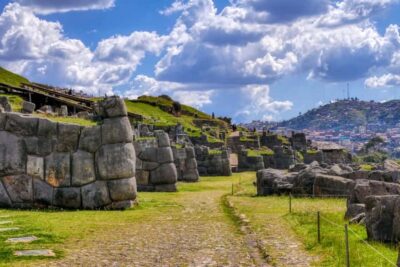
City Tour Cusco Qoricancha Sacsayhuaman y Tambomachay
Read our review →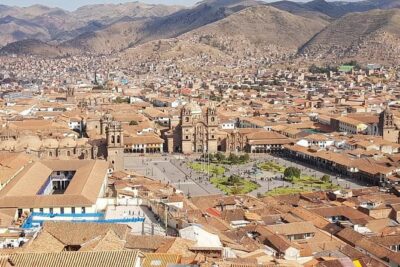
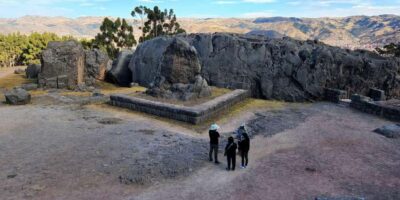
City Tour | Half-Day Tour to 4 Archaeological Sites
Read our review →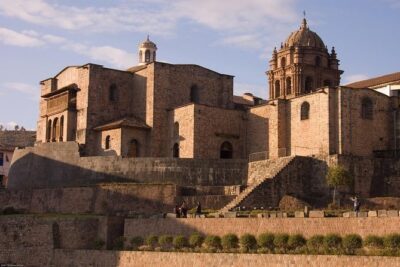
City Tour in Cusco & visit Museum South American Camelid Private.
Read our review →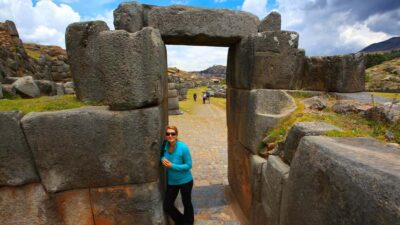
Browse the lists this tour appears in