
Reviewed · CUSCO CITY TOURS
Cusco: Historical Guided City Tour with 4 Inca Ruins
Cusco’s Inca story comes into focus on this half-day circuit: first at Qorikancha, where Inca stonework meets a later colonial church, then among the massive blocks of Sacsayhuamán and the smaller sites above the city. You get a useful introduction without spending the day figuring out transport between them.
I like two things in particular: the guide-led context helps make sense of places that can look like piles of stone without explanation, and the route reaches four Inca sites that are too far apart for an easy walk from the center. The views from the high sites add another reason to bring a camera.
The main consideration is cost beyond the $23 tour price. Entry tickets are not included, and the Inca sites require a Cusco Tourist Card, so check the total before booking and carry cash for admissions.
Key points before you book
- Four Inca sites in one circuit: Sacsayhuamán, Qenqo, Puka Pukara, and Tambomachay are paired with a visit to Qorikancha.
- Expect about six hours: The morning tour finishes around 2:30 pm; the afternoon option ends around 6 to 6:30 pm.
- The guide is central to the experience: Past guides have included Luis, Alfredo, Hyame, and Romulo. Your guide may be someone else.
- Plan for separate admission fees: The archaeological sites require a tourist card, while Qorikancha and the cathedral have their own entry charges.
- Transport saves effort: The sites are spread beyond central Cusco, and the tour provides transport between them.
- Choose the right start: Morning pickup is available at selected hotels near the main square; the afternoon option meets near the cathedral.
A fast, useful introduction to Cusco’s Inca sites
At $23 per person, this tour is a compact way to connect Cusco’s central sights with the major ruins on the hills above town. You are not simply ticking off monuments. With a good guide, you can begin to see how religion, military control, water, and the city’s geography fit together.
The schedule is brisk. You spend roughly six hours on the outing, with visits to several sites and time in a vehicle between them. That makes the tour useful if you have limited time in Cusco, or if you want a first orientation before exploring on your own.
This is not a substitute for lingering at each site. The itinerary lists substantial visit blocks, but the total tour lasts about six hours, so the actual pace and time at each stop can vary. If you want to sketch every stone or take a long, quiet walk around each complex, you may prefer to visit some sites independently.
More Cusco city tours around Cusco:
- Cusco: Half-Day City Tour with Sacsayhuaman and Q’enco
★ 4.6 · 1,129 reviews - City Tour Cusco Qoricancha Sacsayhuaman y Tambomachay
★ 4.7 · 617 reviews - Open Bus Cusco City Tour
★ 4.5 · 219 reviews
Qorikancha: Inca stonework beneath a colonial church
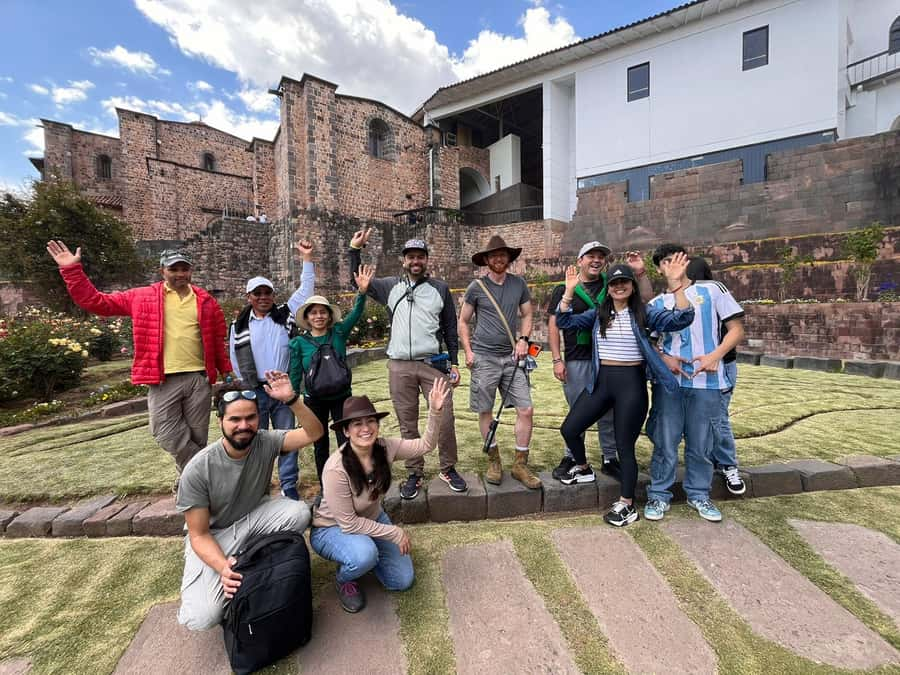
The tour begins at Qorikancha, also written as Koricancha or Qoricancha. It was the most important Inca religious complex in Cusco and is commonly known as the Temple of the Sun. Its combination of Inca construction and colonial-era architecture makes it a particularly good place to start: you can see how Cusco’s history is layered rather than neatly divided into separate periods.
The guided visit is listed as about an hour. That gives your guide time to introduce the site and explain why it mattered, while setting up the rest of the day’s story. You will need to pay a separate entry fee of 15 soles.
Not every tour option handles Qorikancha in exactly the same way. It is included as a guided visit in the first two morning options, but the supplied inclusions do not list it as a guided visit on option three. Check the details of your chosen start before booking if this temple is a priority.
Sacsayhuamán: Huge stones above the city
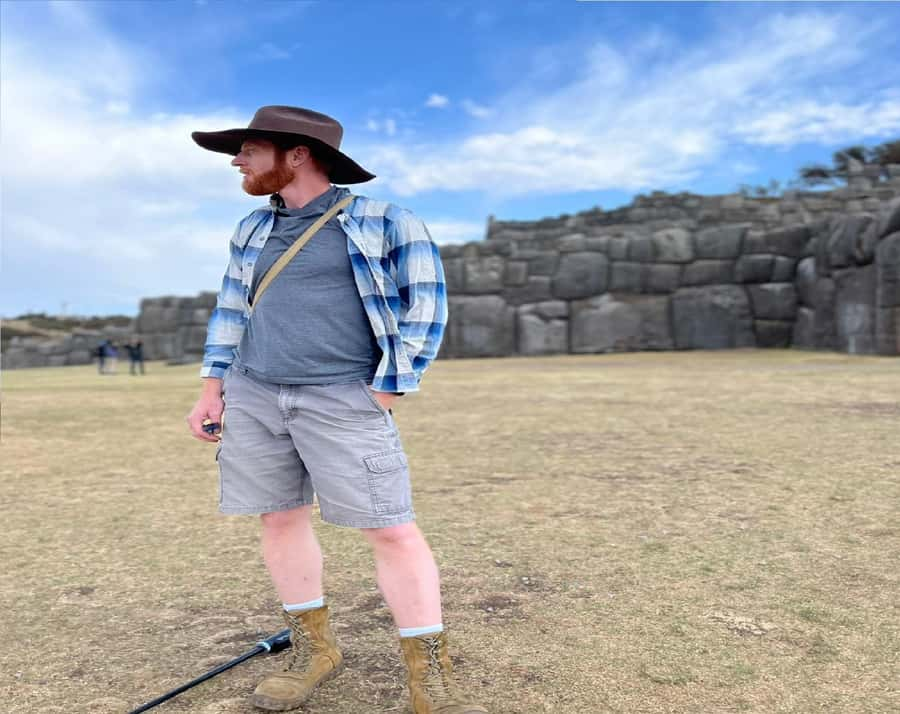
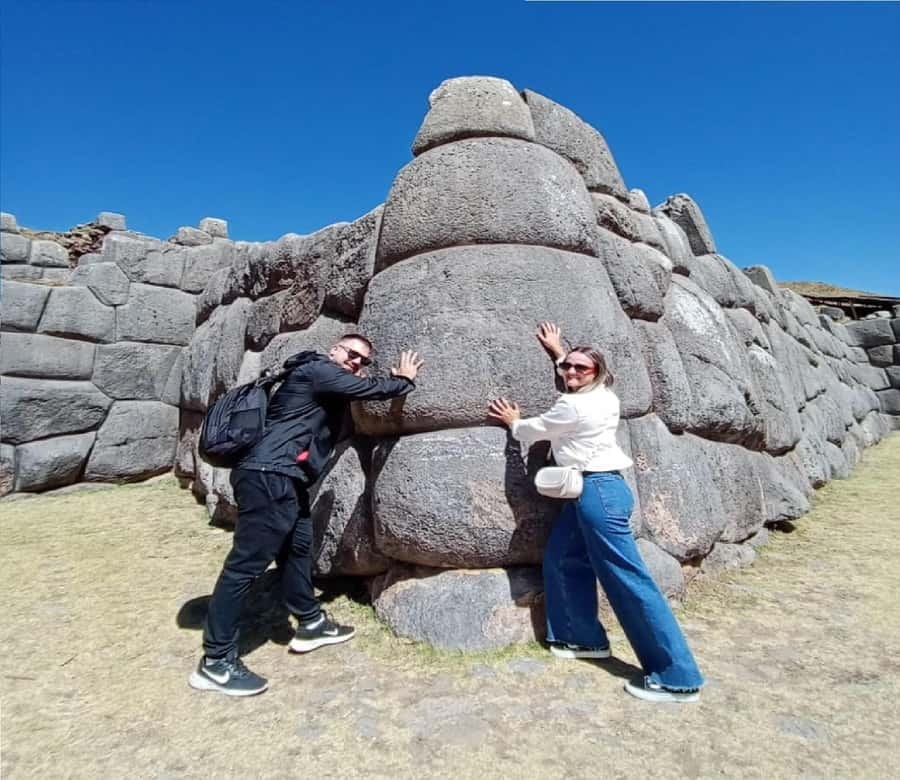
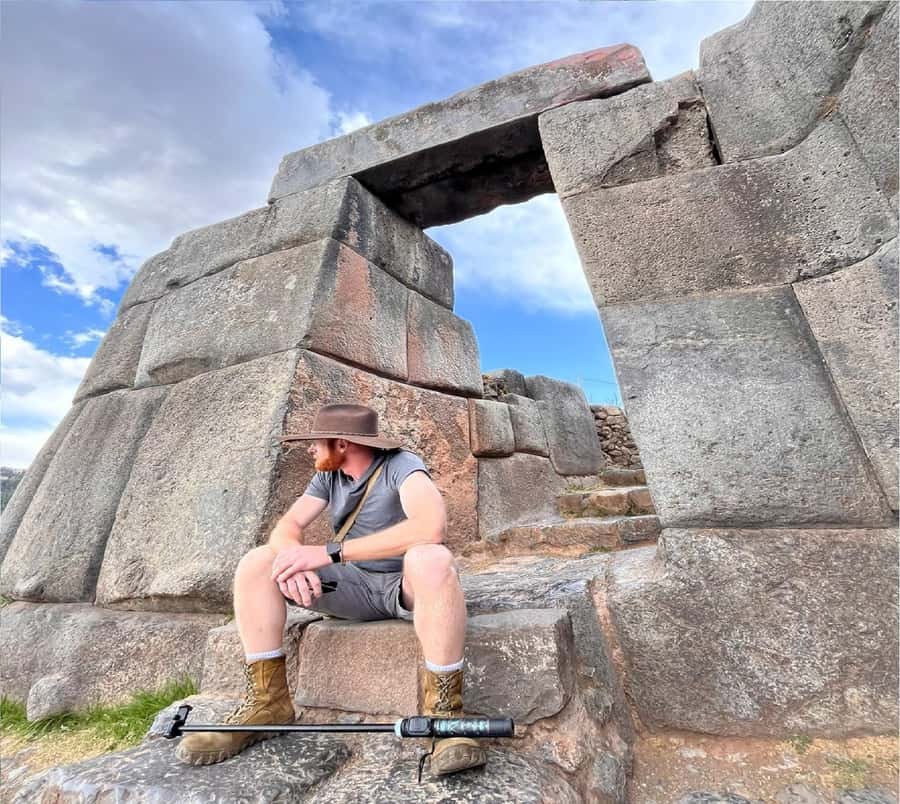
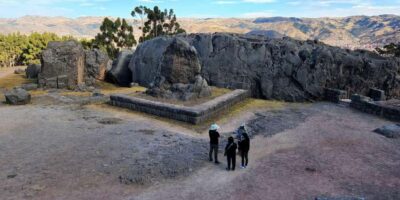
From Qorikancha, the route heads to Sacsayhuamán, also spelled Saqsaywaman or Saksaywaman. It is the largest archaeological site on the route and is known for enormous fitted stone blocks, some described as weighing more than 100 tons. The scale is the point: even before you hear the history, the masonry makes you stop and look.
The name is translated as Puma Head, a reference to the shape associated with the old Inca city of Cusco. A guide can help you connect the site to that larger picture and explain its role as a military fortress. Past tour guides, including Alfredo and Romulo, have been praised for clear explanations and for making the history accessible. Your guide will vary, but the tour is designed around an accredited guide rather than a bare-bones shuttle.
Allow for the fact that the site is outdoors and involves walking around uneven archaeological ground. Comfortable shoes are a sensible choice. The schedule gives Sacsayhuamán a substantial place in the tour, but the route continues to three more sites, so this is not a full-day visit devoted to the fortress alone.
Qenqo: Ceremony, stone, and a eucalyptus pause
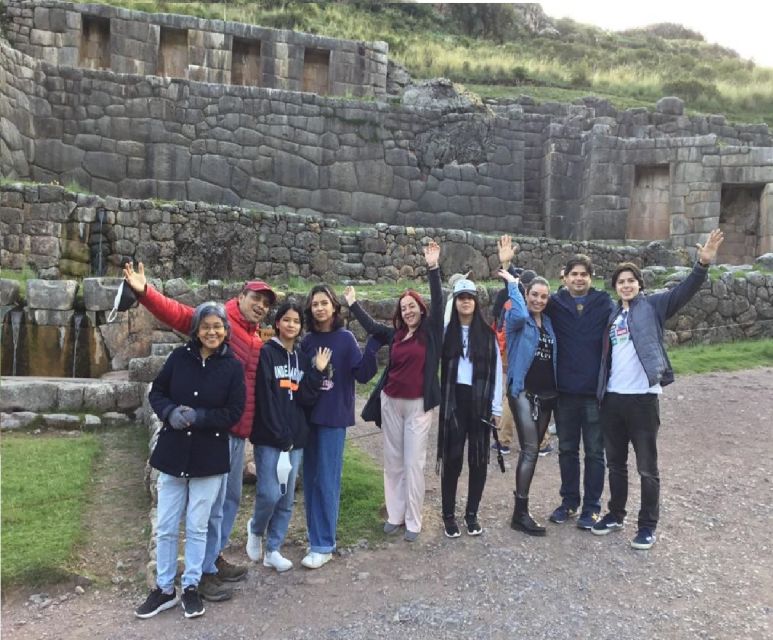
Qenqo is presented as an Inca ceremonial center and an ancient mummification site. The precise role of the complex is not settled in the information provided, so it is worth listening for what your guide distinguishes as established history and what remains uncertain. That kind of explanation is more useful than a tidy answer where the evidence does not allow one.
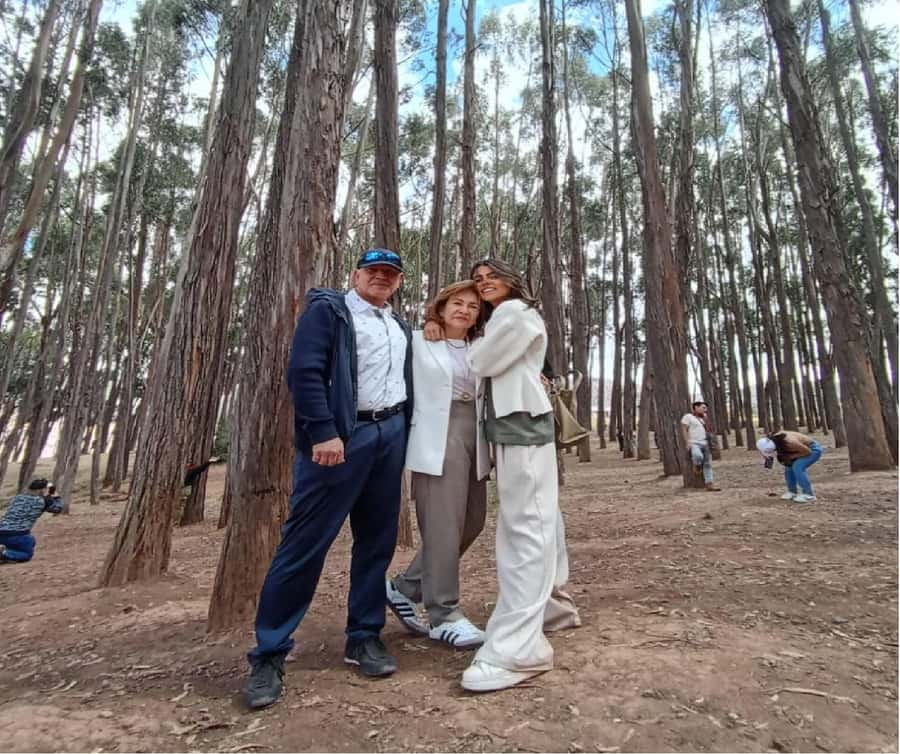
The route also includes the Qenqo eucalyptus forest. It offers a change of pace between archaeological stops and a chance for photographs. The inclusion is a small but practical touch: the day is not only stonework and explanations, and the forest gives you a different setting for a few minutes.
The listed visit time is around an hour and a half, though that figure may cover the stop and surrounding time in the schedule rather than a promise of a fixed amount at the ruins. If photography matters to you, the special morning option specifically mentions photography experiences. Ask what that means for your selected departure rather than assuming it is included in every version.
More history tours around Cusco:
- Machu Picchu Private Archaeological and Historical Guided Tour
★ 5.0 · 86 reviews - 6-Day Cultural Tour to Machu Picchu
★ 5.0 · 76 reviews - Cusco: Historic Walking Tour with Pisco Sour and Music Show
★ 4.6 · 65 reviews - Pisco Sour Secrets: Hands-On Mixology in Historic Cusco
★ 4.5 · 50 reviews
Puka Pukara: A lookout on the approach to Cusco
Puka Pukara is often called the Red Fortress, a name linked to the color of its stone. It served as a surveillance point above Cusco, where people could monitor access to the Inca city. That function gives the site a clear contrast with Qorikancha’s religious role and Qenqo’s ceremonial associations.
The high position also opens views across the Andean surroundings. Bring your camera, but take a moment to look beyond the frame too. This stop helps explain that the Inca sites were part of a connected system, not isolated monuments scattered at random.
The visit is listed as about an hour and a half, but, again, the full tour is about six hours including transport and all stops. Expect the guide to set the pace. If you are trying to see the sites independently, Puka Pukara is one of the places where the tour’s transport is especially useful.
Tambomachay: Water as the final chapter
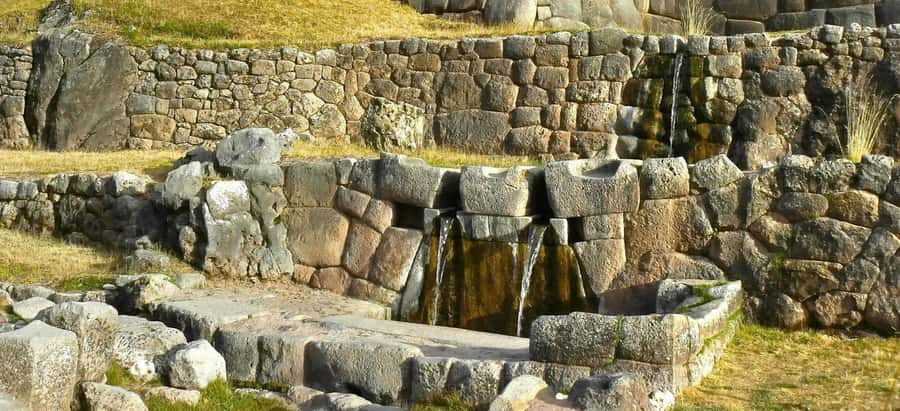
Tambomachay, often called the Temple of Water, is the last of the four Inca archaeological sites. Its fountains and water channels are the main attraction. After the fortress, ceremonial center, and lookout, this stop gives the route a different focus: the careful movement of water through an Inca site.
The water features make the place easy to appreciate even on a short visit. Your guide can add context to what you are seeing, while the setting provides a calmer finish to a busy circuit. The schedule lists roughly an hour and a half here, though exact time on site may depend on the group and the day’s timing.
For many people, Tambomachay is a satisfying final stop because it rounds out the route’s variety. You see stone engineering used for different purposes, from religious space to defense to water management.
Morning or afternoon: choose around your day
There are several versions of the tour, and the differences matter. One morning option starts at Qorikancha around 8:55 am and finishes near Cusco’s Plaza de Armas at about 2:30 pm. Another morning option picks you up at your hotel between about 8:35 and 9 am, then follows a similar route and ends near the main square.
Hotel pickup is optional and available for hotels close to Cusco’s main square. If your hotel is not in the pickup area, confirm the meeting point rather than assuming a door-to-door ride. The morning options may also include a cathedral visit, but the cathedral’s entry ticket costs 50 soles, and availability should be checked in advance.
The afternoon version meets at the entrance to the cathedral around noon and ends between 6 and 6:30 pm. It includes the four archaeological sites, but the provided inclusions do not list a guided Qorikancha visit for this option. The cathedral is listed for options two and three, subject to availability.
All versions include tourist transport between sites and a guide in English or Spanish. The tour ends near the main square, with Plateros Street named as a drop-off point for some departures. That is handy for heading to lunch or returning to your hotel in the center.
What the $23 price covers, and what it does not
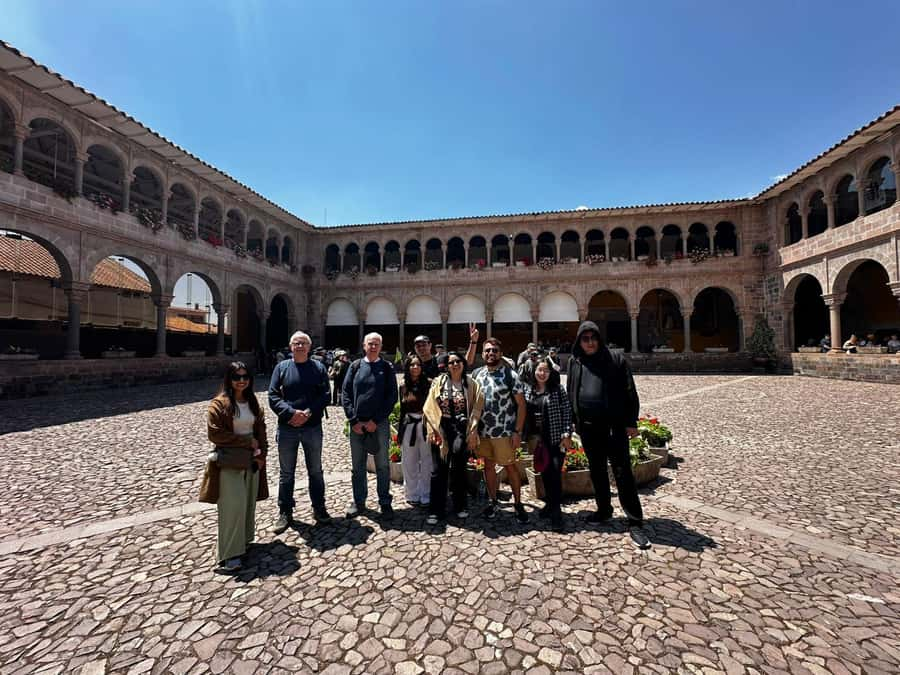
The base fare is attractive for a guided route with transport and several sites. It removes the need to arrange separate rides to Sacsayhuamán, Qenqo, Puka Pukara, and Tambomachay, while giving you someone to explain what you are looking at. That combination is the tour’s strongest value.
But the $23 is not the full day’s cost. Entry to the archaeological zones requires the Cusco Tourist Card, listed at 70 soles and available in person. You can buy it at Sacsayhuamán, and you need to show your passport. Children under nine can receive the card free, with a passport required.
Qorikancha admission is listed at 15 soles. The cathedral costs 50 soles if you choose a version that visits it and entry is available. Other costs are not included, so carry cash and check which stops are part of your selected option before you set out.
This is still a good-value outing if you want a guided overview and intend to visit the sites anyway. It is less compelling if you only want a ride to the ruins or hope the advertised price covers every entrance fee. Read the ticket details as part of your budget, not as an afterthought.
What makes the guide worth having
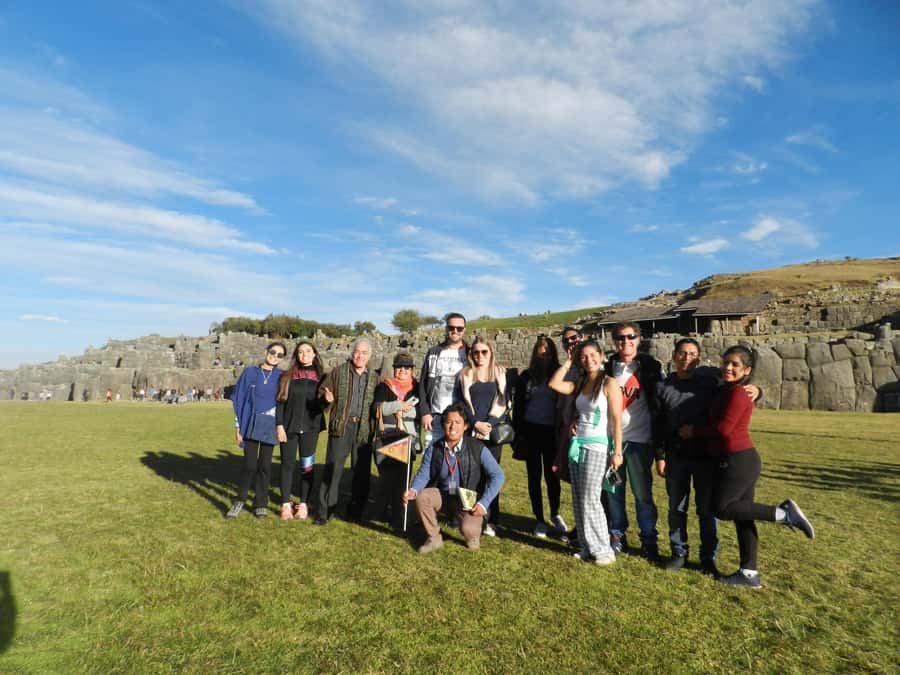
The guide can turn a series of stops into a coherent introduction to the Inca Empire. The strongest praise for this tour focuses on clear English, useful history, and explanations that connect archaeology with culture. Some guides have used pictures to support their explanations, and one guide was praised for comparing historical facts with myths without mixing the two up.
Names mentioned by past groups include Luis, Alfredo, Hyame, and Romulo. Luis was praised for detailed explanations in both English and Spanish and for making room for questions and photos. Alfredo was noted for switching between languages, while Hyame helped a visitor understand the sites during a short stop in Cusco before a trek. These are examples of guides who have led the experience, not a guarantee of who will lead your departure.
A bilingual guide can be particularly helpful if your group includes both English and Spanish speakers. The tour lists both languages, but it is sensible to confirm your preferred language when booking. A clear explanation matters here: several sites have names, purposes, and histories that are easy to blur together if you move quickly.
Practical preparation for a high-altitude day
Wear comfortable shoes, bring water, sunscreen, and a camera, and pack rain gear. The tour visits outdoor sites above the city, and conditions can change. Cash is useful for entry fees and other costs not included in the tour.
Bring your passport or ID. The tourist card requires a passport, and children under nine also need one to receive the free card. Keep your documents secure and accessible rather than buried at the bottom of a bag.
Hotel pickup is offered only for hotels close to the main square, and the tour is not suitable for people over 95. Bikes, alcohol, drugs, explosive substances, and alcoholic drinks in the vehicle are not allowed. Cancellation is free up to 24 hours before departure, and a reserve-now, pay-later option is available.
Should you book this Cusco city tour?
Book it if you want a guided, transport-assisted introduction to Qorikancha and four Inca sites in about six hours. It is especially useful when your time in Cusco is short, when you are still finding your bearings, or when walking between the outlying sites would be a poor use of your energy.
Skip it if you want to spend long stretches at each ruin, or if you prefer to explore without a group schedule. Before paying, confirm which version you are booking, whether it includes Qorikancha or the cathedral, where you meet, and the extra admission costs. If those details fit your plans, this is a practical way to see more of Cusco than the central streets alone.
FAQ
How long is the tour?
The tour lasts about six hours. Morning departures finish around 2:30 pm, while the afternoon option ends between 6 and 6:30 pm.
Which Inca sites are included?
The route visits Sacsayhuamán, Qenqo, Puka Pukara, and Tambomachay. Qorikancha is included in the first two morning options, so check the details of your selected departure.
Is hotel pickup included?
Hotel pickup is available for the morning options at hotels close to Cusco’s main square. The afternoon option meets near the entrance to the cathedral.
Are entrance tickets included in the $23 price?
No. The archaeological sites require a Cusco Tourist Card listed at 70 soles. Qorikancha admission is 15 soles, and the cathedral costs 50 soles if you visit.
What languages are available?
The live guide is available in English or Spanish. Confirm your preferred language when booking.
What should I bring?
Bring your passport or ID, comfortable shoes, a camera, sunscreen, water, rain gear, and cash.
Just added around Cusco
- Zipline over the Sacred Valley Trip★ 5.0 · 11 reviews
- Visit Pisac from Cusco: Private Transport★ 4.6 · 9 reviews
- TRIP FROM PUNO TO CUSCO WITH THE ROUTE OF THE SUN★ 4.7 · 16 reviews
- Vinicunca Mountain Tour – Full Day Tour to Rainbow Mountain★ 3.4 · 4 reviews
- Valle Sur Cusco | half day★ 4.3 · 3 reviews
- Trek to Humantay Lake from Cusco★ 4.9 · 8 reviews
- Trek to Choquequirao 4 days★ 3.8 · 4 reviews
- 2 Day – Short Inca Trail to Machu Picchu – Group Service★ 5.0 · 30 reviews
Cusco City Tours, compared.
Half-Day City Tour with Sacsayhuaman and Q’enco
Read our review →
City Tour Cusco Qoricancha Sacsayhuaman y Tambomachay
Read our review →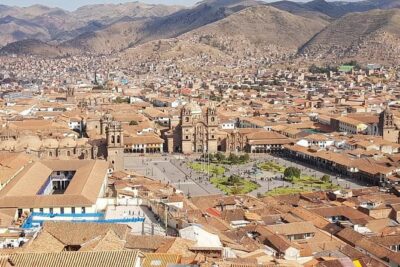
City Tour | Half-Day Tour to 4 Archaeological Sites
Read our review →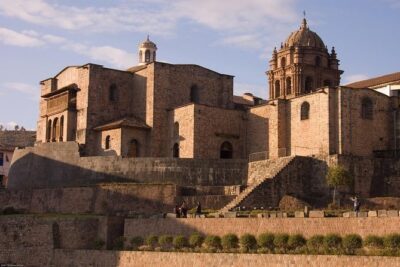
City Tour in Cusco & visit Museum South American Camelid Private.
Read our review →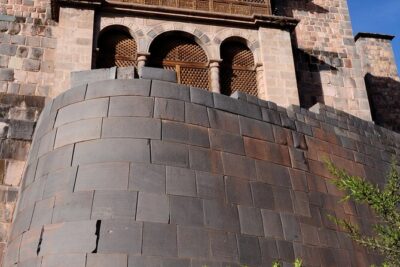
Cusco City Sightseeing, San Pedro Market, Cathedral and Qorikancha Temple
Read our review →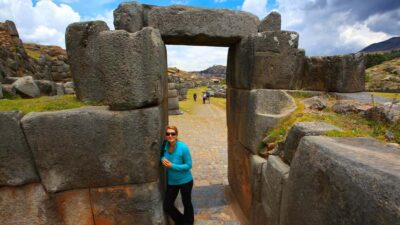
Browse the lists this tour appears in