
Reviewed · CUSCO CITY TOURS
City Tour Cusco
Cusco’s story is written in stone, and this tour gives you a quick read of several important chapters in one half-day. You begin at Qorikancha, where Inca masonry meets Spanish colonial construction, then head to four archaeological sites beyond the city center.
I like the contrast between Qorikancha’s layered architecture and the imposing walls at Saqsayhuamán. I also like that the route includes less familiar stops, especially Q’enqo’s rock-cut chambers and Tambomachay’s fountains, rather than treating Cusco as only a city-center stroll.
The main consideration is the extra cost: site admissions are not included in the $32 tour price. The five-hour schedule also covers several places, so expect a brisk introduction rather than long, unhurried visits.
- Five distinct stops: Qorikancha, Saqsayhuamán, Q’enqo, Puka Pukara, and Tambomachay.
- A clear architectural contrast: See Inca stonework alongside Spanish colonial construction at Qorikancha.
- Transport included: The tour provides transportation from the Plaza de Armas and back.
- Small group limit: The tour is capped at 12 people.
- Admission costs extra: Budget for the listed $25 archaeological ticket and $7 Qorikancha entrance.
- Guides named by the operator’s clients: Jhonny, Victor, Saul, and Jorge have each been praised for lively explanations and attentive guiding.
A five-stop introduction to Cusco
This is a practical orientation tour for a first day in Cusco, or for anyone who wants to connect the city’s architecture with the Inca sites beyond its center. In about five hours, you get a guided look at a temple, a major fortress, a ritual site, another fortified complex, and a ceremonial water site.
The variety is the appeal. Instead of spending the entire outing at one large archaeological complex, you move through places with different purposes and settings. That gives you a useful sense of how Inca religious life, engineering, defense, and ceremony are represented around Cusco.
The trade-off is depth. Each stop is listed as roughly an hour, while the Qorikancha tour is described as about 45 minutes, and the full outing lasts approximately five hours. The schedule includes transport between sites, so the actual time at each place may feel shorter than a full hour. If you prefer to linger, sketch, or examine every detail at your own pace, consider setting aside another day for a longer visit to one or more sites.
Qorikancha: Inca stonework meets colonial walls
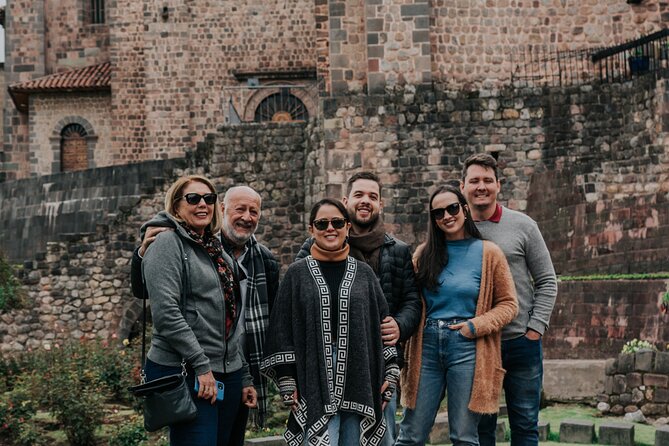
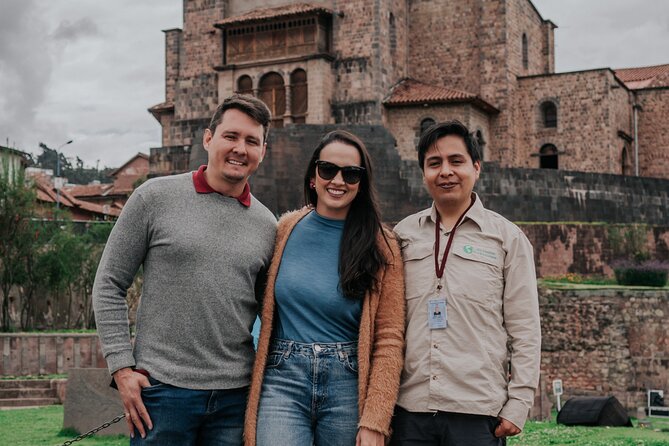
The tour begins at Qorikancha, also known as the Temple of the Sun. Its particular value is the visible meeting of two eras: Inca construction and Spanish colonial architecture share the same site, making this a strong first stop for understanding Cusco’s layered past.
A guide helps you read the building rather than simply pass through it. You can expect an explanation of the place’s religious and cultural importance, as well as time to look closely at how the different architectural traditions sit together. The guided visit is described as about 45 minutes, although the stop is listed as one hour.
Qorikancha has a separate entrance fee of $7, not included in the tour price. That is worth factoring in before you book, especially if you are comparing the $32 headline price with the full cost of the outing. The group then travels by vehicle to Saqsayhuamán.
More Cusco city tours around Cusco:
- Cusco: Half-Day City Tour with Sacsayhuaman and Q’enco
★ 4.6 · 1,129 reviews - City Tour Cusco Qoricancha Sacsayhuaman y Tambomachay
★ 4.7 · 617 reviews - Open Bus Cusco City Tour
★ 4.5 · 219 reviews
Saqsayhuamán: walls built on a monumental scale
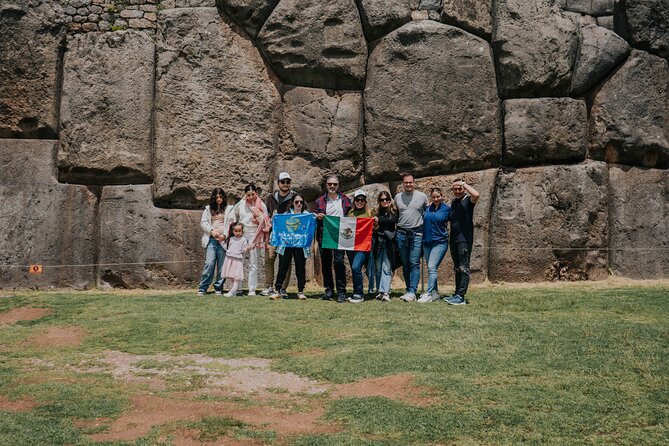
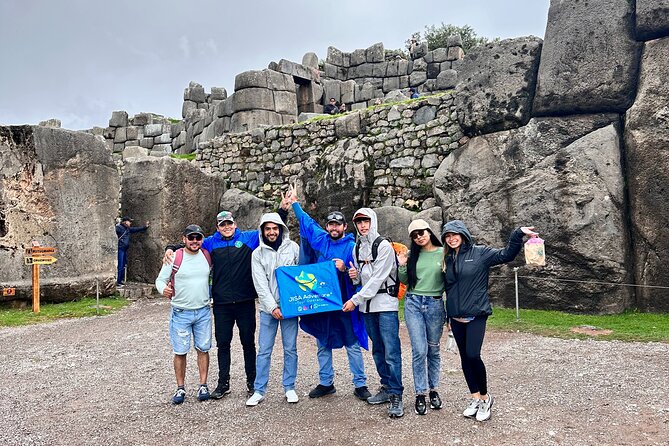
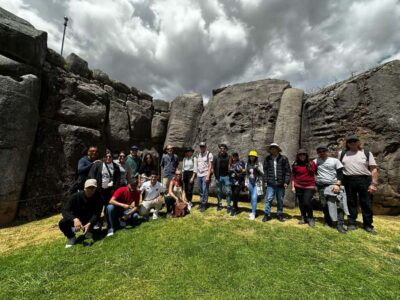
About 20 minutes after leaving Qorikancha, you reach Saqsayhuamán, an Inca fortress known for its huge carved stones and imposing walls. The scale is a major part of the experience: this is where the tour shifts from a building in the city to a broad archaeological site that makes Inca stone construction easier to appreciate.
The guide’s explanation is useful here. You will hear about construction techniques and the site’s historical and ceremonial role, which gives you more to look for than size alone. The stones and walls are the visual draw, but the context helps you consider the skill behind the work and the place Saqsayhuamán held in Inca life.
The stop is listed at an hour, with admission not included. It is one of four archaeological sites on the route covered by the stated $25 partial ticket for archaeological centers. Confirm the ticket details when arranging your visit, since the tour price does not include it.
Q’enqo: a ritual place shaped into rock
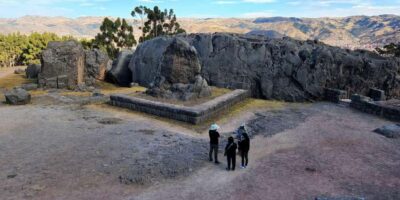
Q’enqo offers a change of mood and form. Set on a rocky outcrop, it is described as a ritual center with underground chambers and altars carved into the stone. Rather than looking only at walls built up from blocks, you encounter a site whose features are cut into the rock itself.
The guide can explain how rituals and Inca ideas about the world are associated with this place. That context matters because the chambers and altars may not explain their purpose on sight. I like that Q’enqo adds a different kind of stop to the day: it is not simply another fortress or set of monumental walls.
You are scheduled for about an hour here, though the pace of the overall tour means you should expect a guided overview, not an extended independent visit. Admission is not included and falls under the listed archaeological ticket.
Puka Pukara: a fortress with a strategic role
After about 15 minutes in the vehicle, the route reaches Puka Pukara, described as a military fortress. Its reddish construction gives it a visual identity distinct from the other stops, while the guide focuses on its defensive and strategic function during the Inca Empire.
This is a good place to listen for how the sites fit together. Puka Pukara is not presented only as an attractive structure; the tour frames it as part of the practical organization of Inca power. That makes it a useful counterpoint to Qorikancha and Q’enqo, where religious and ceremonial themes take the lead.
The stop is listed at an hour, with entry included in the same $25 archaeological ticket described for the route. If you are especially interested in military architecture, you may wish the schedule allowed more time here. For a broad overview, the visit adds another perspective without requiring you to arrange transport between sites yourself.
More Cusco tours around Cusco:
- Cusco: Humantay Lake Tour with Breakfast and Buffet Lunch
★ 4.9 · 2,976 reviews - From Cusco: Sacred Valley & Maras Salt Mines Tour with Lunch
★ 4.8 · 2,227 reviews - From Cusco: Moray, Maras Salt Mines & Chinchero Weavers Tour
★ 4.8 · 1,925 reviews - From Cusco: Full-Day Group Tour of Machu Picchu
★ 4.7 · 1,767 reviews
Tambomachay: water channels and ceremony
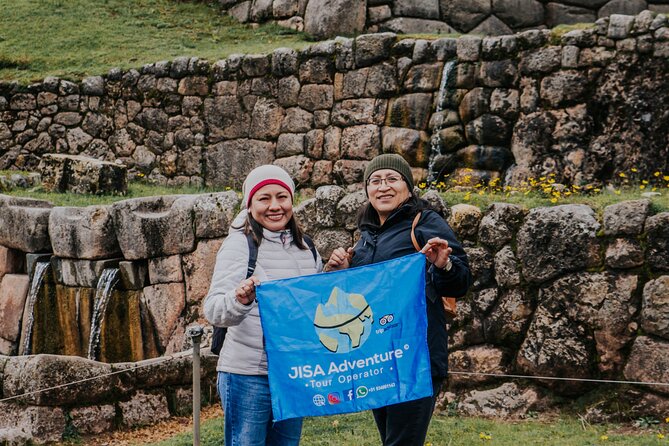
Tambomachay is the final archaeological stop. Known as the Baño del Inca, it is associated with ceremonies and the worship of water. Its stone fountains and canals give you a close look at Inca hydraulic engineering, and the setting provides a fitting final contrast to the fortress walls earlier in the day.
The guide can point out the channels and fountains and explain their ceremonial significance. This is a stop where careful observation pays off: the interest lies not just in the water features themselves, but in the way stonework and water are brought together. You have about an hour scheduled before the vehicle returns to Cusco.
As with the other archaeological centers, admission is not included in the tour price. After Tambomachay, transportation takes you back to the Plaza de Armas, the same central meeting point where the outing began.
Guides, group size, and the value of the outing
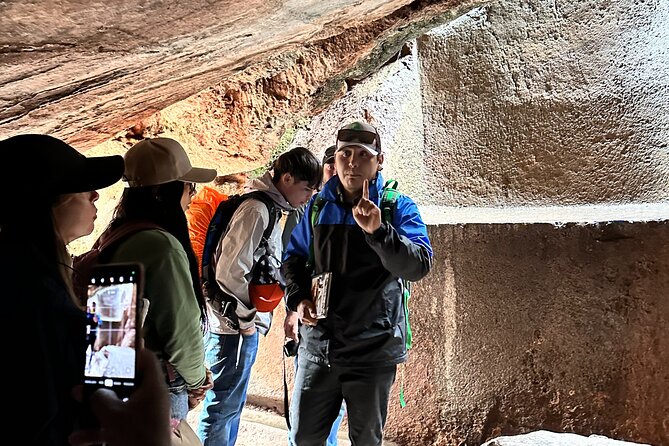
Guiding is a large part of what makes a multi-stop tour worthwhile. Guides named by people who have taken outings with Jisa Adventure include Jhonny, Victor, Saul, and Jorge. Jhonny has been associated with lively, clear explanations and a friendly manner; Victor with strong historical explanations and time for photographs; and Saul with an informative first-day introduction. The specific guide for your departure is not guaranteed by the details provided.
The tour is capped at 12 people, a useful limit for listening to explanations and staying together at each site. Transportation is included and described as private. That saves you from arranging separate rides between the outlying stops, though you should confirm how the transport is organized if the exact vehicle arrangement matters to you.
At $32 per person, the base price is reasonable for a five-hour guided route with transport across several sites. But it is not the full amount you should budget. The listed archaeological ticket costs $25, and Qorikancha admission costs $7, bringing the stated total to about $64 per person before tips, assuming both fees apply to you. Tips are optional and not included.
An oxygen ball is also included. The tour information does not specify how or when it is used, so treat it as an included item rather than a substitute for planning around your own needs.
Who will get the most from this tour
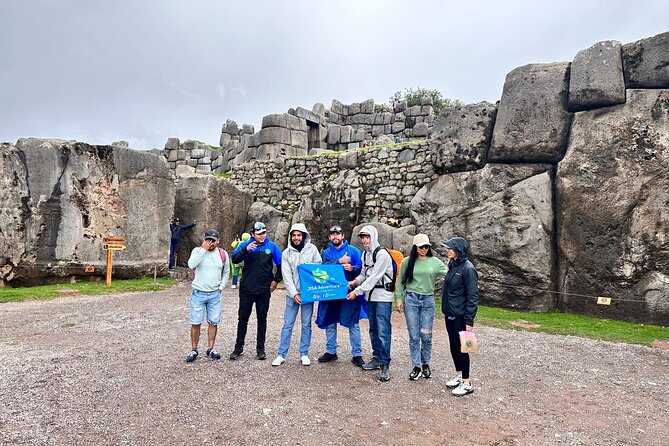
This tour suits you if you want a guided first look at Cusco’s major Inca sites without organizing transport yourself. It is especially useful early in a visit, when the explanations can help you make sense of what you see at other archaeological places around the region.
It also works for anyone with limited time who wants a broad sample of architecture, ritual spaces, fortifications, and water engineering in one outing. The guide-led format is a good fit if you prefer historical context to exploring each site without an explanation. The maximum group size of 12 keeps the experience from becoming a very large coach outing.
You may want a different plan if your priority is unhurried photography or extensive time at one site. One participant specifically appreciated having time to take pictures with Victor, but that does not guarantee the same pace or guide on every departure. The five-hour format and five stops make this an overview, even if the guide adjusts the rhythm for the group.
Practical details before you book
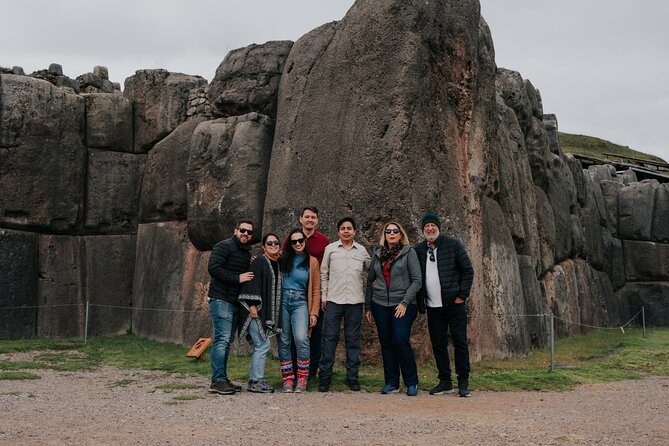
The meeting point is Plaza de Armas in Cusco, and the tour returns there at the end. The activity is listed as running Monday through Sunday, with hours shown as midnight to 6 p.m.; because that window is broad, check the departure time offered when you book rather than assuming a specific start.
Confirmation is provided at booking. The activity is described as suitable for most people and located near public transportation. Its cancellation terms are strict: the experience is non-refundable and cannot be changed, so check your date and plans carefully before paying.
Should you book the Cusco City Tour?
Book this if you want a compact, guided introduction to five important places, value transport between the city and nearby archaeological sites, and are comfortable paying the admission fees separately. The strongest reason to go is the range: Qorikancha’s Inca and colonial architecture, Saqsayhuamán’s stone walls, Q’enqo’s carved ritual spaces, Puka Pukara’s defensive role, and Tambomachay’s waterworks all fit into one outing.
Skip it if you want to spend a half-day at a single site or set your own pace at every stop. For most first-time visitors with a limited schedule, though, the tour offers a useful framework for understanding Cusco, provided you budget for admissions and keep expectations realistic about the time available at each location.
FAQ
How long is the City Tour Cusco?
The tour lasts approximately five hours.
Where does the tour start?
It starts at Plaza de Armas in Cusco.
Where does the tour end?
It ends back at the meeting point, Plaza de Armas.
Which places does the tour visit?
The stops are Qorikancha, Saqsayhuamán, Q’enqo, Puka Pukara, and Tambomachay.
Is transportation included?
Yes. Private transportation is included, and the tour returns you to the meeting point.
Are admission tickets included in the $32 price?
No. The listed additional costs are $25 for the partial ticket covering archaeological centers and $7 for Qorikancha.
Is the tour suitable for most people?
The activity information says most people can participate.
How many people can join?
The maximum group size is 12 travelers.
Is a guide included?
Yes. An official tourism guide is included.
Can I cancel or change my booking for a refund?
No. The experience is non-refundable and cannot be changed for any reason.
Just added around Cusco
- Zipline over the Sacred Valley Trip★ 5.0 · 11 reviews
- Visit Pisac from Cusco: Private Transport★ 4.6 · 9 reviews
- TRIP FROM PUNO TO CUSCO WITH THE ROUTE OF THE SUN★ 4.7 · 16 reviews
- Vinicunca Mountain Tour – Full Day Tour to Rainbow Mountain★ 3.4 · 4 reviews
- Valle Sur Cusco | half day★ 4.3 · 3 reviews
- Trek to Choquequirao 4 days★ 3.8 · 4 reviews
- Trek to Humantay Lake from Cusco★ 4.9 · 8 reviews
- Exclusive Huayna Picchu Tour in 1 Day from Cusco★ 5.0 · 31 reviews
Cusco City Tours, compared.
Half-Day City Tour with Sacsayhuaman and Q’enco
Read our review →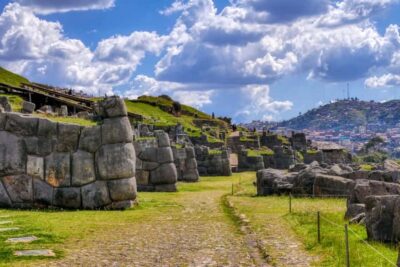
City Tour Cusco Qoricancha Sacsayhuaman y Tambomachay
Read our review →
City Tour | Half-Day Tour to 4 Archaeological Sites
Read our review →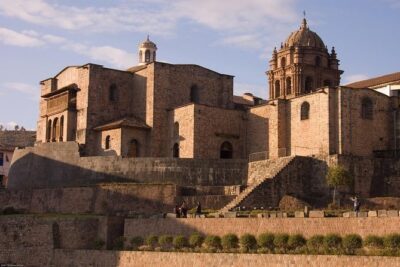
City Tour in Cusco & visit Museum South American Camelid Private.
Read our review →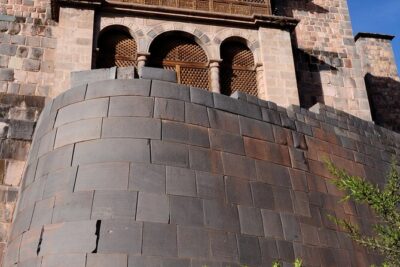
Cusco City Sightseeing, San Pedro Market, Cathedral and Qorikancha Temple
Read our review →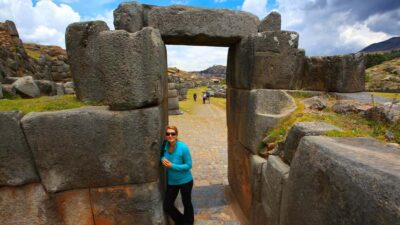
Browse the lists this tour appears in