
Reviewed · MARAS AND MORAY TOURS
From Cusco: Moray, Maras, and Salt Mines Half-Day Tour
Moray’s broad rings of terraces and the Salineras salt pools make this a striking way to spend a day beyond Cusco. You’ll see how people shaped the land for farming, then visit a salt-making site that has been used since pre-Incan times.
I like the mix of living Quechua weaving traditions and remarkable Inca-era engineering, and I like that the tour also includes Maras, with its preserved colonial stone buildings. One thing to plan for: the tour reaches high elevations, and the walking route is not suitable for people with mobility impairments or wheelchair users.
Quick points before you go
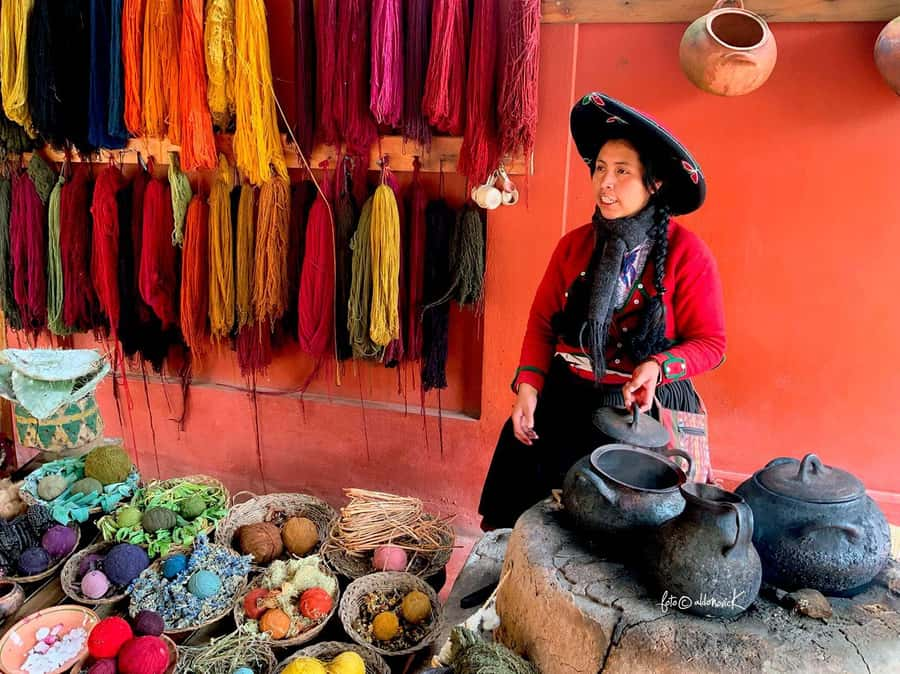
- Chinchero sits at 3,762 meters: Visit a weaving workshop where artisans use natural plants to make dyes for Andean textiles.
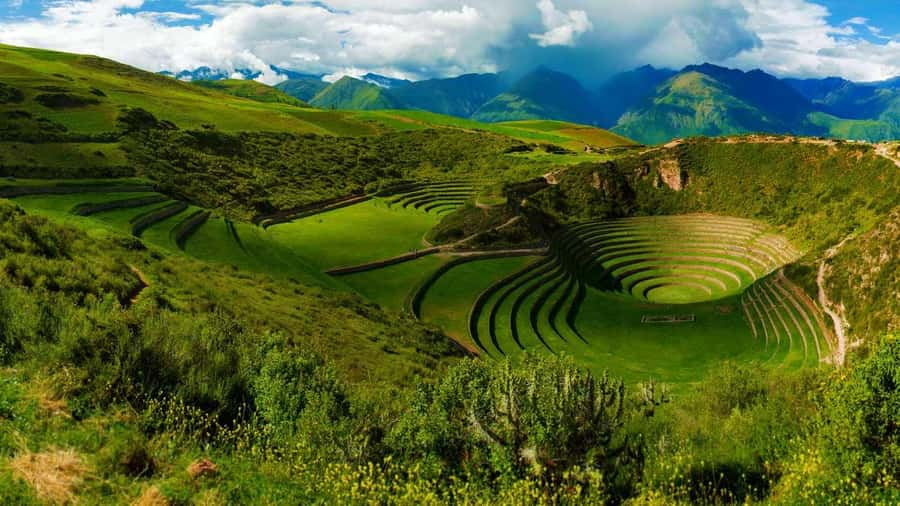
- Moray is more than a photo stop: See its terraced formations and irrigation system at 3,450 meters.
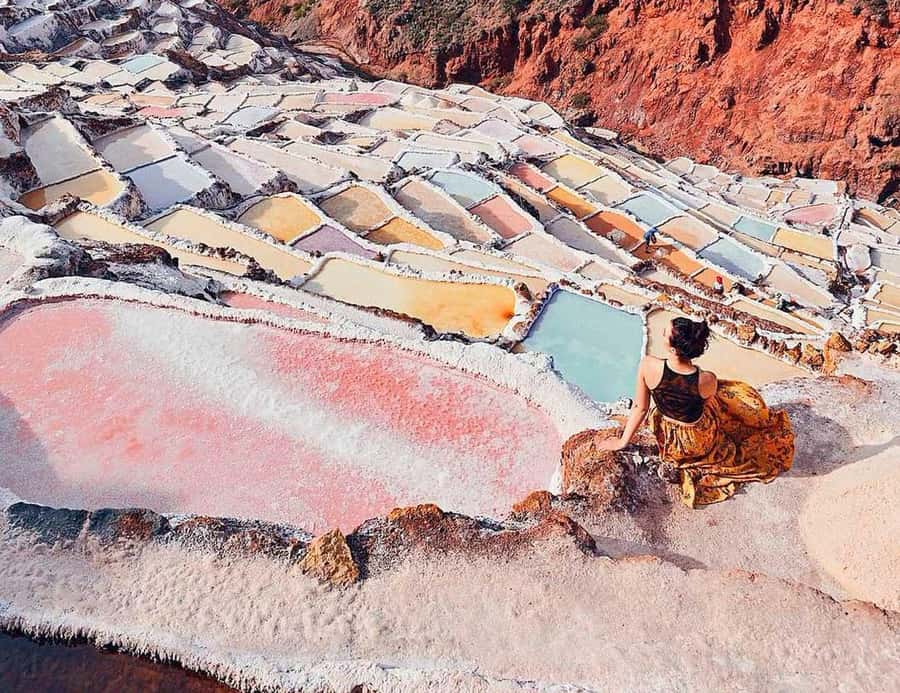
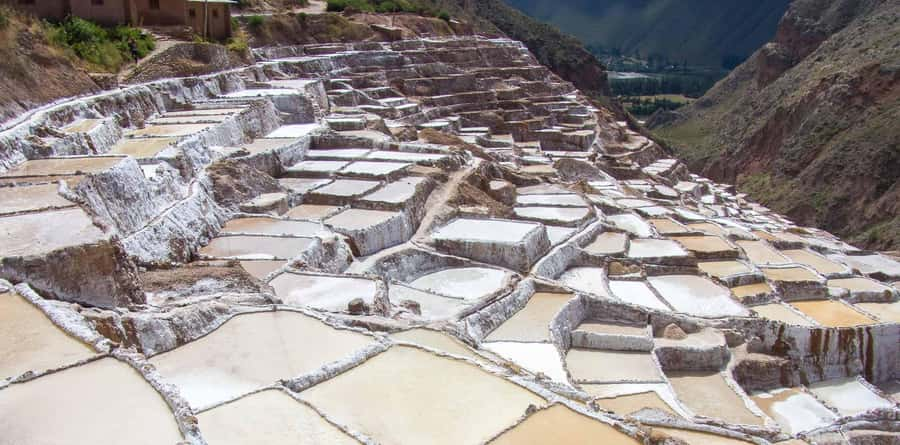
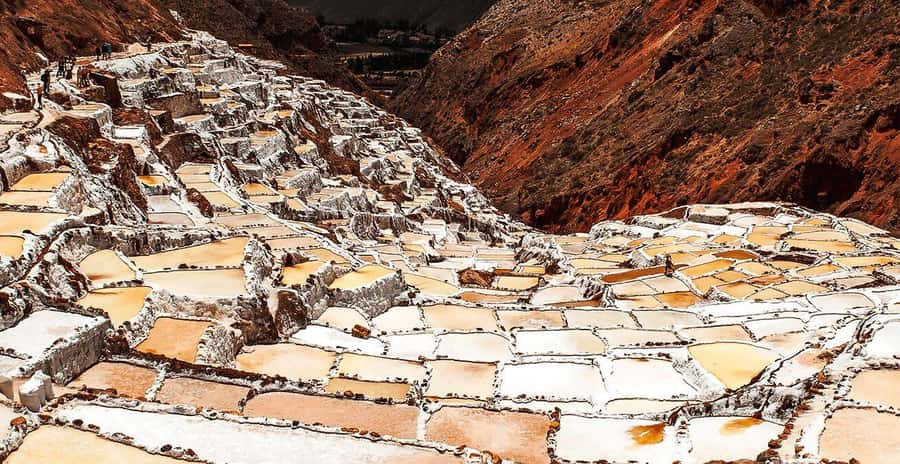
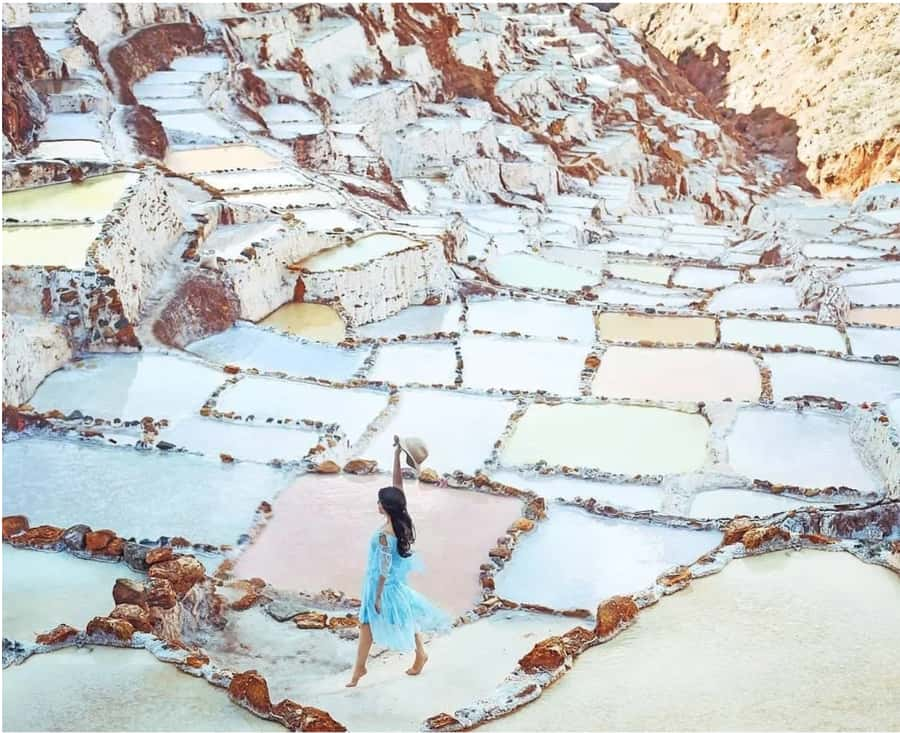
- Salineras has about 3,000 small pools: Salt is still produced there and processed for distribution in the region.
- Maras adds colonial-era architecture: The village is known for preserved buildings and fine stonework.
- The advertised price is $15 per person: Budget separately for the Moray and salt mine entrance fees, listed as 70 and 20 soles.
- The tour lasts six hours: It includes hotel pickup in Cusco, but the stated return point is Plaza Regocijo.
A day trip shaped by farming and salt
This half-day tour covers several sides of the Sacred Valley in one outing. You travel from Cusco to Chinchero, Moray, Maras, and the Salineras salt mines, with a guide speaking Spanish or English. The appeal is the contrast: a village workshop, monumental terraces, colonial stone buildings, and a working salt site all belong to the same day.
The itinerary’s stated transfer legs are by van, including a 50-minute drive to Chinchero and another 50-minute drive to Moray. It lists 40 minutes at Chinchero and 40 minutes at Moray. It does not give separate visit times for Maras or the salt mines, so ask the operator how the six-hour schedule is divided if time at each stop matters to you.
The tour begins at Plaza Regocijo, and hotel pickup in Cusco is included. The listed return point is also Plaza Regocijo, so confirm the pickup and drop-off details when arranging your day. That small check helps avoid a last-minute puzzle about where to meet the van.
More Maras and Moray tours around Chinchero:
- From Cusco: Moray, Maras Salt Mines & Chinchero Weavers Tour
★ 4.8 · 1,925 reviews - Cusco:Chinchero,Moray & Salt Mines drop-off in Ollantaytambo
★ 4.8 · 793 reviews - Sacred Valley: Chinchero, Moray, Ollantaytambo & Pisac+Lunch
★ 4.8 · 501 reviews
Chinchero: textiles, color, and high-altitude air
Chinchero stands at 3,762 meters above sea level, higher than Moray and Cusco. The altitude can make even a short walk feel more effortful, so keep your pace steady and drink water. Comfortable shoes and sunscreen are on the recommended packing list, and both are sensible choices for the day.
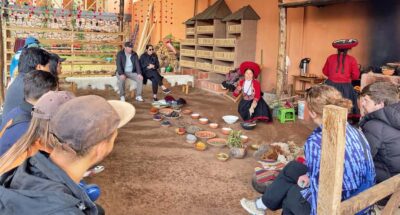
The workshop is a chance to see Quechua textile traditions at work. Local artisans use plants to extract natural colors for their Andean art. That detail makes the stop more than a chance to browse finished textiles: it gives you a look at one part of the process behind the colors and patterns.
The scheduled stop is 40 minutes, including a photo stop and shopping. That is enough time for an introduction and a look around, but it may feel brief if you want to ask many questions or spend a long time choosing a textile. If the workshop interests you most, make that clear to your guide and use the available time thoughtfully.
Chinchero is also described as a place of idyllic farmland. You get a glimpse of the agricultural setting that gives context to the valley’s terraces and irrigation works later in the day. Keep your camera ready, but don’t let taking pictures take over the visit.
Moray: terraces built for growing things
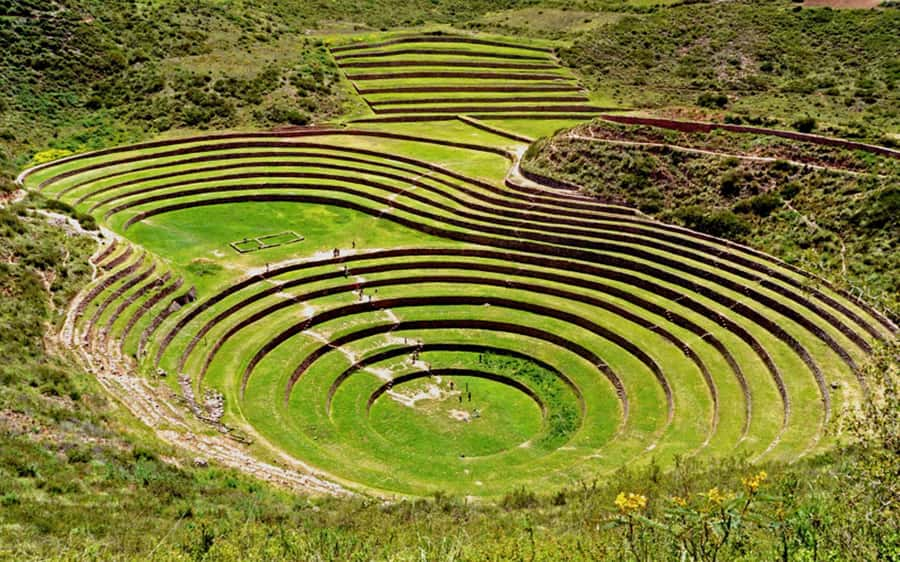
Moray sits at 3,450 meters. Its terraces form a striking series of stepped rings, with an irrigation system that points to careful planning and practical knowledge of farming. The shape is unusual, but the point of the stop is not just its appearance: you can see how people altered the land to make cultivation possible.
The tour allows 40 minutes at Moray for a visit, guided tour, and photos. That is a useful amount of time for a focused introduction, though not a long, unhurried exploration. Follow your guide’s explanation of the terraces and irrigation, since those details help turn a scenic stop into a more meaningful one.
An entrance ticket to Moray is not included. It costs 70 soles and can be purchased on site, so have a plan for paying the fee before you arrive. The tour price looks low at $15, but the extra entry costs are part of the real cost of the day.
Maras: colonial stonework along the route
Maras brings a different kind of history into the outing. Rather than terraces or textile making, the focus here is the village’s preserved colonial architecture and fine stone buildings. It is a useful change of pace, giving you a look at the built character of the area between the agricultural sites.
The available schedule does not state how long you’ll spend in Maras or describe a separate guided visit there. Treat it as a stop within the larger route, rather than assuming you’ll have a long walk through the village. If you want more time for architecture or photographs, ask the operator about the day’s timing before booking.
Maras is also where you can buy the salt mine entrance ticket, listed at 20 soles. Keep this separate from the Moray fee when working out your budget. Food and drinks are not included, so bring water and any snacks you need for a six-hour outing.
More half-day tours around Chinchero:
- From Cusco: Moray, Maras Salt Mines & Chinchero Weavers Half-Day
★ 5.0 · 126 reviews - Cusco: Half-Day City Tour with Sacsayhuaman and Q’enco
★ 4.6 · 1,129 reviews - Cusco: City Tour | Half-Day Tour to 4 Archaeological Sites
★ 4.6 · 206 reviews - Cusco: Half-Day City Tour
★ 4.2 · 129 reviews
Salineras: thousands of working salt pools
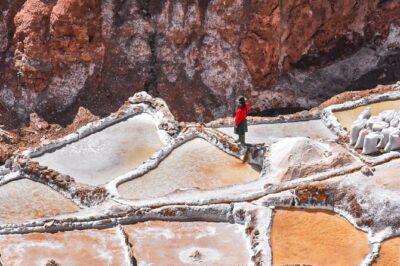
The Salineras salt mines are the day’s most unusual stop. About 3,000 small pools make up the site, which dates to pre-Incan times. Salt is still produced there, then processed and distributed in the region. This is not simply a relic preserved for photographs; the site remains part of local production.
The many small pools create a striking view, and the scale makes the operation easier to understand than a brief description could. You can see the link between a long-used method and a product still made for regional use. The salt mine ticket is not included, and the listed cost is 20 soles, payable in Maras.
The tour description includes exploration of the salt mines, but it does not give a specific amount of time for the visit. That matters if you are comparing this outing with a tour that promises a longer stop. Ask how much time is set aside, especially if Salineras is your main reason for booking.
The $15 price, plus the costs to count
At $15 per person, the tour is an inexpensive way to connect several Sacred Valley sights with transport and a live guide. Hotel pickup is included, as are visits to the Chinchero weaving workshop, Moray, and the salt mines. For anyone short on time or reluctant to arrange multiple transfers alone, that can represent good value.
The base price is not the full day’s cost. The Moray ticket is 70 soles, the salt mine ticket is 20 soles, and food and drinks are extra. Add those charges to your budget before comparing this tour with alternatives. The information does not state whether any other site fees apply, so confirm the total expected cost with the provider.
A guide is available in Spanish or English, which helps make the workshop and archaeological stop more than a sequence of photo opportunities. The experience does not provide a guide’s name, so you cannot select a particular guide in advance based on the details available.
What to bring and who will enjoy it
Bring comfortable shoes, a camera, sunscreen, and water. The route includes several stops and high-altitude sites, so shoes you can walk in comfortably are more useful than footwear chosen only for photos. Smoking is not allowed.
This tour suits you if you want a compact introduction to several Sacred Valley sights and are comfortable with a full six-hour outing. It is particularly appealing if you care about textiles, farming, historic architecture, or traditional salt production, rather than wanting to spend the whole day at one major site.
The high elevations and stated mobility limits are important. The tour is not suitable for wheelchair users or people with mobility impairments. If you are sensitive to altitude or need a slower pace, consider whether the schedule and walking involved are right for you.
Should you book this Moray and salt mines tour?
Book it if you want a budget-friendly route from Cusco that combines a Quechua weaving workshop, Moray’s terraces, Maras’s stone buildings, and the working salt pools of Salineras. The range of stops gives you a good sense of how cultural traditions, farming, and local production fit together in this part of the Sacred Valley.
Think twice if you want long, unhurried visits at each site, need step-free access, or prefer a tour with every stop’s timing and total admission cost clearly spelled out. Before you reserve, confirm the pickup arrangements, the time allocated to Maras and Salineras, and how you will pay the entry fees. If those details suit you, this is a practical way to see a lot beyond Cusco in six hours.
FAQ
How long is the tour?
The tour lasts six hours.
What places does the tour visit?
It visits Chinchero, Moray, the village of Maras, and the Salineras salt mines.
Where does the tour start and end?
The listed starting and return point is Plaza Regocijo. Hotel pickup in Cusco is included, so confirm the specific pickup arrangement with the provider.
What languages does the guide speak?
The live guide is available in Spanish and English.
How much does the tour cost?
The listed price is $15 per person. Entrance tickets, food, and drinks are not included.
How much is the Moray entrance ticket?
The Moray ticket costs 70 soles and can be purchased on site.
How much is the salt mine entrance ticket?
The salt mine ticket costs 20 soles and can be purchased in Maras.
Is food included?
No. Food and drinks are not included.
What should I bring?
Bring comfortable shoes, a camera, sunscreen, and water.
Is the tour suitable for wheelchair users?
No. The tour is not suitable for wheelchair users or people with mobility impairments.
Just added around Chinchero
- Private Tour Sacred Valley, Chinchero, Maras Moray, Ollantaytambo★ 5.0 · 29 reviews
- From Cusco: Chinchero, Moray, Maras, Ollantaytambo, Pisaq★ 4.9 · 20 reviews
- Pisaq, Ollantaytambo, Chinchero – Sacred Valley Experience★ 5.0 · 6 reviews
- Sacred Valley: Ollantaytambo, Chinchero And Yucay With Lunch★ 4.5 · 16 reviews
- From Ollantaytambo: Moray, Maras, and Chinchero Guided Tour★ 4.5 · 11 reviews
- From Cusco:Chinchero, Moray, Maras, Ollantaytambo with lunch★ 5.0 · 3 reviews
- Machu Picchu: Chinchero, Maras, Moray & Machu Picchu 2 days★ 4.8 · 5 reviews
- From Cusco: Chinchero Weavers, Moray, Maras Salt Mines Tour★ 5.0 · 3 reviews
Maras and Moray Tours, compared.
Sacred Valley & Maras Salt Mines Tour with Lunch
Read our review →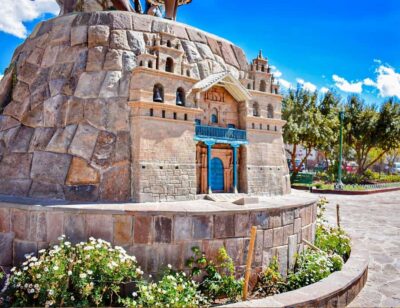
Moray, Maras Salt Mines & Chinchero Weavers Tour
Read our review →
Sacred Valley, Pisac, Ollantaytambo, Salt Mines Moray
Read our review →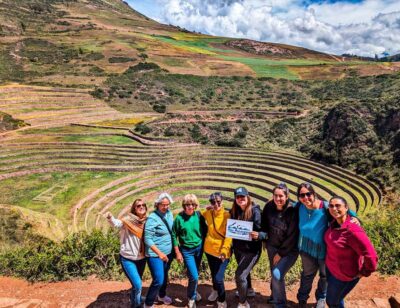
Chinchero,Moray & Salt Mines drop-off in Ollantaytambo
Read our review →

Moray, Maras Salt Mines & Chinchero Weavers Half-Day
Read our review →Browse the lists this tour appears in