
Reviewed · MARAS AND MORAY TOURS
Sacred Valley VIP Tour with Maras and Moray from Cusco
Moray’s vast circular terraces and Maras’s small salt ponds give this day its most unusual sights, but the real draw is seeing them alongside the Sacred Valley’s Inca towns and market life. From Cusco, this route covers a lot of ground in roughly 11 hours.
I like the range: you get archaeological sites, a salt-making operation, and textile and craft markets in one trip. I also like that group transport and a buffet lunch are included, which saves you from arranging every leg and meal yourself.
The trade-off is pace. Six stops fit into one day, so time at each is limited, and entrance fees are extra. The tour is advertised as bilingual, but explanations may be longer in Spanish, which matters if you rely on the English commentary.
At a glance
- Six stops in one day: Chinchero, Moray, Maras, Ollantaytambo, Urubamba, and Pisac.
- A long, structured outing: Expect about 11 hours, with a 7:00 am start and a return to the Cusco meeting point.
- Lunch is included: The meal stop is in Urubamba, with a buffet lunch.
- Site tickets cost extra: The archaeological entrance ticket and Maras salt-pond admission are not included.
- Small group limit: The tour has a maximum of 18 people.
- Check the pickup details: The listed meeting point is Plaza Regocijo, though hotel pickup and drop-off are also advertised.
Six Sacred Valley stops, one full day

This is an ambitious route, not a slow visit to one or two major sites. You go from Cusco to Chinchero, then onward to Moray and the Maras salt ponds, before continuing through Ollantaytambo and Urubamba to Pisac. The stops are short, generally 30 to 50 minutes, with about 40 minutes set aside for lunch.
That format suits you if you have only a day and want a broad introduction to the valley. You get a sense of how varied the region is: Inca architecture, colonial buildings, agricultural terraces, salt production, modern village life, and local crafts. The compromise is that you will not have much time to linger, shop at length, or explore any site at your own speed.
The group size is capped at 18, which is modest for a shared bus tour. Still, the schedule depends on keeping the group moving. If you prefer long, quiet visits or want to study every section of a large archaeological site, a less packed itinerary may fit you better.
Chinchero’s market and Inca foundations
Chinchero sits about 28 kilometres from Cusco, along the road toward Urubamba. Its history is layered: the village includes remains associated with the royal estate of Tupac Inca Yupanqui and a colonial temple built on Inca foundations. That combination makes the stop a useful introduction to how older Andean structures and later Spanish-era buildings occupy the same place.
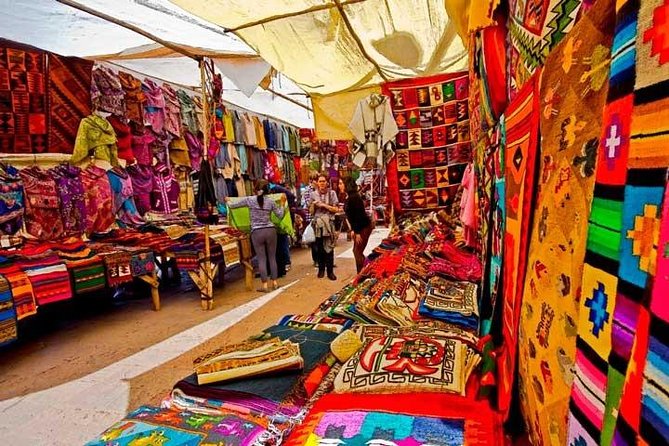
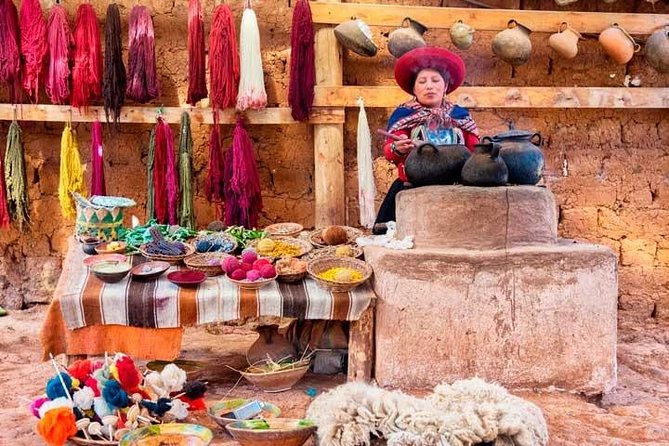
The market is the main draw for many people. It began as a place to trade agricultural goods between communities from the valley and people from higher areas. Today, it offers textiles and other crafts made in styles connected to pre-Columbian traditions. You can look, compare, and get an early feel for the region’s weaving and market culture.
The scheduled visit is about 40 minutes. That is enough for a guided look and a short browse, but not a leisurely shopping session. If you are hoping to buy textiles, decide what you are interested in before the trip and keep an eye on the clock. The route also reaches other craft markets later, including Pisac.
More Sacred Valley tours around Cusco:
- From Cusco: Sacred Valley & Maras Salt Mines Tour with Lunch
★ 4.8 · 2,227 reviews - Cusco: Sacred Valley, Pisac, Ollantaytambo, Salt Mines Moray
★ 4.6 · 1,058 reviews - Sacred Valley: Maras & Moray by Quad Bike from Cusco
★ 4.6 · 418 reviews
Moray’s circular terraces
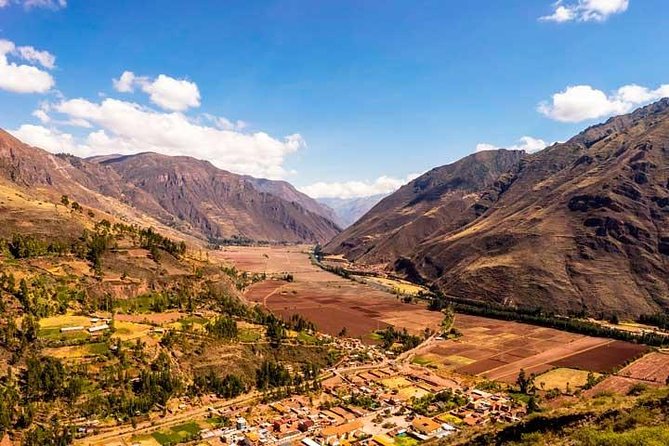
Moray is known for its circular agricultural terraces, arranged in stepped levels of different sizes. The shape is striking, and the site gives you a clear visual change from the village and market scenes at Chinchero. The terraces are understood as a place for agricultural experimentation, making this stop a chance to think about Inca farming as practical engineering, not just stonework.
The tour allows about 30 minutes here. That is a brief visit to a site whose scale and layout are best understood by taking in the whole formation. Your guide can add context, though the bilingual format may affect how much explanation you hear in English. One tour participant found the English commentary shorter than the Spanish explanations, and the first stop was conducted entirely in Spanish. If English is essential for you, ask the operator how the guide divides commentary before booking.
The site ticket is not included. The tour information identifies admission to archaeological centers as an extra cost, so budget for that separately rather than assuming the $45 fare covers every entrance.
Maras salt ponds, still worked by hand
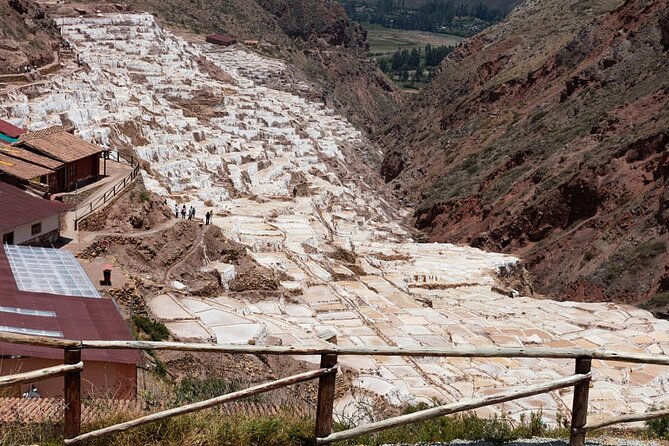
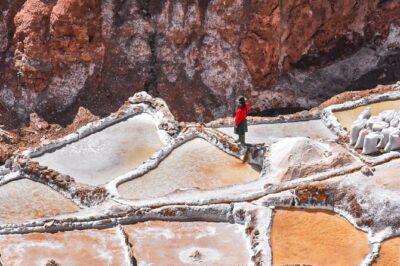
The salt ponds near Maras are one of the day’s most distinctive stops. Around 3,000 small wells collect salty water from an underground stream. The water evaporates in the sun, leaving salt that can be gathered and sold. Salt production here reaches back to pre-Hispanic times, so the visit connects a working local product with a long-established method.
You have around 30 minutes to see the ponds. That is enough to take in the tightly packed pattern and understand the basic process, but not a long visit. The site is sometimes called the Maras salt mines, though these are small evaporation ponds rather than underground workings.
Admission is extra. One visitor who took the tour reported paying 10 soles for the salt ponds, alongside 40 soles for the historical sites, but fees can change. Bring cash and confirm current prices before departure. The tour does not include extra drinks, either, so carry water and money for anything you want to buy.
Ollantaytambo’s stonework and village
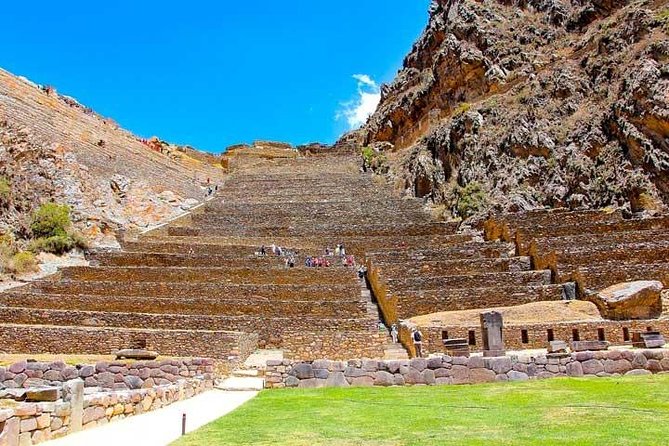
Ollantaytambo is both a living Inca town and a major archaeological site. In the village, traditional blocks and houses extend north of Hanan Huacaypata Square. The old town’s layout and carefully worked stone walls give you a sense of the place as more than a set of ruins: it remains part of a lived-in community.
Above the village, the archaeological complex occupies the hillside. Notable structures include the Temple of the Sun, the Intihuatana, and the Baths of the Princess. The site is visually impressive, but the visit is scheduled for about 50 minutes, which makes this one of the more compressed stops. You will need to stay with the group and follow the guide’s timing rather than explore every path at your own pace.
The itinerary also notes a route from Ollantaytambo toward the Malaga pass and the jungle-edge region, including Huilloc, a village known for weaving. That is context for the wider area, not a separate stop on this tour. Do not book expecting a visit to Huilloc or the pass.
More Maras and Moray tours around Cusco:
- From Cusco: Moray, Maras Salt Mines & Chinchero Weavers Tour
★ 4.8 · 1,925 reviews - Cusco:Chinchero,Moray & Salt Mines drop-off in Ollantaytambo
★ 4.8 · 793 reviews - From Cusco: Quad bike tour Moray and Salt Mines
★ 4.7 · 314 reviews - From Cusco: Moray, Maras Salt Mines & Chinchero Weavers Half-Day
★ 5.0 · 126 reviews
Urubamba lunch and a short rest
Urubamba is the lunch and rest stop, with about 40 minutes set aside. A buffet lunch is included, making this a practical pause during a long day of driving and site visits. The meal gives you a chance to sit down and recharge before the final stop at Pisac.
The time allowance is still fairly tight. You are not getting a long restaurant visit, and extra drinks are not included. If you have dietary needs, the provided details do not specify which dishes are available, so ask the operator ahead of time rather than counting on a particular menu.
One person who took this route especially liked the lunch. That is encouraging, but a buffet can vary, and the tour information does not name the restaurant or list the food. Treat the meal as a convenient included stop, not a reason on its own to choose the tour.
Pisac’s ruins, market, and craft stalls
Pisac combines an archaeological site with a modern village and a well-known artisan market. The ruins sit above the valley, while the market brings together craftspeople and community members from more remote villages. Traditional clothing adds a glimpse of regional identity, and the stalls offer another chance to see local textile and craft work.
The scheduled visit is about 40 minutes, so you will need to choose between spending your time at the archaeological site and browsing the market. The tour includes both in the same stop, but does not provide enough time for a leisurely look at every part. If shopping is a priority, you may want to focus on a few stalls rather than trying to cover the entire market.
The tour information recommends buying crafts here because prices are often lower than in Cusco. That is a useful reason to save some shopping for Pisac, but compare items and prices rather than assuming every stall offers the best deal. As with Chinchero, the group schedule sets the limit on how long you can browse.
What the $45 fare covers, and what it does not
At $45 per person, the tour offers a lot of ground in one day. Group transport, a professional guide in English and Spanish, and buffet lunch are included. If your priority is seeing several major Sacred Valley places without arranging separate drivers and meals, that bundled setup can be good value.
The headline price is not the full cost. Entrance to archaeological centers, the Maras salt ponds, extra drinks, and accommodation are not included. The site fees need careful budgeting, especially because one past account described the archaeological ticket as 40 soles for the historical sites and the salt-pond admission as 10 soles, payable in cash. Those figures are a useful guide, not a promise of current prices.
There is also a practical question about transport at the start and end. The tour advertises convenient hotel pickup and drop-off, but the stated start and end point is Plaza Regocijo, and one person expected a ride back to the hotel but returned to the meeting point instead. Confirm exactly where you will be collected and dropped off before booking, and plan for the possibility that you will need to make your own way back to your lodging.
The group cap of 18 helps keep the outing from becoming a very large coach excursion. Even so, the route is busy by design. The guide needs to manage six stops, driving time, lunch, and two languages. One account described the guide as responsible and kind, with a low-key manner. Another found the Spanish commentary longer and more detailed than the English. That difference could shape your day if you want detailed explanations in English.
There were also concerns about sales-oriented detours. One account described a drink seller boarding the bus and a final jewelry-shop stop, both of which felt like attempts to encourage extra spending. These moments are not listed as formal itinerary stops, so they should not be treated as guaranteed parts of every departure. Still, it is reasonable to ask the operator whether any shopping stops are planned and to feel free to decline purchases.
Who should book this day trip?
I would consider this tour if you are short on time, want a broad Sacred Valley overview, and are comfortable moving quickly. It links several places that can be difficult to combine independently in one day, and the included transport, guide, and meal make the day easier to manage.
It is less suited to you if you want deep visits at each site, need a detailed English-language explanation throughout, or dislike group schedules and possible sales pitches. Before paying, confirm the language arrangements, current entrance fees, and whether transport begins and ends at your hotel or Plaza Regocijo. If those details work for you, the tour is a practical way to see the valley’s main contrasts in a single, full day.
FAQ
How long is the tour?
It lasts about 11 hours. The listed start time is 7:00 am, and the activity ends back at its meeting point.
Where does the tour start and end?
The stated meeting point is Plaza Regocijo in Cusco, and the listed end point is the same meeting point. Hotel pickup and drop-off are also advertised, so confirm the exact arrangement before booking.
What is included in the $45 price?
The price includes group transport, a professional guide service in English and Spanish, and buffet lunch.
Are entrance tickets included?
No. Admission to archaeological centers and the Maras salt ponds is not included. Extra drinks and accommodation are also excluded.
How many people can join the tour?
The maximum group size is 18 people.
What places does the tour visit?
The route includes Chinchero, Moray, the Maras salt ponds, Ollantaytambo, Urubamba, and Pisac.
Can I cancel for a refund?
You can cancel at least 24 hours before the experience starts for a full refund. Cancellations made less than 24 hours before the start are not refunded.
Just added around Cusco
- Zipline over the Sacred Valley Trip★ 5.0 · 11 reviews
- Visit Pisac from Cusco: Private Transport★ 4.6 · 9 reviews
- TRIP FROM PUNO TO CUSCO WITH THE ROUTE OF THE SUN★ 4.7 · 16 reviews
- Vinicunca Mountain Tour – Full Day Tour to Rainbow Mountain★ 3.4 · 4 reviews
- Valle Sur Cusco | half day★ 4.3 · 3 reviews
- Trek to Choquequirao 4 days★ 3.8 · 4 reviews
- Trek to Humantay Lake from Cusco★ 4.9 · 8 reviews
- 2 Day – Short Inca Trail to Machu Picchu – Group Service★ 5.0 · 30 reviews
Maras and Moray Tours, compared.
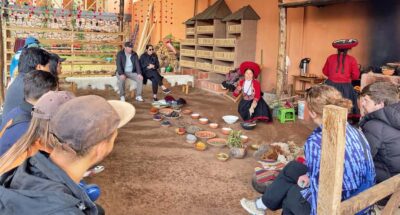
Sacred Valley & Maras Salt Mines Tour with Lunch
Read our review →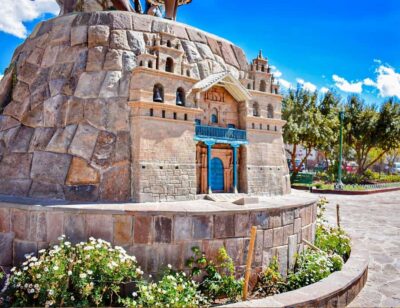
Moray, Maras Salt Mines & Chinchero Weavers Tour
Read our review →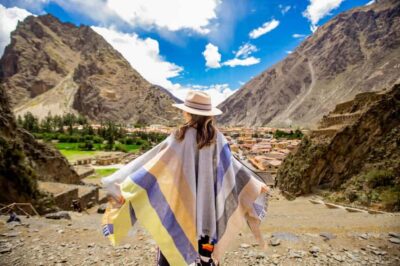
Sacred Valley, Pisac, Ollantaytambo, Salt Mines Moray
Read our review →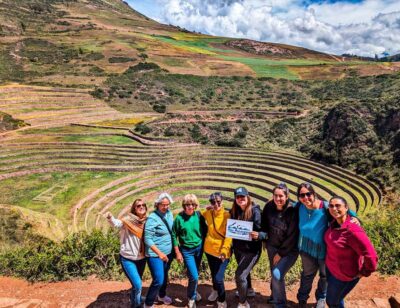
Chinchero,Moray & Salt Mines drop-off in Ollantaytambo
Read our review →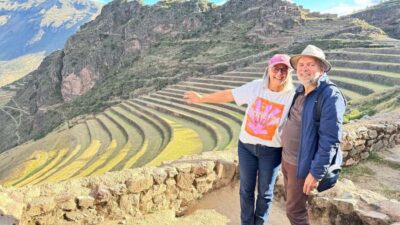

Moray, Maras Salt Mines & Chinchero Weavers Half-Day
Read our review →Browse the lists this tour appears in