
Reviewed · INCA TRAIL TREKS
Inca Trail 4 Day Adventure to Machu Picchu with Panoramic Train
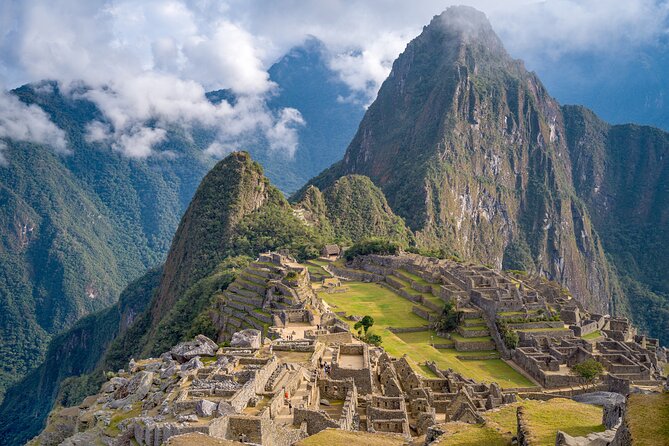
The classic Inca Trail saves its grandest reveal for the end: after days on foot, you approach Machu Picchu through Inti Punku, the Sun Gate, with the citadel spread below. I like that this is a genuine four-day trek, not a quick walk followed by a bus ride, and that porters, a cook, meals and camping equipment are included.
I also like the operator’s community focus and the way the route links archaeological sites with high passes and cloud forest. The trade-off is real exertion: the second day climbs to 4,200 meters, and you should be comfortable with long hikes before committing. The listed fare is $950, but plan extra for a sleeping bag, trekking poles, the bus down and some meals.
At a glance
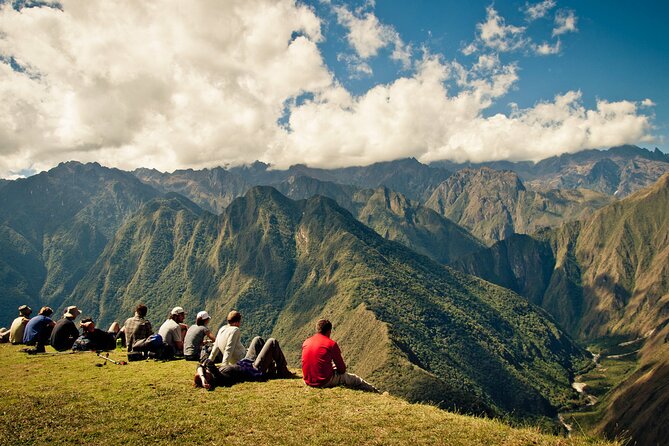
- Four days on the historic trail: Start at Km 82 and walk through archaeological sites before entering Machu Picchu by the Sun Gate.
- A serious high-altitude day: The second day reaches Dead Woman’s Pass at 4,200 meters, the route’s toughest and longest hiking day.
- A full support team: A certified bilingual guide, porters, a cook, camping equipment and three meals a day are included.
- Group size capped at 16: The smaller maximum can make it easier to keep a steady group pace and hear your guide.
- A local operator with a stated social mission: The company says it supports remote communities, including by providing school supplies to children.
- Budget for add-ons: Sleeping bags and poles are $20 each to rent, while the bus down from Machu Picchu costs $12.
Four days from Km 82 to the Sun Gate
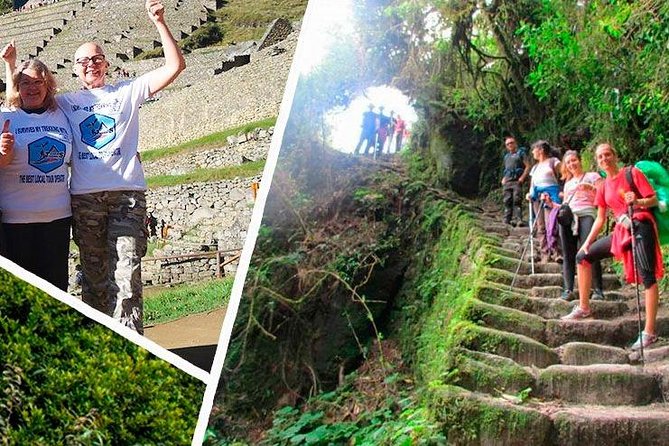
This is the classic four-day, three-night Inca Trail, with daily hiking, two nights or more at camps along the route, and a final arrival at Machu Picchu. The walking days are listed at roughly six, eight, six and five hours, although trail conditions, stops and individual pace can affect how the day feels.
You begin at Piskacucho, also called Km 82, and finish at Machu Picchu. Along the way, the route passes Patallacta, the high point at Warmiwañusca, also known as Dead Woman’s Pass, Phuyupatamarca and Wiñaywayna. The sequence gives the trek its appeal: you are not simply getting to the famous citadel, you are walking through the mountain route and ruins that make the arrival meaningful.
The operator picks you up from accommodation in Cusco, Urubamba or Ollantaytambo. The departure is early, at 5:00 a.m. on Day 1, and private transport takes you to the trailhead. A briefing with your guide is planned for the day before the trek, so use it to confirm what to carry, what the team supplies and any dietary needs.
More Machu Picchu tours around Cusco:
- From Cusco: Full-Day Group Tour of Machu Picchu
★ 4.7 · 1,767 reviews - Machu Picchu Day Trip from Cusco
★ 4.5 · 1,644 reviews - Machu Picchu: Full-Day Tour from Cusco with Optional Lunch
★ 4.6 · 927 reviews
Day 1: Patallacta and the first camp
The first morning starts before sunrise. The drive toward the trailhead includes a stop in Ollantaytambo, where you can buy last-minute gear and personal items, and order breakfast at a local restaurant. That meal is not included, so bring cash or make a plan with your guide during the briefing.
At Km 82, the hike begins with about two hours to Patallacta, described as the largest archaeological site on the Inca Trail. Your guide explains the remains before you continue for roughly two hours to lunch. After a short rest, there are another two and a half to three hours of walking to the first campsite.
This is a full opening day, even if it is not the hardest. You will be adjusting to the altitude, the group’s rhythm and carrying your own daypack while porters transport the camping and kitchen gear. The included snacks and boiled drinking water help, but make sure you know what personal items you will need within reach.
The camp is a practical part of the experience, not a hotel stop. Four-season tents are shared by two trekkers, with mattresses, a kitchen tent, portable chairs and a table supplied. Sleeping bags are not included, so rent one for $20 or bring your own. If you are tall or need extra room, ask the operator about tent dimensions before booking; one account raised a concern that the tent was smaller than expected.
Day 2: The climb to Dead Woman’s Pass
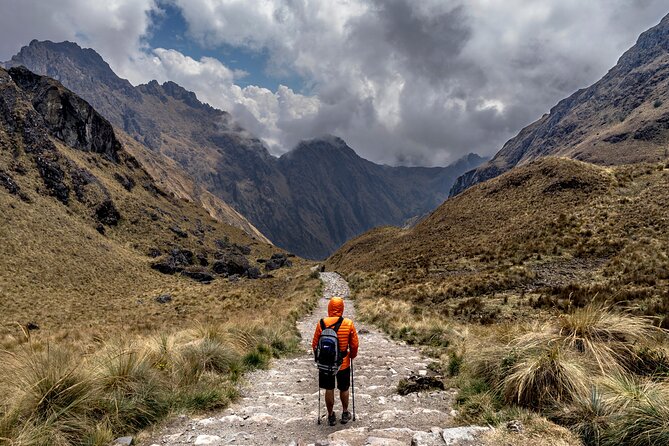
Day 2 is the physical test. You start with breakfast and coca tea, then climb toward Warmiwañusca, or Dead Woman’s Pass, at 4,200 meters (13,780 feet). The day is listed at about eight hours and is described as the longest and hardest section of the trek.
The altitude matters as much as the distance. The climb takes you through changing ecological zones, and the guide can help put those shifts into context. Take the pace steadily, drink the boiled water supplied by the team and avoid measuring your progress against the quickest hiker in the group. The guide’s job is to support the whole group, and past trips have included children and hikers with different abilities.
After the pass, you descend toward the Pacaymayu Valley. Reaching the top is a major milestone, but the day is not over once you get there. Save energy for the descent and the walk to camp. If you are uncertain about your fitness, this is the day to consider carefully before booking, rather than hoping the challenge will feel easy once you arrive.
Trekking poles can be useful on long climbs and descents. They are not included, but the operator rents a pair for $20. You can also buy mineral water at some campsites, though it costs extra; boiled water is provided during the trail.
Day 3: Inca paths, cloud forest and Wiñaywayna
The third day starts early with breakfast and is often the most scenic part of the walk. You follow a stretch called the Inca Flat, with views toward the snowy Salkantay and the Vilcabamba mountain range, before reaching Phuyupatamarca, the Town in the Clouds, at 3,650 meters (11,975 feet).
From there, the route heads into cloud forest. The day’s description points to streams, small waterfalls, orchids, bromeliads, palms and birds such as parrots and parakeets. That change from high mountain terrain to a wetter, greener environment is one reason this trek offers more than a hard walk to Machu Picchu.
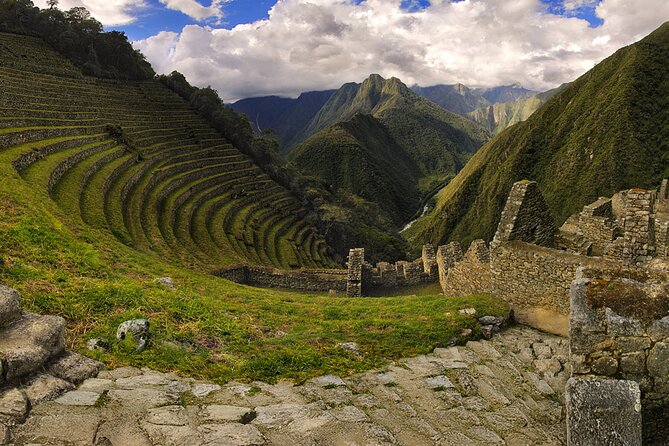
After lunch, the route continues to the ruins of Wiñaywayna. As with Patallacta, having a guide explain the site can add useful context to what might otherwise look like stone terraces and walls. The day is listed at around six hours, giving you a chance to take in the scenery and archaeological remains without facing another pass as high as Dead Woman’s.
The support team plays a large role in how manageable these days feel. Porters carry the camping equipment and kitchen supplies, while a professional cook prepares the included meals. The company provides three breakfasts, three lunches and three dinners across the trek, along with daily snacks. Vegetarian, vegan and pescetarian meals can be requested, so state your needs before departure rather than leaving it to the trail.
More Inca Trail treks around Cusco:
- Cusco: 4-Day Inca Trail to Machu Picchu with Accommodation
★ 4.8 · 432 reviews - Cusco: Machu Picchu 2-Day Inca Trail with Panoramic Train
★ 4.9 · 260 reviews - From Cusco: 2-Day Inca Trail to Machu Picchu
★ 4.2 · 244 reviews - Machu Picchu: Inca Trail 2-Day Overnight Guided Tour
★ 4.9 · 203 reviews
Day 4: Entering Machu Picchu by the Sun Gate
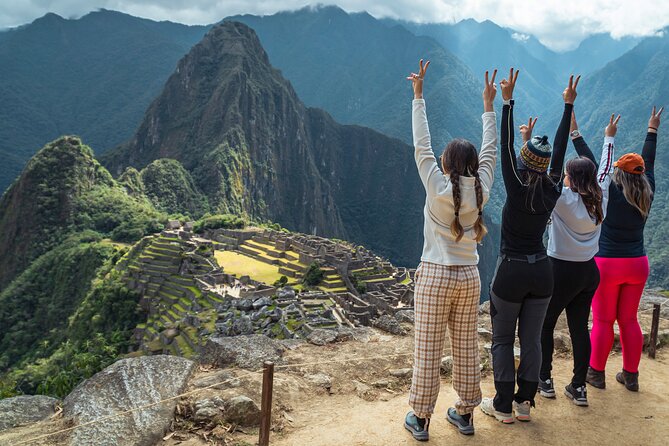
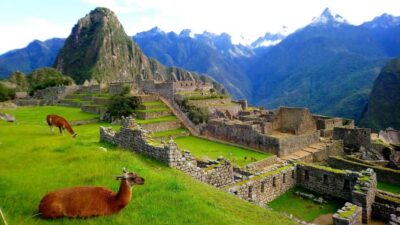
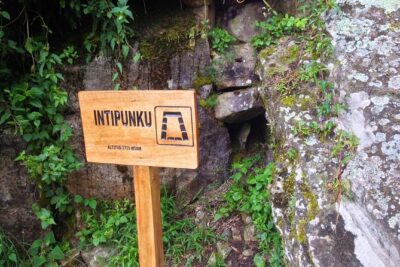
The final morning begins with breakfast and a farewell to the porters and cook. You walk to Inti Punku, the Sun Gate, then get your first panoramic view of Machu Picchu from above. This is the payoff for reaching the citadel on foot, and it differs from arriving by train and bus.
At the site, the guide leads a two-hour tour of key places, including the Temple of the Sun and the Temple of the Water. Afterward, you have time to explore independently and take photographs. The guided portion gives you an introduction; the free time lets you linger where you want, within the visit’s schedule and site rules.
Huayna Picchu is an optional mountain visit after the Machu Picchu tour. It takes about two hours and costs extra, and its admission ticket is not included. If you are considering it, confirm the added cost and ticket availability before you travel. It is not part of the standard package.
The $12 bus down from Machu Picchu to Aguas Calientes is also excluded. The package includes a tourist train from Aguas Calientes to Ollantaytambo, followed by private transport to Cusco. A Vistadome train upgrade is available at an additional cost. Since the experience title refers to a panoramic train but the included service is described as a tourist train, confirm the exact train category before booking if the carriage or windows matter to you.
What the $950 fare covers, and what it does not
At $950, this is a substantial purchase, but the price covers much of the expensive infrastructure behind a multi-day trek. The package includes the Inca Trail permits and entrance tickets, a bilingual certified guide, private transport to the trailhead, porters, a cook, tents, mattresses, kitchen equipment, meals and the return train to Ollantaytambo. It also includes private transport from Ollantaytambo to Cusco and a Survivor T-shirt.
That bundle can be good value if you want a supported trek without arranging each piece yourself. Porters carry the shared camping and cooking equipment, while the cook handles meals. You still need to bring personal gear and a daypack, and the tour does not include a sleeping bag or trekking poles.
Set aside extra money for your first breakfast, your last lunch and dinner, bottled mineral water, the bus down from Machu Picchu, and tips if you choose to give them. The listed meal plan includes three breakfasts, lunches and dinners, so do not assume every meal across all four calendar days is covered. The Vistadome train and Huayna Picchu are paid upgrades or add-ons, too.
Guides, group size and the company’s local role
The group maximum is 16, and the operator describes itself as a 100% local Inca Trail company. It says part of its work supports remote communities, including providing books, notebooks, pencils and other school supplies to children. That gives your booking a community-minded element, though the information provided does not quantify the program’s impact.
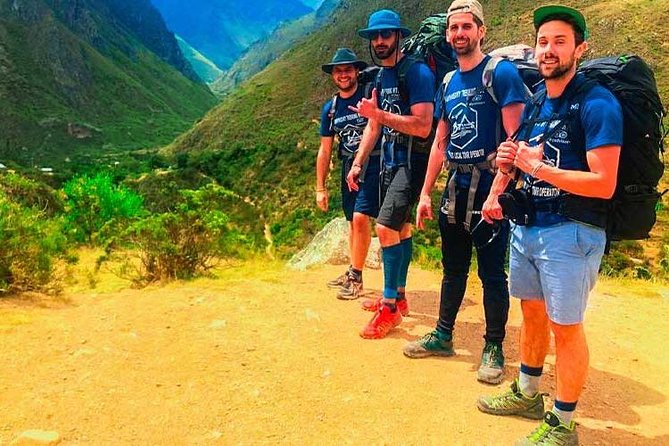
Guide assignments can vary. Names associated with the company include Paulo, Raul and Wuilber, while Alberto handles trip coordination. The guide is central to the experience: you rely on them for the pace, explanations at archaeological sites and help managing the day’s demands. If you have a preferred language, children in your party or specific questions about the trail, raise them in the pre-trek briefing.
The most consistent strength of the operation is the team approach. The guide, cook and porters each shape the trek, and the included support makes a demanding route more practical. Be respectful of the porters’ work and follow the guide’s advice about packing and what you personally need to carry.
Preparation, requirements and a few useful cautions
The tour is rated for people with moderate physical fitness, but that label should not make the route sound casual. You will walk for several hours on consecutive days and climb to 4,200 meters. If you have not done long hikes recently, build up your walking beforehand and be honest with yourself about how you handle sustained uphill effort.
A current valid passport is required on the day of travel. The company requires a briefing with your guide the day before, and meals can be adapted to vegetarian, vegan or pescetarian preferences. Confirm dietary requirements and rental equipment in advance.
One practical point deserves special attention: the advertised price and inclusions use the term tourist train, while the title calls the experience a panoramic train and the Vistadome is listed as an upgrade. Ask which service is included on your date. Also confirm the bus arrangement after Machu Picchu, since it is not part of the fare.
The cancellation terms are strict: the experience is non-refundable and cannot be changed. Make sure your travel dates and passport details are settled before you pay.
Should you book this Inca Trail trek?
Book it if you want the full four-day walking route, value an organized support team and are ready for the climb to Dead Woman’s Pass. The combination of Patallacta, high Andean scenery, cloud forest and an arrival through the Sun Gate makes this a more complete Machu Picchu visit than simply reaching the site by train.
Think twice if you want a relaxed outing, have little experience with long hikes or need flexible dates. Before paying, confirm the included train type, tent dimensions if space is important, rental gear, meals on the first and final days, and the additional cost of the bus. If those details suit your plans, the $950 package brings together permits, guiding, food, camping support and return transport in one demanding but rewarding trip.
FAQ
How long is the Inca Trail tour?
The tour lasts about four days and includes three nights of camping. The listed hiking times range from about five to eight hours per day.
Where can pickup be arranged?
Pickup is offered from accommodation in Cusco, Urubamba or Ollantaytambo. The first-day pickup is scheduled for 5:00 a.m.
What is the maximum group size?
The group maximum is 16 people.
Are meals included?
Three breakfasts, three lunches and three dinners are included, along with daily trekking snacks. The first breakfast and the last lunch and dinner are not included.
Is a sleeping bag included?
No. You can rent a professional sleeping bag from the operator for $20.
Are trekking poles included?
No. A pair of Black Diamond poles can be rented for $20.
Is Huayna Picchu included?
No. Huayna Picchu is optional, takes about two hours and costs extra. Its admission ticket is not included.
Is the tour refundable or changeable?
No. The experience is non-refundable and cannot be changed for any reason.
More four-day trips around Cusco
- 4 Day Tour to the Manu National Park
★ 5.0 · 81 reviews - Choquequirao Trek 4 days and 3 nights
★ 5.0 · 81 reviews - Cusco Sacred Valley and Machupicchu 4 Days
★ 5.0 · 80 reviews - Ancascocha Trek To Machu Picchu 4 Days And 3 Nights
★ 5.0 · 77 reviews
More train journeys around Cusco
- The First Class Machu Picchu Train by Inca Rail
★ 4.0 · 182 reviews - From Cusco: 1-day Machu Picchu Tour by Train
★ 4.6 · 138 reviews - 2-Day Machu Picchu Tour by train from Cusco ( All included )
★ 5.0 · 85 reviews - Machu Picchu: 5-Day Salkantay Trek with Panoramic Train
★ 5.0 · 79 reviews
Just added around Cusco
- Zipline over the Sacred Valley Trip★ 5.0 · 11 reviews
- Visit Pisac from Cusco: Private Transport★ 4.6 · 9 reviews
- TRIP FROM PUNO TO CUSCO WITH THE ROUTE OF THE SUN★ 4.7 · 16 reviews
- Vinicunca Mountain Tour – Full Day Tour to Rainbow Mountain★ 3.4 · 4 reviews
- Valle Sur Cusco | half day★ 4.3 · 3 reviews
- Trek to Choquequirao 4 days★ 3.8 · 4 reviews
- Trek to Humantay Lake from Cusco★ 4.9 · 8 reviews
- 2 Day – Short Inca Trail to Machu Picchu – Group Service★ 5.0 · 30 reviews
Inca Trail Treks, compared.
4-Day Inca Trail to Machu Picchu with Accommodation
Read our review →
Machu Picchu 2-Day Inca Trail with Panoramic Train
Read our review →
Short Inca trail to MachuPicchu || 2days – 1nigth ||
Read our review →
4 Day Inca Trail Trek to Machu Picchu Multi day tour
Read our review →
4 Day Inca Trail To Machu Picchu – Private Service
Read our review →Browse the lists this tour appears in