
Reviewed · INCA TRAIL TREKS
4 Day Inca Trail Trek to Machu Picchu Multi day tour
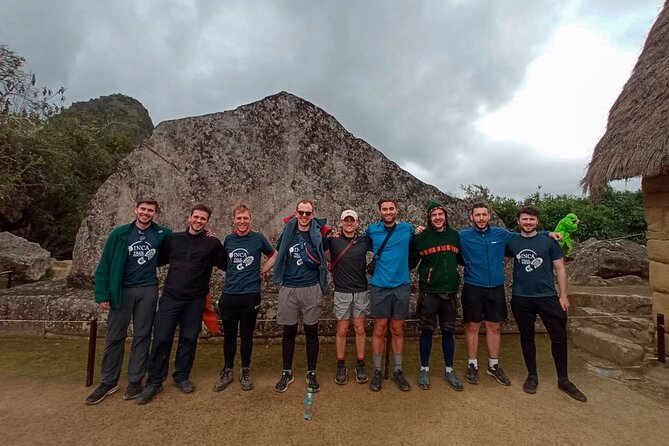
The Inca Trail earns its fame one hard step at a time: over four days, you cross high Andean passes, walk past Inca ruins and arrive at Machu Picchu through the Sun Gate. I love two things about this route: the ruins are part of the walk, not a separate day trip, and the support team carries the camp gear while a chef cooks meals on the trail.
The trade-off is real exertion at altitude, especially on the climb to Dead Woman’s Pass at 4,215 meters. You need strong physical fitness, and the 4:30 a.m. start and three nights of camping are not small details. The $930 price includes permits, transport, meals and a porter-carried duffel, but not a sleeping bag or trekking poles.
What matters most on this four-day trek
- Dead Woman’s Pass reaches 4,215 meters: Day two is the toughest climb, with a long ascent followed by a descent into Pacaymayo Valley.
- You walk about 42 kilometers: The route mixes steep mountain trails, high grasslands, cloud forest and subtropical vegetation.
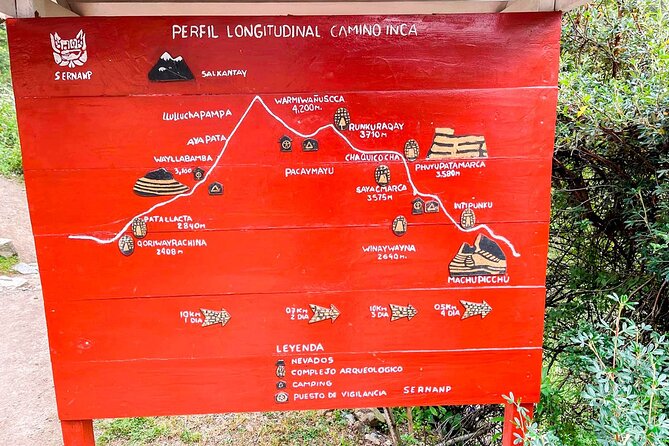
- The ruins come along the way: Llactapata, Runkurakay, Sayacmarca, Phuyupatamarca and Wiñay Wayna make this more than a long walk to Machu Picchu.
- The crew carries much of the load: Porters transport camp and cooking gear, plus your personal duffel of up to 7 kilograms. You still carry what you need during the day.
- Three nights are spent camping: Tents, a dining tent, a toilet tent, a mattress and meals are included.
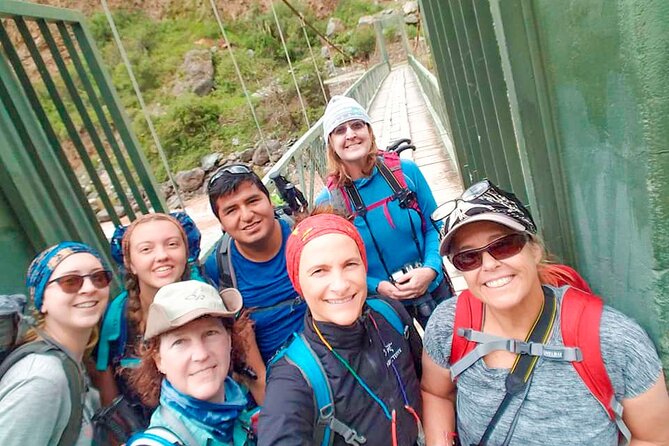
- The group is capped at 16: You get a guided group trek, not a private walk, and the guide may adjust the pace to suit the group.
Four days from Km 82 to the Sun Gate
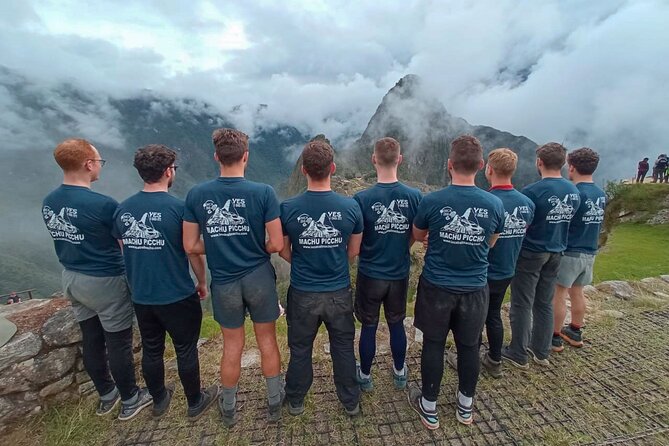
This is the classic Inca Trail: roughly 42 kilometers over four days, beginning at Km 82 and ending at Machu Picchu. It is not simply a scenic approach to the famous citadel. You pass archaeological sites, cross three high passes and move through changing elevations and vegetation before reaching the Sun Gate.
That variety is part of the appeal. The trail moves from the Urubamba Valley and open Andean slopes to cloud forest, then descends toward the warmer surroundings of Machu Picchu. You get a sense of the route as a journey through Inca-built terrain, rather than a quick visit to the ruins after a train ride.
The advertised price is $930 per person. That is a substantial spend, but the package covers the Inca Trail permit and Machu Picchu entrance, return transport to Cusco, three nights of camping, meals, a guide, a chef and porters. Those inclusions matter on a multi-day walk where you cannot simply pop into town for dinner or replace a forgotten tent peg.
More Machu Picchu tours around Cusco:
- From Cusco: Full-Day Group Tour of Machu Picchu
★ 4.7 · 1,767 reviews - Machu Picchu Day Trip from Cusco
★ 4.5 · 1,644 reviews - Machu Picchu: Full-Day Tour from Cusco with Optional Lunch
★ 4.6 · 927 reviews
Day one: Urubamba Valley to the first camp
Your day begins with a hotel pickup in Cusco at about 4:30 a.m. From there, tourist transport takes you through the Urubamba Valley to Km 82, the trail’s starting point. After crossing the Vilcanota River, you begin walking along the old Inca road.
The first day covers about 12 kilometers and is described as moderate, with roughly eight hours allocated. You follow the Urubamba River and pass through Huayllabamba, where you may have a chance to interact with local people. Mountain and valley views ease you into the trek, though an early start and several hours on foot are still a demanding first day.
I like that the route begins with a gradual introduction rather than immediately throwing you at the highest pass. Use this day to settle into your walking rhythm, check that your boots and pack are comfortable, and take in the change from road travel to trail. You will be sleeping outdoors that night, so the first evening is also your first test of camping comfort.
Day two: The long climb to Dead Woman’s Pass
Day two is the physical crux. After an early wake-up and breakfast, you climb to Warmiwañusca, better known as Dead Woman’s Pass, at 4,215 meters. The ascent is steep and sustained. At that height, a pace that feels easy lower down can become a plod, so there is no prize for racing to the top.
The views from the pass are the reward, with mountains and valleys opening around you. After a rest, you descend to the Pacaymayo Valley, where the group camps. The trail crosses high-altitude grassland and cloud forest, with orchids and bromeliads along the way.
This day is why the tour asks for strong fitness. The challenge is not just the uphill climb; you also have to descend after reaching the pass, when tired legs can make foot placement more important. A guide who manages the pace well can make a genuine difference. Names associated with past trips include Nico Raul, César Pérez, César Coavoy and Plinio, but the guide assigned to your group can vary.
Day three: Inca sites and cloud forest
Day three brings another climb, this time to Runkurakay Pass at 3,970 meters. From there, you descend through cloud forest toward Sayacmarca, an archaeological site at about 3,624 meters. The route continues past smaller ruins before climbing again to Phuyupatamarca at 3,670 meters.
The day finishes with a descent to Wiñay Wayna, at about 2,650 meters. Its agricultural terraces and ritual baths are among the trail’s most compelling remains. You camp nearby, with mountain views around the site.
At about six hours, day three is shorter on the schedule than the first two days, but it still includes repeated climbs and descents. The reward is a steady run of archaeological stops instead of one hard pass dominating the day. Your guide can add context as you walk; guides on past trips have been praised for explaining Inca history and answering questions. The trail’s ruins are best appreciated with time to look, so resist the urge to treat each one as a photo stop before hurrying onward.
More Inca Trail treks around Cusco:
- Cusco: 4-Day Inca Trail to Machu Picchu with Accommodation
★ 4.8 · 432 reviews - Cusco: Machu Picchu 2-Day Inca Trail with Panoramic Train
★ 4.9 · 260 reviews - From Cusco: 2-Day Inca Trail to Machu Picchu
★ 4.2 · 244 reviews - Machu Picchu: Inca Trail 2-Day Overnight Guided Tour
★ 4.9 · 203 reviews
Day four: First view of Machu Picchu at Inti Punku
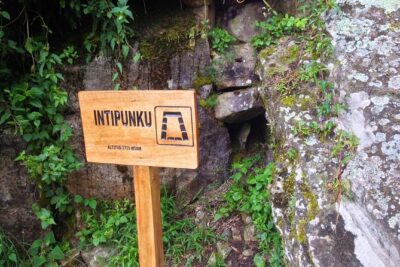
The final morning starts early. You eat breakfast, head to the checkpoint and walk the last stretch toward Inti Punku, the Sun Gate. This is the traditional entrance to Machu Picchu on foot, and it offers the first panoramic view of the citadel and the surrounding mountains.
After reaching the site, you have a guided tour of Machu Picchu. The ruins were brought to wider international attention by Hiram Bingham in 1911, but the setting is the immediate draw: after three days on the trail, the familiar stone terraces and peaks arrive as the finish of a long walk, not a quick stop on a bus itinerary.
The day’s listed duration is about six hours. After the visit, you take a shuttle bus down to Aguas Calientes, where lunch is not included. The return journey includes a tourist train to Ollantaytambo and a tourist bus back to Cusco. That transport is a practical part of the package: you do not need to arrange separate onward travel after finishing the trek.
Camping, food and the crew
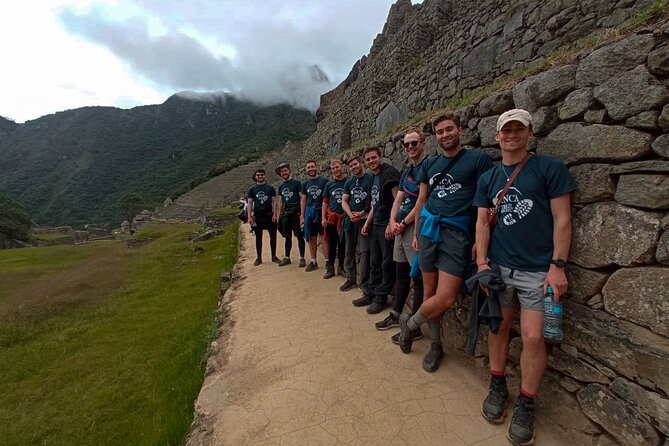
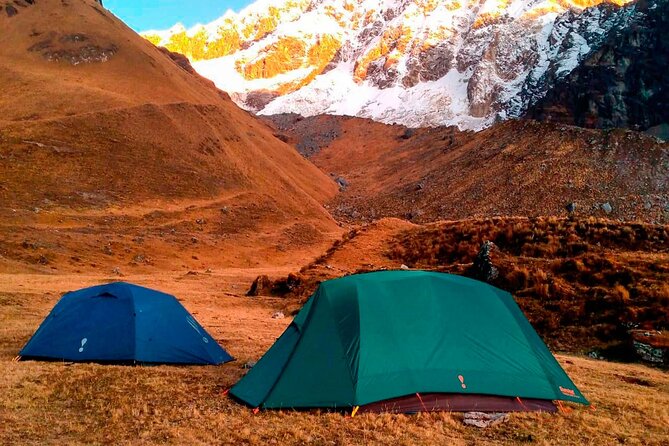
The tour includes three nights of camping, with two people sharing a four-person Eureka tent. The extra space is intended to make the tent more comfortable and leave room for belongings. Kitchen and dining tents, utensils, tables, chairs, a gas bottle and a toilet tent are also supplied. A comfort sleeping-roll mattress is included, while an inflatable rest mattress is listed as an extra for $20.
Porters carry food, cooking and camping equipment, as well as your personal duffel up to 7 kilograms. That support lets you hike without carrying the full camp load, but you should still expect to carry your daily essentials. The exact contents of that daypack are not specified, so pack thoughtfully and confirm any weight rules before departure.
Meals are a major part of the support. The package includes three breakfasts, three lunches and three dinners, with water provided at each campsite by the chef. Meals and the cooking team earn particularly strong praise, including reports of plentiful food and even a cake prepared at camp. You should still bring money for the first breakfast and final lunch in Aguas Calientes, which are excluded.
Your guide, chef and porters shape the trek as much as the route does. Past guides named Nico Raul, César, Plinio and Josias have been singled out for attentive pacing, historical explanations and encouragement. Different groups have different staff, so treat those names as examples, not a promise. The broader point is that the trip is supported by a working crew, not just a guide walking at the front.
Price, extras and the fine print
At $930 per person, this is a supported trek rather than a budget camping trip. The permit and entrance fee are included, along with return transfers, the train, the Machu Picchu shuttle bus, camping equipment, meals, a guide and porters. Adding those components independently would take time and coordination, and the porter and cook support would be hard to reproduce on your own.
Budget extra for a sleeping bag, listed at $25, hiking poles at $20, and an optional inflatable rest mattress at $20. Tips, souvenirs, travel insurance, the first breakfast and the final lunch are also not included. The tour supplies a rain poncho, but weather can change on a mountain route, so ask what other personal clothing and gear you should bring.
The package also includes a first-aid kit with emergency oxygen, all taxes and fees, and the chance to sponsor the planting of native trees. Those are useful additions, but they do not remove the need to prepare for altitude and sustained walking. The tour description calls for strong physical fitness, and that is the right standard to take seriously.
There is one booking caution worth weighing before you pay: the experience is non-refundable and cannot be changed for any reason. Confirmation is subject to availability and is expected within 48 hours of booking. Because the policy leaves little room for a change of plans, be sure your dates and travel arrangements are firm.
Who should choose this trek
I would choose this trip if you want the full overland approach to Machu Picchu and are prepared to earn the view. The route suits hikers who can manage long days, steep climbs, high altitude and basic camping, while appreciating the convenience of a guide, porter team and cook.
It can also work for people who are not young but are fit and realistic about the effort. Accounts from people in their 60s and 70s describe completing the route, but age alone does not predict how you will handle the climb. Your conditioning and response to altitude matter more than the number on your passport.
If you mainly want to see Machu Picchu with minimal exertion, this is the wrong format. The walk is the point, and Dead Woman’s Pass is a serious physical hurdle. For a more comfortable trip, consider a different way of reaching the site rather than booking a strenuous trek and hoping the challenge will feel smaller once you arrive.
Should you book it?
Book if you want a four-day journey with Inca ruins, mountain passes, cloud forest and a memorable walk through the Sun Gate, and if you are willing to camp and train for the effort. The included permits, transport, meals and crew support make $930 a substantial but understandable price for this level of organization.
Skip it if you need flexible dates, dislike camping, or are not ready for a high-altitude trek. Before paying, confirm what personal gear you need, plan for the excluded meals and extras, and make sure the non-refundable terms suit your plans.
FAQ
How long is the Inca Trail trek?
The trek covers approximately 42 kilometers, or 26 miles, over four days.
What time does the tour start?
The meeting time is 4:30 a.m. on the first day, with pickup offered from your hotel in Cusco.
How high is Dead Woman’s Pass?
Dead Woman’s Pass, also called Warmiwañusca, reaches 4,215 meters, or 13,828 feet.
How many nights do you camp?
You camp for three nights. Camping equipment, a comfort sleeping-roll mattress and a toilet tent are included.
Are meals included?
The tour includes three breakfasts, three lunches and three dinners. The first breakfast and final lunch in Aguas Calientes are not included.
What is included in the return journey?
A shuttle bus from Machu Picchu to Aguas Calientes, a tourist train to Ollantaytambo and a tourist bus from Ollantaytambo to Cusco are included.
What is the group size?
The group has a maximum of 16 people.
More four-day trips around Cusco
- 4 Day Tour to the Manu National Park
★ 5.0 · 81 reviews - Choquequirao Trek 4 days and 3 nights
★ 5.0 · 81 reviews - Cusco Sacred Valley and Machupicchu 4 Days
★ 5.0 · 80 reviews - Ancascocha Trek To Machu Picchu 4 Days And 3 Nights
★ 5.0 · 77 reviews
More hikes and treks around Cusco
- From Cusco: 7 Lakes Ausangate Trek with Breakfast and Lunch
★ 4.8 · 360 reviews - Cusco: Rainbow Mountain Tour and Red Valley Hike (Optional)
★ 4.7 · 149 reviews - Cusco: Full-Day Rainbow Mountain & Red Valley Trekking Tour
★ 4.5 · 121 reviews - Salkantay Trek Challenge – 3 Days / 2 Nights
★ 5.0 · 101 reviews
Just added around Cusco
- Zipline over the Sacred Valley Trip★ 5.0 · 11 reviews
- Visit Pisac from Cusco: Private Transport★ 4.6 · 9 reviews
- Valle Sur Cusco | half day★ 4.3 · 3 reviews
- TRIP FROM PUNO TO CUSCO WITH THE ROUTE OF THE SUN★ 4.7 · 16 reviews
- Vinicunca Mountain Tour – Full Day Tour to Rainbow Mountain★ 3.4 · 4 reviews
- Trek to Choquequirao 4 days★ 3.8 · 4 reviews
- Trek to Humantay Lake from Cusco★ 4.9 · 8 reviews
- Exclusive Huayna Picchu Tour in 1 Day from Cusco★ 5.0 · 31 reviews
Inca Trail Treks, compared.
4-Day Inca Trail to Machu Picchu with Accommodation
Read our review →
Machu Picchu 2-Day Inca Trail with Panoramic Train
Read our review →
Short Inca trail to MachuPicchu || 2days – 1nigth ||
Read our review →
4 Day Inca Trail To Machu Picchu – Private Service
Read our review →
Browse the lists this tour appears in