
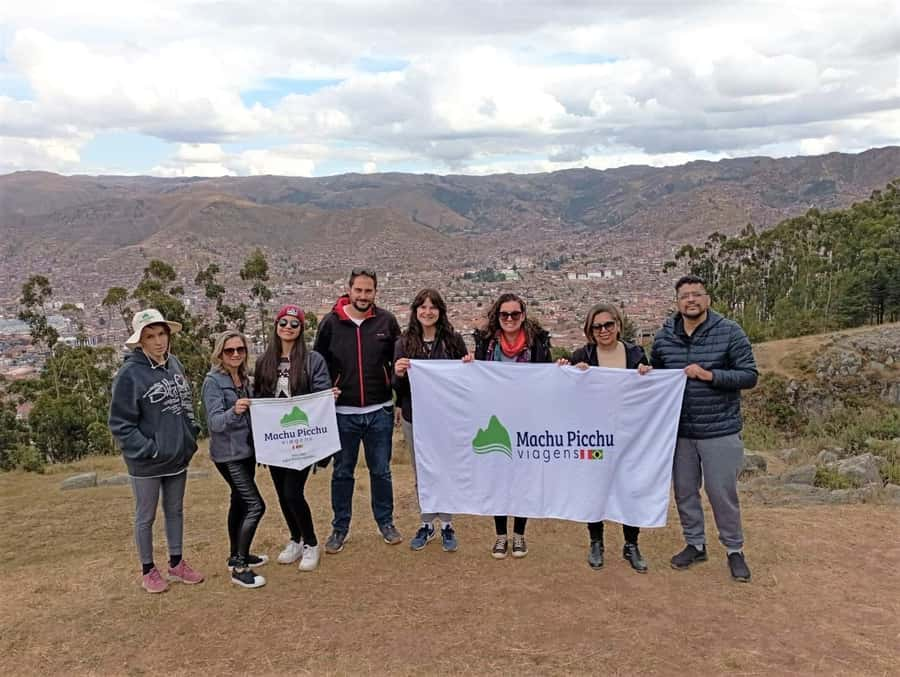
Reviewed · CUSCO CITY TOURS
City Tour in Cusco
Cusco’s past is written in its walls: Inca stonework supports colonial buildings, and a short ride from the center brings you to ceremonial sites and water channels built by the Incas. This four-hour tour links those layers, from Qorikancha and the Cathedral to the highland sites of Sacsayhuaman, Qenqo, Puca Pucara, and Tambomachay.
I like two things here: you get a guide to connect the sites to Cusco’s history, and round-trip transport saves you from arranging a route across several stops. The main caveat is that admission tickets cost extra, and one Portuguese-speaking customer reported being placed on a tour that was not in the language booked. Confirm your pickup point and tour language before the day.
Key points to know before you go
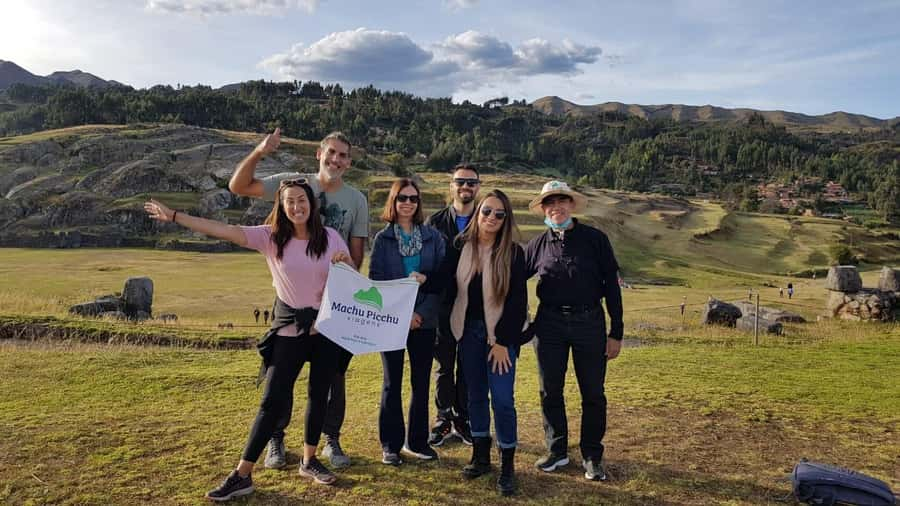
- The route packs in six landmark stops: Qorikancha, the Cathedral, Sacsayhuaman, Qenqo, Puca Pucara, and Tambomachay.
- The four-hour format is efficient: Transport links the historic center with the archaeological sites outside it.
- Admission is not included: Budget separately for entry tickets; the $20 price covers the listed tour services, not site access.
- The guide is meant to explain the layers: The tour is offered in Spanish, English, or Portuguese, with one bus per language.
- Pickup details matter: One customer had trouble getting the correct meeting information, so confirm your exact pickup location ahead of time.
- You can end near the center: Drop-off is at most Cusco hotels or, if preferred, Plaza de Armas.
Cusco’s Inca stones and colonial buildings
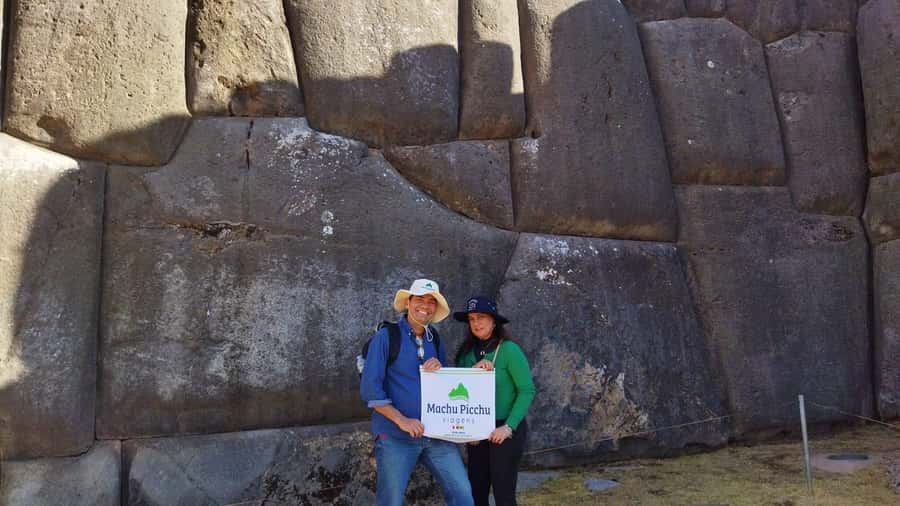
Cusco is easiest to understand when you see its two architectural stories side by side. In the historic center, Inca foundations and walls sit beneath or beside colonial buildings, making the city more than a collection of handsome facades. A guide can help you notice how conquest altered the city while leaving much of its older structure in view.
The tour starts in this central setting, where you’ll visit Qorikancha, the Temple of the Sun, and the Cathedral of Cusco. The shift between them is the point: one was the principal Inca place of worship, while the other represents Spanish colonial religious power. Their histories meet in the city’s architecture, including the Catholic church built above Qorikancha’s foundations and the Cathedral on the foundations of a former Inca palace.
I like that the route doesn’t treat these as unrelated photo stops. The guide can explain what each place meant and how the city changed. Still, four hours is a brisk amount of time for a center visit plus four archaeological sites. If you want long, unhurried visits inside each building, this may feel more like an orientation than a full study of Cusco’s monuments.
More Cusco city tours around Cusco:
- Cusco: Half-Day City Tour with Sacsayhuaman and Q’enco
★ 4.6 · 1,129 reviews - City Tour Cusco Qoricancha Sacsayhuaman y Tambomachay
★ 4.7 · 617 reviews - Open Bus Cusco City Tour
★ 4.5 · 219 reviews
Qorikancha: the Temple of the Sun
Qorikancha is the tour’s clearest introduction to the Inca and colonial layers. It was the Inca Empire’s principal worship center, and its foundations remain part of the site’s story even with a Catholic church now standing above them. That physical overlap makes the history unusually easy to picture.
Pay attention to the contrast between the Inca masonry and later construction. The tour description does not specify how much time is spent inside Qorikancha or what areas are included, so keep your expectations flexible. The guide’s interpretation will help you make sense of the site, but the visit is only one part of a packed half-day.
Admission tickets are extra. Check what you need to pay at the sites before setting out, as the $20 tour price does not cover entry.
The Cathedral and the city’s colonial chapter
The Cathedral of Cusco gives you another angle on the city’s transformation. It is described as an example of colonial baroque architecture, built on the foundations of an Inca palace. For you, that means the visit adds a second layer to the story rather than simply repeating Qorikancha’s.
The two central stops complement each other: Qorikancha brings the Inca religious center into focus, while the Cathedral shows the scale and style of colonial rule. A guide can explain the relationship between them in context, which is more useful than seeing each building as a standalone monument.
As with Qorikancha, admission is not included. The tour’s four-hour length also means you should not assume you’ll have extensive free time at either site. If these buildings are your main reason for visiting, consider how much detail you want and whether a separate, longer visit would suit you better.
Sacsayhuaman: monumental Inca construction
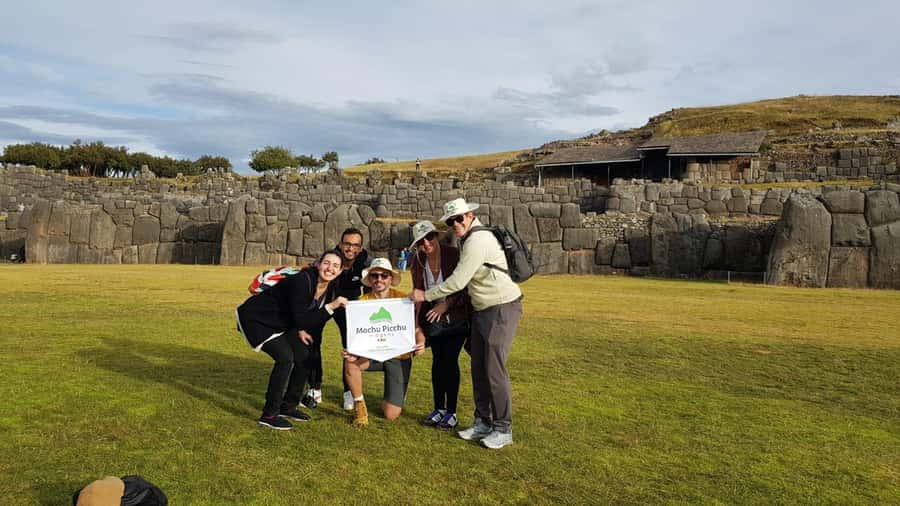
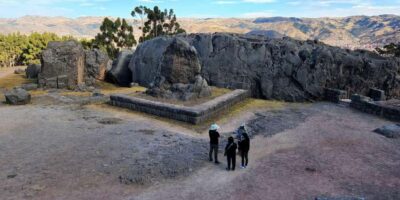
After the historic center, the tour heads to Sacsayhuaman, the ceremonial fortress above Cusco. Its massive stone construction is the kind of place that gives scale to the Inca story: the site is not just a few ruins, but a large, imposing structure that has endured over time.
This stop is valuable because it shifts your view from the city’s layered streets to a major Inca site in its own setting. The tour description calls attention to the skill involved in the megalithic construction. Your guide can help make the stones and their purpose more legible, especially if you’re new to Inca architecture.
The schedule is short, though. You’ll be moving among several sites in a single half-day, and the exact time allotted to Sacsayhuaman is not specified. If you want to linger, take notes, or explore at your own pace, a group route may feel fast. For a first visit, the advantage is coverage: you get an introduction without having to arrange transport between sites yourself.
More Cusco tours around Cusco:
- Cusco: Humantay Lake Tour with Breakfast and Buffet Lunch
★ 4.9 · 2,976 reviews - From Cusco: Sacred Valley & Maras Salt Mines Tour with Lunch
★ 4.8 · 2,227 reviews - From Cusco: Moray, Maras Salt Mines & Chinchero Weavers Tour
★ 4.8 · 1,925 reviews - From Cusco: Full-Day Group Tour of Machu Picchu
★ 4.7 · 1,767 reviews
Qenqo: a ceremonial site with a darker reputation
Qenqo adds a more mysterious stop to the route. It is described as a ceremonial center where rituals and sacrifices were believed to have taken place. The name and reputation give the site a somber tone, but the information available does not spell out which specific features you’ll see or how the ceremonies are interpreted.
That makes the guide especially useful here. Rather than treating Qenqo as a quick stop with a dramatic label, listen for the distinction between what is known about the site and what is believed about its use. The tour’s description frames it as a place of ritual significance, so it’s worth asking your guide how historians understand that evidence.
Qenqo is one of several stops beyond the center, so expect a compact visit. If you are especially interested in the ceremonial sites, you may want to ask how much time the group normally spends there before booking.
Puca Pucara and the highland view
The route continues upward to Puca Pucara, described as a place to see Cusco from above. The higher setting gives you a different perspective from the close-up stonework in the city. It also helps connect the central landmarks with the broader terrain around Cusco.
The provided details do not explain how long the stop lasts or specify which structures you’ll visit at Puca Pucara. Treat it as a short, guided introduction rather than a promise of an extended viewpoint stop. If views are a priority, ask how much time is planned there and whether the tour pauses long enough for photographs.
This is one reason the vehicle matters. The tour is designed to connect central Cusco with several sites outside it, and round-trip transport is included from most hotels. You avoid having to work out each leg on your own, although you should confirm whether your accommodation is among the pickup locations.
Tambomachay: water engineering still at work
Tambomachay is the final named archaeological stop, known for its Inca water engineering. The site has irrigation channels and three fountains that are still functioning, a practical reminder that Inca construction was not only monumental but also designed to manage water.
I find this a useful counterpoint to Sacsayhuaman. One site impresses through enormous stonework; the other makes you look closely at how water was directed and used. The fountains are described as the oldest functioning water fountains in Cusco, giving this stop a distinct focus within the route.
The visit is still part of a four-hour circuit, so don’t expect a long independent walk through the site. Your guide’s explanation can help you understand why the channels and fountains matter. If you enjoy engineering and everyday infrastructure as much as temples and fortresses, Tambomachay may be one of the tour’s most rewarding stops.
What the $20 price includes, and what it doesn’t
At $20 per person, the tour offers a guide, round-trip transport to and from most Cusco hotels, an air-conditioned vehicle, and a complimentary bottle of water. That’s useful value if you want to cover the historic center and several outlying sites without arranging each transfer separately.
The biggest extra cost is admission. Tickets are not included, and meals or other drinks are not included either. The final total will therefore be more than $20, so check current entry requirements and ticket prices when planning your budget. No admission amounts are provided here, so I wouldn’t guess at the added cost.
The value depends on what you need. If you’re comfortable arranging transport and prefer to explore at your own pace, you may find the guided circuit less essential. If you want an efficient overview with transport and a guide included, the price is more appealing, provided you account for entry fees.
The four-hour pace and practical details
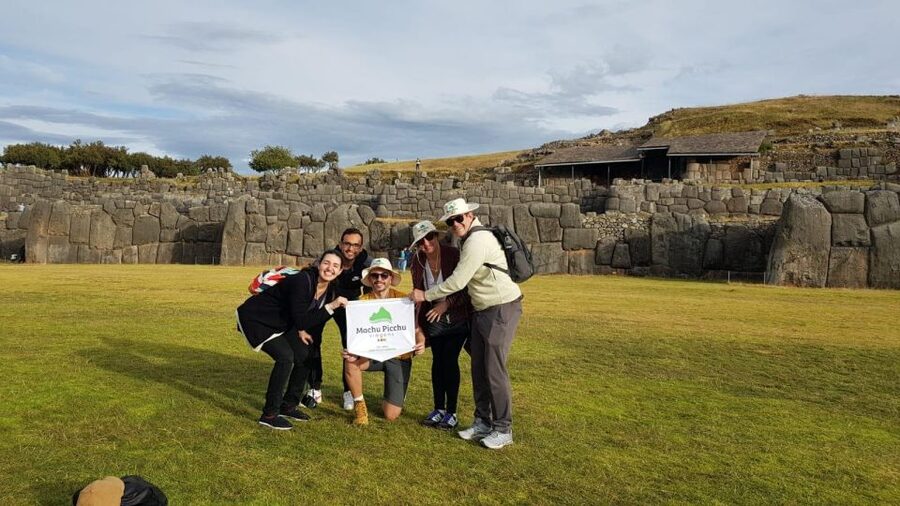
Four hours is a compact window for the historic center and the sites outside it. The advantage is that you can cover a broad range of Cusco’s Inca and colonial heritage in half a day, leaving time to continue exploring on your own. The trade-off is less flexibility at each stop.
A professional guide is offered in Spanish, English, or Portuguese, with one bus per language. That arrangement matters if you are booking for a family or group: language is not a minor detail when the main value of a guided visit is the explanation. One Portuguese-speaking customer said the tour was not conducted in Portuguese as booked, leaving her child unable to follow the commentary. The same customer found guide Fernando helpful and polite, but had difficulty getting the correct pickup location.
I would confirm both details directly before the tour: the language assigned to your bus and the exact pickup point. The experience is listed as wheelchair accessible, but the available details do not explain access conditions at each archaeological site, so ask for specific information if you need it.
You can be dropped at your accommodation or at Plaza de Armas. That choice is handy if you want to keep sightseeing in the center after the tour, rather than returning to your hotel.
Who will get the most from this tour
This tour suits you if you have limited time in Cusco and want a guided overview of its central landmarks and nearby Inca sites. It also works well if you value transport and prefer not to coordinate several journeys yourself. The route gives you a helpful first framework for deciding which places deserve a longer return visit.
Families may appreciate the mix of buildings, fortresses, ceremonial sites, and fountains, but the language needs to match the people who will be listening. If your child or companion relies on a particular language, confirm it rather than assuming the assignment will be correct. The reported issue is a useful reminder that the tour’s language options only help if the bus arrangement matches your booking.
You may prefer another approach if you want lengthy visits, a slow pace, or a detailed focus on just one or two sites. This is a broad sampler, not a private deep exploration of each stop. Admission costs also make it important to compare the total expense, not just the advertised $20.
Should you book the Cusco city tour?
I’d book this tour if you want a practical half-day introduction to Qorikancha, the Cathedral, Sacsayhuaman, Qenqo, Puca Pucara, and Tambomachay, and you value having transport and a guide arranged together. The combination of Inca masonry, colonial buildings, ceremonial sites, and working water channels gives you a good cross-section of Cusco’s past.
Before booking, factor in admission fees and get the pickup point and guide language confirmed in writing. If those details are clear, the tour is a useful way to see a lot in four hours. If you want to linger at every site or need complete control over timing, explore independently or choose a more focused visit.
FAQ
How long is the tour?
The tour lasts four hours.
Which sites are included?
The route includes Qorikancha, the Cathedral of Cusco, Sacsayhuaman, Qenqo, Puca Pucara, and Tambomachay.
What languages are offered?
Guides are offered in Spanish, English, or Portuguese. There is one bus per language.
Is transportation included?
Yes. Round-trip transport is included to and from most Cusco hotels, in an air-conditioned vehicle. You can also be dropped at Plaza de Armas.
Are admission tickets included in the $20 price?
No. Admission tickets, meals, and drinks are not included. A complimentary bottle of water is provided.
Is the tour wheelchair accessible?
The activity is listed as wheelchair accessible. For details about access at individual sites, contact the provider.
Just added around Cusco
- Zipline over the Sacred Valley Trip★ 5.0 · 11 reviews
- Visit Pisac from Cusco: Private Transport★ 4.6 · 9 reviews
- TRIP FROM PUNO TO CUSCO WITH THE ROUTE OF THE SUN★ 4.7 · 16 reviews
- Vinicunca Mountain Tour – Full Day Tour to Rainbow Mountain★ 3.4 · 4 reviews
- Valle Sur Cusco | half day★ 4.3 · 3 reviews
- Trek to Choquequirao 4 days★ 3.8 · 4 reviews
- Trek to Humantay Lake from Cusco★ 4.9 · 8 reviews
- Transfer from Cusco to Ollantaytambo★ 5.0 · 30 reviews
Cusco City Tours, compared.
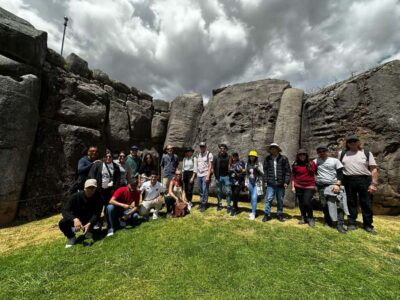
Half-Day City Tour with Sacsayhuaman and Q’enco
Read our review →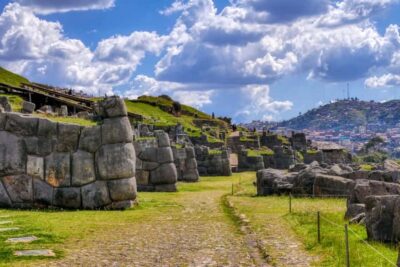
City Tour Cusco Qoricancha Sacsayhuaman y Tambomachay
Read our review →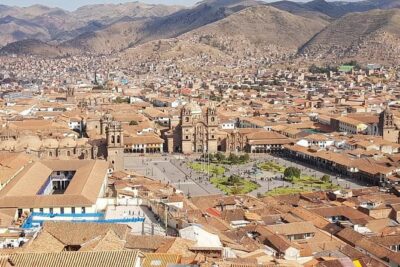
City Tour | Half-Day Tour to 4 Archaeological Sites
Read our review →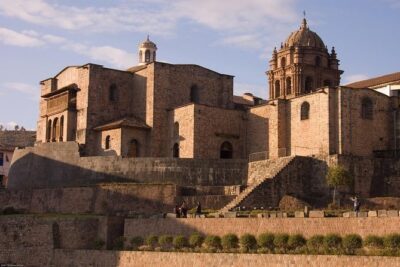
City Tour in Cusco & visit Museum South American Camelid Private.
Read our review →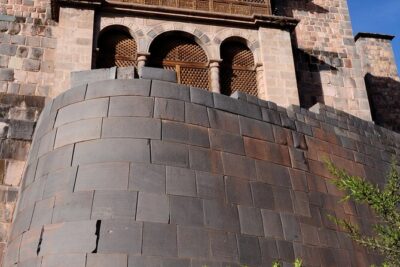
Cusco City Sightseeing, San Pedro Market, Cathedral and Qorikancha Temple
Read our review →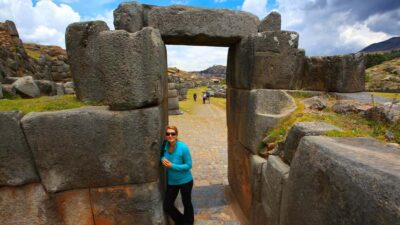
Browse the lists this tour appears in