
Reviewed · WORKSHOPS
Cusco: Bean to bar chocolate workshop
A chocolate bar begins as a bitter cacao bean, and this workshop lets you handle the steps that turn one into the other. In two hours, you roast, peel, grind, and refine cacao, then make your own organic chocolates to take away.
I like two things in particular: you get to do the work rather than just watch a demonstration, and you can taste hot chocolate along the way, including drinks called the Maya and the conquistadores. The hands-on process also gives the workshop a strong connection to older methods, including grinding cacao on a metate.
One consideration: two hours is a short introduction, not a farm visit or an in-depth course in chocolate making. The workshop focuses on the cacao-to-chocolate process and does not specify a visit to cacao-growing fields.
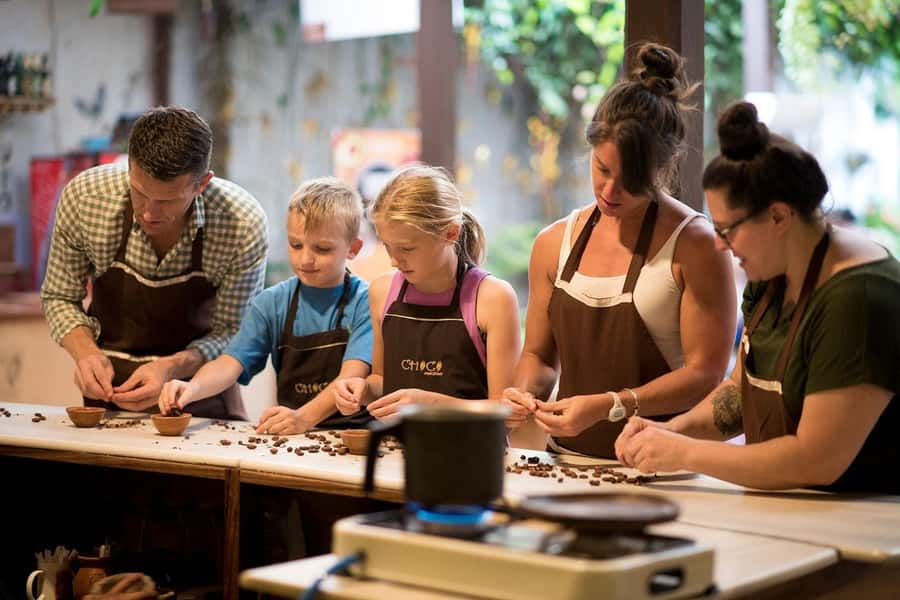
- Roast and peel the beans: Start with cacao in its less familiar form before it becomes a bar.
- Grind on a metate: Use a mano to crush cacao nibs by hand, following a method associated with the Aztecs.
- See four stages of chocolate making: The process runs from roasting and husking to grinding and refining.
- Make a bar your way: Choose ingredients for your own chocolate, then take it home.
- Taste hot chocolate: The workshop includes hot chocolate, with drinks named the Maya and the conquistadores.
From cacao bean to chocolate bar in Cusco
Cusco is known for fine chocolate, and this workshop offers a practical way to understand what that reputation involves. Rather than treating chocolate as a finished sweet, you follow its transformation from cacao bean to paste and bar. That change is the main attraction: you get to see, smell, and handle the stages that are usually hidden behind a wrapper.
The class takes place in a chocolate workshop and museum, with a professional guide leading the process. You can choose an English- or Spanish-language session. The experience lasts two hours, so it fits into a Cusco day without taking over the schedule, though it is best seen as a focused introduction rather than a full course.
The steps are straightforward, but each one helps explain why chocolate making takes more work than melting a bar. You roast cacao beans, remove their husks, grind the nibs, and refine the resulting paste. The sequence makes the end product more legible: when you taste the chocolate later, you know some of the labor and transformation behind it.
Roasting, peeling, and grinding by hand
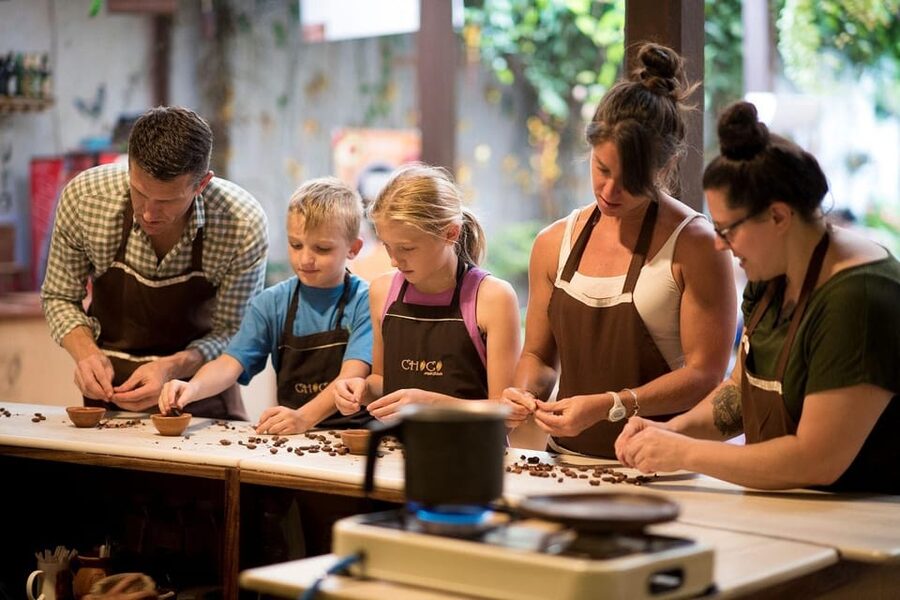
The first stages put you close to the raw material. You roast the cacao beans, then remove their husks. These are simple actions, but they help you understand how the bean changes before it becomes chocolate. Instead of beginning with a polished product, you start with cacao that still needs work.
Next comes the grinding. You use a metate and mano, a stone surface and hand-held grinding tool, to crush cacao nibs. This method is described as the same way the Aztecs did it. The detail adds a historical thread to the class, but the real value is practical: you get a feel for the effort involved in turning solid pieces of cacao into a paste.
The workshop also includes a melangeur, which refines the cacao paste. That step shows how hand grinding fits into a broader process. The class introduces four stages rather than asking you to master every technical detail, so expect a guided overview with hands-on tasks, not a professional chocolatier’s training.
A five-star account of the class describes roasting, peeling, and grinding the cacao before making chocolate paste for hot chocolate. That sequence is a useful guide to the experience’s strongest feature: you do more than mold a finished mixture. You take part in the work that creates the base.
More sweet treat tours around Cusco:
- Chocolate Workshop in Cusco with Premium Organic Cacao
★ 5.0 · 75 reviews - Cusco: Chocolate Workshop with the Best Local Organic Cacao
★ 4.5 · 23 reviews - 1.5h Cusco Chocolate Workshop – Truffles & Hot Chocolate
★ 4.3 · 8 reviews
Making hot chocolate and your own bar
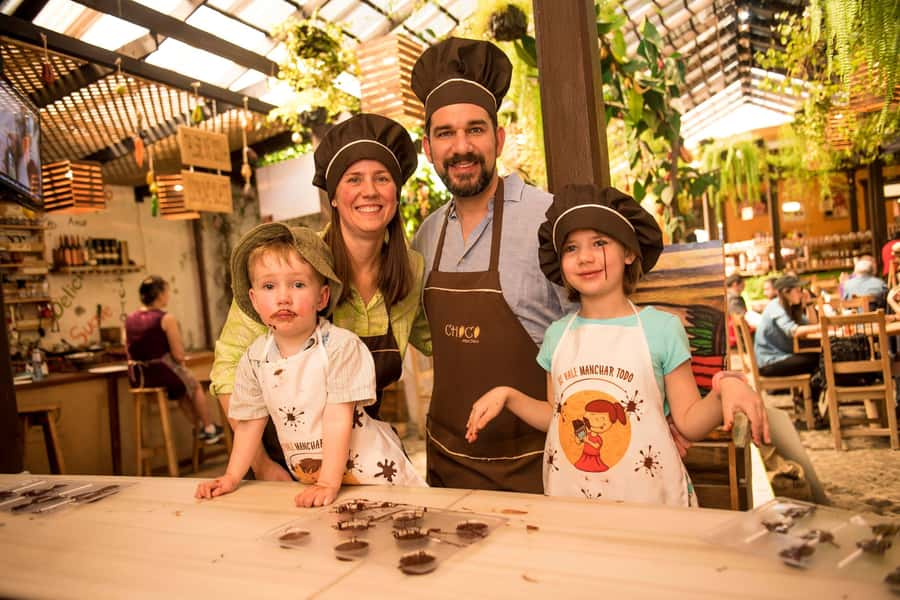
Once the cacao has been worked into paste, the workshop turns toward tasting and making. You create hot chocolate and make a chocolate bar with your choice of ingredients. The ability to tailor the bar is a small but welcome detail. You are not simply handed a standard sweet at the end; you get to make something that suits your own taste.
The class also features drinks called the Maya and the conquistadores. Their names suggest a historical angle, but the details of their recipes are not specified. Think of them as part of the tasting experience rather than a guaranteed lesson in the exact ingredients or customs behind each drink.
Hot chocolate is a particularly useful part of the process because it lets you taste the cacao in a different form from the finished bar. The class connects the paste you have helped make with a drink you can enjoy on the spot. It is one thing to hear that cacao changes through roasting and grinding; it is more memorable to taste what those steps produce.
You can take your handmade chocolates home, unless you eat them first. That gives the workshop a modest souvenir advantage: the takeaway is not a generic item bought in a shop, but something you helped make. Keep in mind that the tour information does not specify how many pieces or bars you make, or how they are packaged.
What the two-hour format gives you
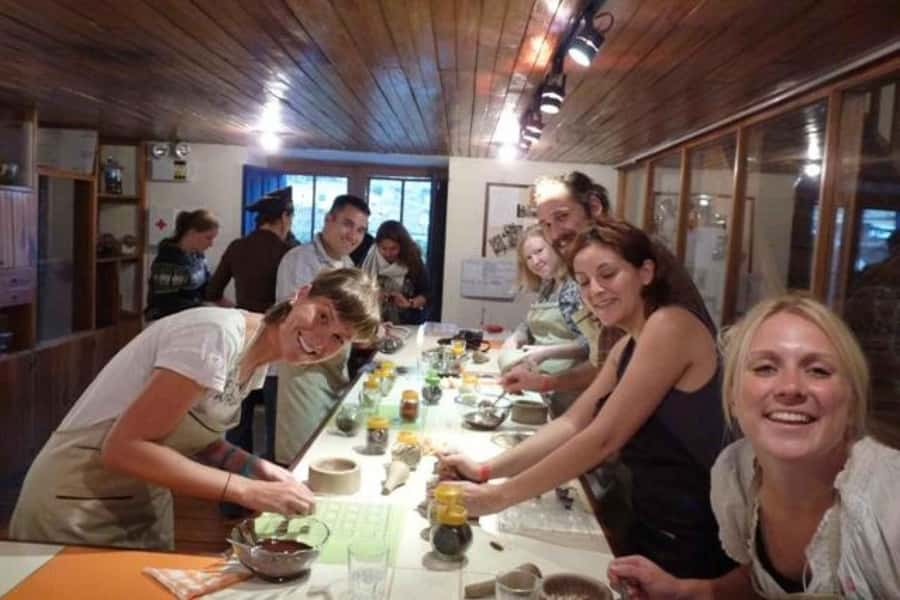
Two hours is enough to follow the basic sequence and take part in the main hands-on stages, while leaving room for tasting and molding. It is also a manageable length if you want a break from Cusco’s larger excursions. You can add a compact indoor activity to a day of sightseeing without committing to a full-day outing.
The trade-off is depth. The experience covers cacao history and four stages of chocolate production, but there is no stated farm visit, long fermentation lesson, or detailed account of every step used by commercial makers. If you want a technical course or a visit to a cacao plantation, this is not described as that kind of trip.
The small amount of available feedback praises the class as informative and fun, with particular emphasis on making chocolate paste from beans that participants had roasted, peeled, and ground. That is exactly the kind of hands-on detail that helps set expectations. The class is not only a tasting, and the work is part of the point.
Who is likely to enjoy this workshop
I would put this on the list if you are curious about food, enjoy practical demonstrations, or want a short activity that gives you more than a tasting flight. It is also a natural fit for chocolate fans who want to understand how cacao becomes a bar, rather than just sampling finished products.
You do not need to arrive with specialist knowledge. The guide explains the process, and the steps themselves provide a clear structure. If you enjoy learning by doing, the sequence from roasting to molding should hold your attention. If you prefer a quick tasting with no preparation or manual work, this class may feel more involved than you want.
The language choice is useful for planning: tours are offered in English and Spanish. The provider is Uyuni Experience EIRL. No group size is specified, so you should not assume the class is private or that you will have one-on-one instruction.
More drinks tours around Cusco:
- Cusco Pub Crawl: Bar Tour, Drinks And Club with no waiting lines
★ 5.0 · 76 reviews - Cusco: Pub Crawl with Skip-the-Line Access and Drinks
★ 4.6 · 57 reviews
Making sense of the value
The price is not provided here, so I cannot judge whether the workshop is a bargain at a specific rate. Its value depends on what you want from a two-hour activity. You are paying for a guided introduction, hands-on access to the cacao-making stages, drinks, and chocolates you make yourself. If those elements matter to you, the workshop offers more than a simple chocolate tasting.
The experience is less compelling if your main goal is to see where cacao grows. The stated program is based in a workshop and museum, and it does not include transportation to a farm or a cacao-growing site. Nor does the information specify how much chocolate you will take home, so treat the handmade bar as a pleasant extra rather than a large supply of souvenirs.
For flexible planning, you can reserve now and pay later, and cancellation is available up to 24 hours in advance for a full refund. Starting times depend on availability. If you are booking at the last minute, check availability with the supplier by email first. Make sure your contact number includes your country code and that you have WhatsApp, as requested for communication.
A good fit between bigger Cusco outings
Cusco’s headline trips often involve long days, early starts, or substantial time on the road. This workshop is a different sort of outing: a compact indoor activity built around food, craft, and history. It can make sense between major excursions, especially if you want a change of pace without giving up a chance to learn something local.
Its strongest point is the balance between explanation and participation. You hear about cacao, but you also roast, peel, and grind it. The metate and mano give the process a tangible historical connection, while the hot chocolate and custom bar bring the lesson back to your own senses and tastes.
There is only a small pool of feedback available, so I would keep expectations measured rather than treating one enthusiastic assessment as proof that every session is identical. Still, the activity is clearly built around the steps that the strongest account singled out: making the paste yourself, then using it for hot chocolate and chocolate making.
Should you book it?
Book this workshop if you want a short, guided, hands-on look at how cacao becomes chocolate, and if making your own bar sounds more fun than simply buying one. The roasting, peeling, metate grinding, and tasting give the two hours a clear purpose, while the take-home chocolates make a personal souvenir.
Skip it if you are seeking a cacao farm visit, a long technical course, or a precisely specified tasting menu. The details provided do not promise those things. For curious eaters and chocolate fans with two hours to spare in Cusco, though, this is a practical way to turn a familiar treat into something you understand a little better.
FAQ
How long does the workshop last?
The workshop lasts two hours.
What languages are available?
A live guide is available in English or Spanish.
What will I do during the workshop?
You will roast cacao beans, remove their husks, grind cacao nibs on a metate with a mano, and refine the cacao paste in a melangeur. You will also make hot chocolate and a chocolate bar.
Can I take the chocolates home?
Yes. You can take home the chocolates you make, unless you eat them during the experience.
Are drinks included?
The workshop includes hot chocolate, and the activity highlights drinks called the Maya and the conquistadores.
Can I cancel for a refund?
You can cancel up to 24 hours in advance for a full refund.
What should I do if I want to book at the last minute?
Check availability with the supplier by email before booking. Provide your phone number with its country code and have WhatsApp.
More hands-on workshops around Cusco
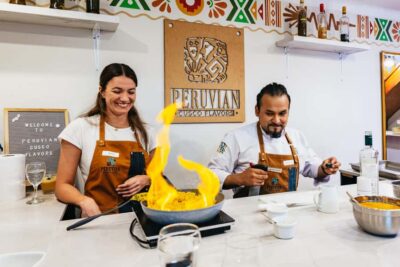
- Cusco: Peruvian Cooking Class, Cocktails & Local Market Tour
★ 4.9 · 512 reviews - Cooking class and market tour with a local chef
★ 5.0 · 186 reviews - The First Class Machu Picchu Train by Inca Rail
★ 4.0 · 182 reviews - The Textile Workshop Experience in Cusco Region
★ 5.0 · 118 reviews
Just added around Cusco
- Zipline over the Sacred Valley Trip★ 5.0 · 11 reviews
- Visit Pisac from Cusco: Private Transport★ 4.6 · 9 reviews
- Valle Sur Cusco | half day★ 4.3 · 3 reviews
- TRIP FROM PUNO TO CUSCO WITH THE ROUTE OF THE SUN★ 4.7 · 16 reviews
- Vinicunca Mountain Tour – Full Day Tour to Rainbow Mountain★ 3.4 · 4 reviews
- Trek to Choquequirao 4 days★ 3.8 · 4 reviews
- Trek to Humantay Lake from Cusco★ 4.9 · 8 reviews
- Exclusive Huayna Picchu Tour in 1 Day from Cusco★ 5.0 · 31 reviews
Workshops, compared.
Peruvian Cooking Class, Cocktails & Local Market Tour
Read our review →
Cooking class and market tour with a local chef
Read our review →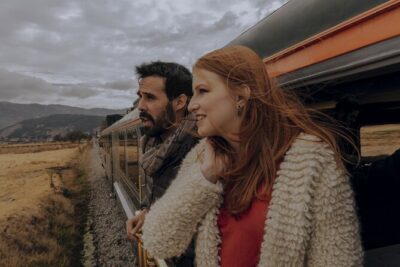
The First Class Machu Picchu Train by Inca Rail
Read our review →
The Textile Workshop Experience in Cusco Region
Read our review →
Sacred Valley Textile Workshop – Dyeing & Weaving in Cusco
Read our review →
Chocolate Workshop in Cusco with Premium Organic Cacao
Read our review →
Pisco Sour Secrets: Hands-On Mixology in Historic Cusco
Read our review →Browse the lists this tour appears in