
Reviewed · WORKSHOPS
Sacred Valley Textile Workshop – Dyeing & Weaving in Cusco
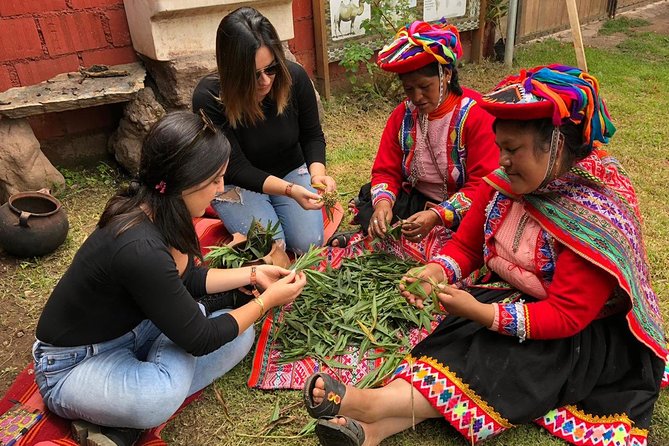
The heart of this day is not watching someone else weave. You collect plants for dye, work with alpaca yarn, and try a backstrap loom under the patient guidance of master weavers. The workshop is associated with Ruth Pimentel, presented as a leading guardian of Peru’s Indigenous textile traditions.
I like two things in particular: you take part in several stages of the craft, and the day makes room for conversation and a shared meal with the women who teach it. The countryside drive adds a welcome change from Cusco’s streets, though it can take more than an hour each way.
The price is $420 per person, a serious outlay for a craft class. It makes more sense if you value private transport, lunch, personal instruction, and a finished piece, not just a short demonstration. Plan for a full day, and be ready to sit on the floor for stretches while weaving.
What makes this workshop distinctive
- You gather plants for dye: Learn which local leaves and botanicals are used, then help prepare them for the dye bath.
- You work through the textile process: Depending on the session, activities can include preparing wool, spinning, dyeing yarn, and weaving.
- You learn at a backstrap loom: The technique is traditional and takes practice. Patient instruction helps, but the weaving itself can be challenging.
- Local artisans lead the teaching: Ruth Pimentel and other master weavers are associated with the workshop. Facilitators named during visits have included Nayda, Delia, and Edwin.
- Lunch and drinks are included: A shared meal, plus coffee or tea, gives the day a relaxed social pause.
- Private transport starts the day: Hotel pickup is offered, with an 8:30 am start and a drive into the Sacred Valley.
From Cusco to the Sacred Valley workshop
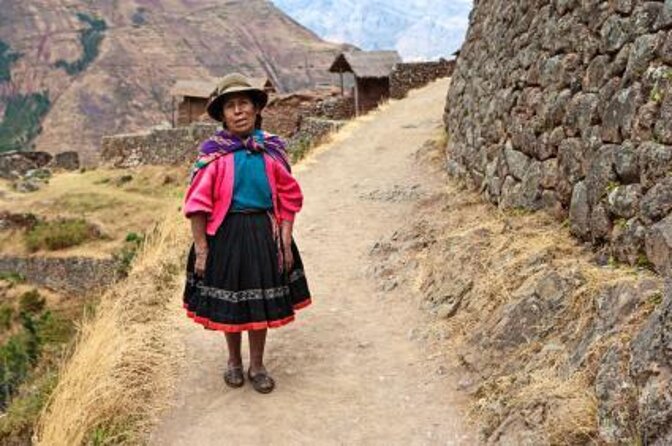
Your day begins at 8:30 am, with private transport offered for the trip from Cusco. The workshop is in the Sacred Valley area, with Calca and Patabamba named as locations connected to the experience. The drive has taken some participants around an hour and a half, so do not treat this as a quick class just outside town.
That time on the road is part of the day’s appeal. You leave the city behind for open countryside and mountain views, and some outings include brief photo stops. But the journey also affects your schedule: an eight-hour activity can feel like a full day once travel time is added. Keep your evening plans light, especially if you are counting on being back in Cusco at a precise hour.
The pickup is useful if you are unfamiliar with the area or do not want to sort out local transport. The experience is described as private, meaning only your booked group participates. If you are travelling alone, the workshop may still be available to you, though the details of group arrangements can vary.
More Sacred Valley tours around Cusco:
- From Cusco: Sacred Valley & Maras Salt Mines Tour with Lunch
★ 4.8 · 2,227 reviews - Cusco: Sacred Valley, Pisac, Ollantaytambo, Salt Mines Moray
★ 4.6 · 1,058 reviews - Sacred Valley: Maras & Moray by Quad Bike from Cusco
★ 4.6 · 418 reviews
Meeting the weavers and learning the story
At the workshop, you are welcomed by the local team and introduced to the textile traditions behind the day’s activities. Ruth Pimentel is presented as a prominent Indigenous master weaver, and the workshop is framed around preserving skills passed through generations of Andean women.
The teaching is practical, but the context matters. Textile-making is not one trick performed at a loom. It involves knowledge of fibers, plants, color, preparation, and the time required to build a pattern. You get a clearer sense of that whole chain when you meet the artisans and see their work up close.
A guide or facilitator may translate and help connect you with the weavers. Names associated with past sessions include Nayda, Delia, Edwin, and Ruth, alongside other local teachers. The specific people leading your day may vary. The strongest part of this format is the opportunity to ask questions while the artisans demonstrate and help you try each step.
This is also a social visit, not simply a technical lesson. You may share conversation, learn a little about Quechua customs, or hear about plants used for purposes beyond dyeing. Bring curiosity and patience. You are there to learn from skilled makers, not to master a complex tradition in one afternoon.
Gathering plants and preparing natural dyes
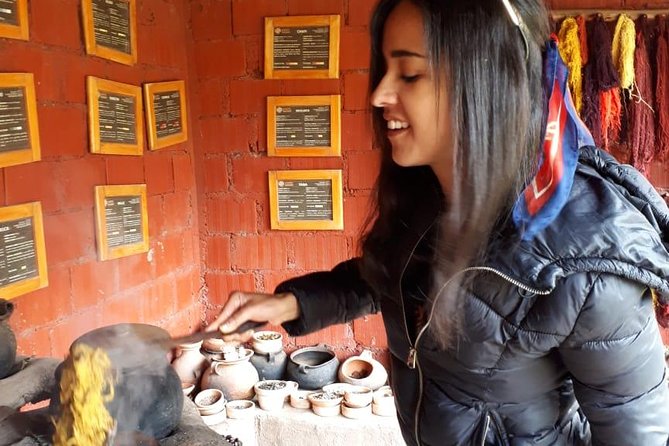
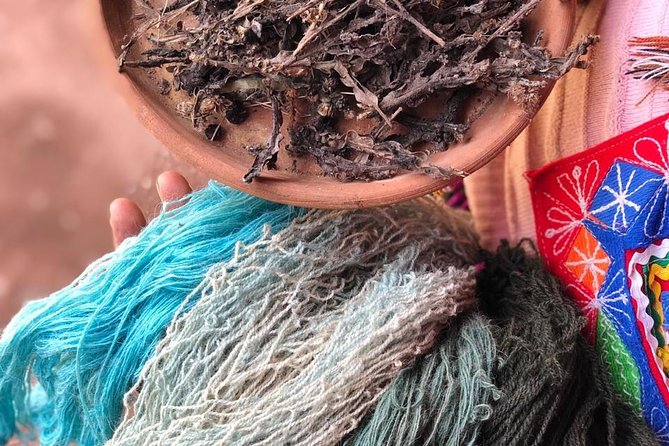
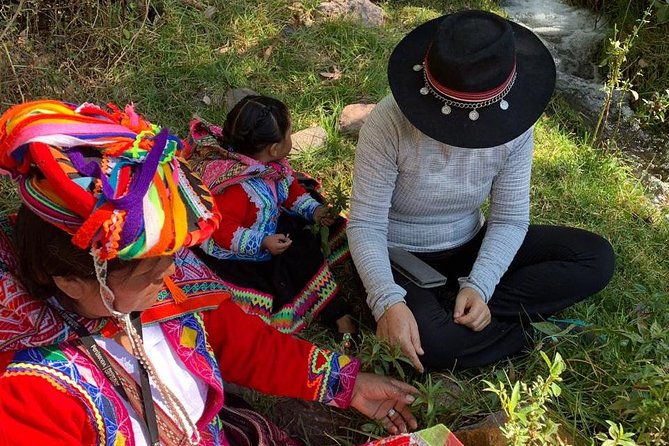
One of the most memorable parts is going outside to collect leaves or other botanical materials for the dye process. You do not just receive a finished skein and a quick explanation. You help gather ingredients, prepare the dye, and see how natural materials can change the color of yarn.
The exact plants and colors depend on what is available in the season. That makes the process more grounded in place than a classroom exercise with a fixed set of materials. You can see how the local environment informs the craft, and why knowledge of plants is part of a weaver’s skill.
The day may also include handling alpaca wool, preparing yarn, and learning to spin. These steps give useful context for the weaving that follows. A textile begins long before the loom, and working with the fiber helps you appreciate the labor hidden in a finished garment or textile.
Do not expect every part to be effortless. Preparing fiber and dye takes care, and you will probably need guidance. That is the point: even a small amount of hands-on work makes it easier to understand why fine textiles require patience and practiced hands.
Lunch, conversation, and a slower pace
Lunch is included, along with coffee or tea. It is served as part of the day rather than as a rushed stop between activities. Food is often described as home-cooked and generous, and sharing it with the weavers gives you time to talk beyond the mechanics of dyeing and weaving.
This pause is valuable. A full day of instruction can feel like a workshop with a clock running, but a meal shared at the center gives the visit a more personal rhythm. You are not only learning how a textile is made; you are spending time with the people who make it.
The food itself may vary. Do not assume a particular menu, although some participants have described fresh local ingredients and a substantial meal. If you have dietary needs, the details provided do not specify how they are handled, so ask the operator before booking.
More hands-on workshops around Cusco:
- Cusco: Peruvian Cooking Class, Cocktails & Local Market Tour
★ 4.9 · 512 reviews - Cooking class and market tour with a local chef
★ 5.0 · 186 reviews - The First Class Machu Picchu Train by Inca Rail
★ 4.0 · 182 reviews - The Textile Workshop Experience in Cusco Region
★ 5.0 · 118 reviews
Trying the backstrap loom
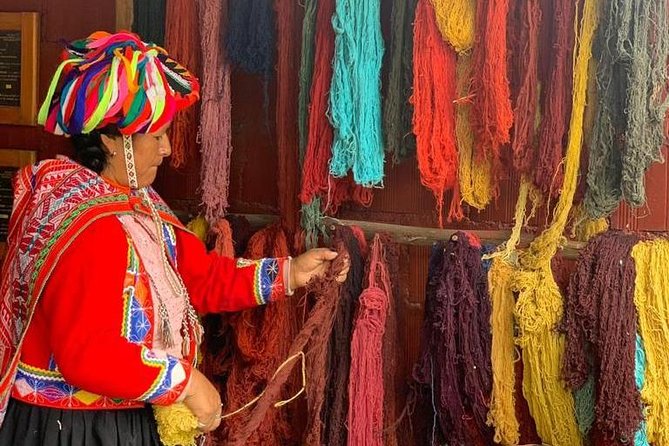
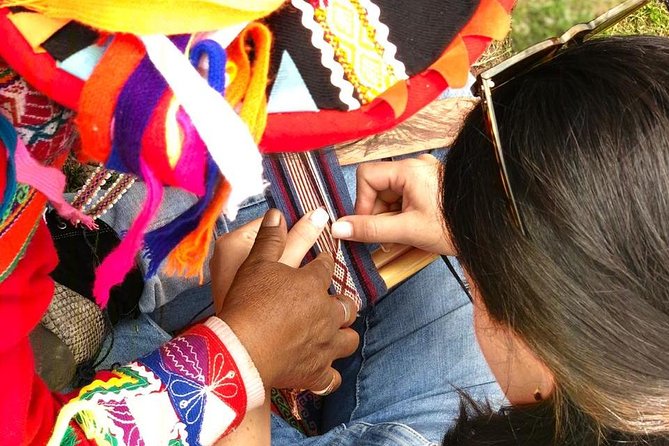
After dyeing and preparation, you move to weaving. The backstrap loom is the traditional method taught here, and it is a hands-on lesson rather than a performance. The weavers show you how to set up and work the loom, then help you build your own small piece.
Expect a learning curve. The technique calls for coordination and attention, and some people find it surprisingly difficult at first. That challenge is useful: even a bracelet or bookmark represents careful work, and a few hours of trying the method can change how you look at larger textiles.
You may make a bracelet, bookmark, headband, or another small item, depending on the session and the chosen project. Past participants have also taken home yarn they dyed themselves. The experience description promises a finished bespoke textile piece, presented with elegant packaging and a signed provenance card, but the exact project can differ. If you have your heart set on a specific item, confirm it before the day.
The weaving is commonly done sitting low or on the floor, and you may remain in that position for a while. If sitting on the floor is difficult for you, ask the operator in advance about the setup. The general participation note says most people can take part, but it does not spell out specific accommodations.
A shared cultural day, not just a craft class
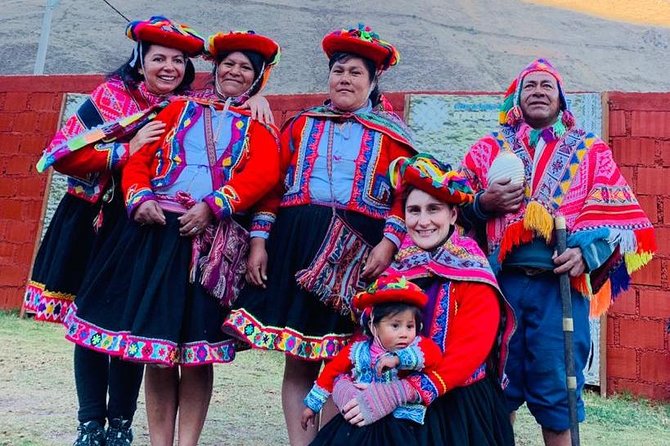
The workshop can include traditional clothing, music, or dancing at the end of the visit. These details are not the main reason to book, but they can add a warm close to a day spent learning together. The focus remains on the craft and the people who teach it.
If you are wary of cultural visits that feel staged, it is reasonable to think about how the day is structured. Here, you take part in the work, eat with the local team, and have time to ask questions. The artisans are the teachers, not scenery. That does not make every cultural encounter automatically perfect, but this format gives you a more active and respectful role than simply observing from the sidelines.
You can also look at handmade goods at the workshop. Buying directly from the makers is a practical way to support their work, and the prices have been described as less steep than some visitors expected. There is no obligation to purchase. If you do buy something, you can ask who made it and how it was produced.
Is $420 worth it?
At $420 per person, this is among the more expensive craft activities you might consider in Cusco. The price needs to cover more than a short demonstration: private transport, a full-day visit, instruction from master weavers, materials, lunch, and a textile you work on yourself are all part of the package.
The value is strongest for someone who wants active participation and cultural context. If textiles are a serious interest, or you enjoy making things by hand, the chance to gather dye plants, prepare yarn, and try a backstrap loom can justify the cost. It also suits people who want a structured day with transport and food arranged.
The arithmetic is less compelling if you mainly want a quick look at traditional weaving or a cheap souvenir. You can find woven items without spending a full day at a workshop. The distinction here is that you learn about the work and take part in it, with support from the people who practice it.
The experience is booked, on average, about 30 days ahead. That is a useful planning signal if this is a priority for your Cusco itinerary. Free cancellation is available until 24 hours before the start time; cancellations inside that window are not refunded. Poor weather can lead to a different date or a full refund.
Who will enjoy the day most
I would put this high on the list for textile enthusiasts, art and craft fans, families interested in making something together, and anyone who wants a more personal cultural activity than another round of ruins. You do not need weaving experience. The instructors guide beginners, and the point is to try the process, not produce professional work.
It can also suit a solo visitor. The private format and welcoming teaching style make it possible to participate on your own, though you should confirm what the booking arrangement means for your date. Couples and small groups may particularly enjoy the shared making and meal.
Think twice if you have a tight schedule, strongly dislike long drives, or cannot sit comfortably for a period. The road trip and the floor-based weaving are not minor details. They are part of the day, and knowing that in advance helps you decide if the tradeoff works for you.
Should you book this textile workshop?
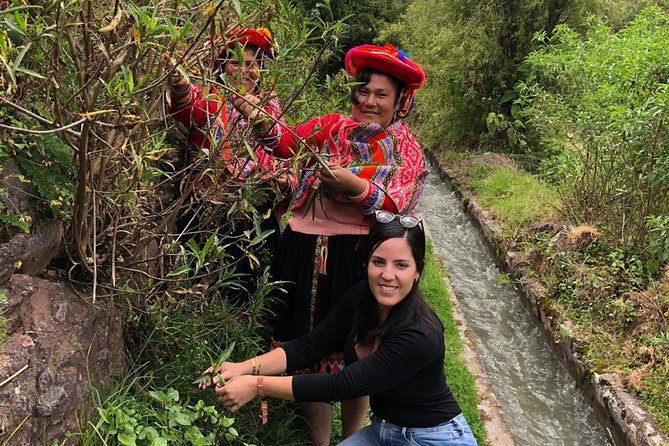
Book it if you want to learn by doing, value time with local artisans, and can give the day the space it needs. The best reasons are the hands-on sequence from plant gathering to weaving, the patient teaching, and the shared meal. You leave with more than a small textile: you have a better sense of the skill and labor behind Andean cloth.
Skip it if your priority is a brief activity, low cost, or a tightly timed day in Cusco. For everyone else, especially anyone drawn to textiles or thoughtful cultural exchange, this is a strong use of a day in the Sacred Valley. Confirm the pickup, exact workshop location, and expected finished piece before booking.
FAQ
How long does the workshop take?
The experience lasts about eight hours. The drive from Cusco can take more than an hour each way, so plan for a full day.
What time does it start?
The stated start time is 8:30 am.
Is hotel pickup included?
Private hotel pickup is offered for an easy start. Confirm the pickup details with the operator when booking.
Where does the workshop take place?
It takes place in the Sacred Valley area near Cusco. Calca and Patabamba are locations associated with the workshop.
What will I make?
You take part in making a textile piece. Past projects have included bracelets, bookmarks, and headbands, and some participants have taken home yarn they dyed. The specific item can vary.
Is lunch included?
Yes. Lunch and coffee or tea are included.
Do I need weaving experience?
No prior experience is specified as a requirement. Master weavers guide participants through the process, and most travelers can participate.
Can I cancel for a refund?
You can cancel for a full refund at least 24 hours before the experience starts. Cancellations made less than 24 hours before the start time are not refunded.
Just added around Cusco
- Zipline over the Sacred Valley Trip★ 5.0 · 11 reviews
- Visit Pisac from Cusco: Private Transport★ 4.6 · 9 reviews
- TRIP FROM PUNO TO CUSCO WITH THE ROUTE OF THE SUN★ 4.7 · 16 reviews
- Vinicunca Mountain Tour – Full Day Tour to Rainbow Mountain★ 3.4 · 4 reviews
- Valle Sur Cusco | half day★ 4.3 · 3 reviews
- Trek to Choquequirao 4 days★ 3.8 · 4 reviews
- Trek to Humantay Lake from Cusco★ 4.9 · 8 reviews
- Transfer from Cusco to Ollantaytambo★ 5.0 · 30 reviews
Workshops, compared.
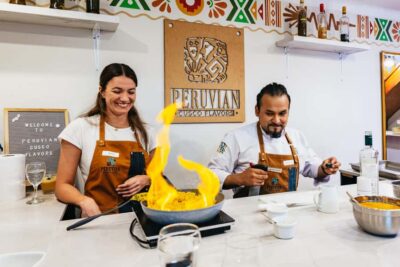
Peruvian Cooking Class, Cocktails & Local Market Tour
Read our review →
Cooking class and market tour with a local chef
Read our review →
The First Class Machu Picchu Train by Inca Rail
Read our review →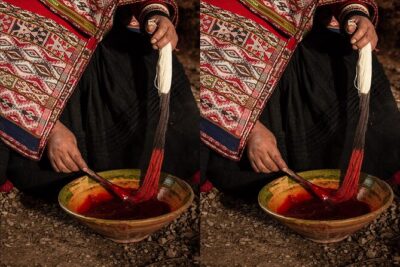
The Textile Workshop Experience in Cusco Region
Read our review →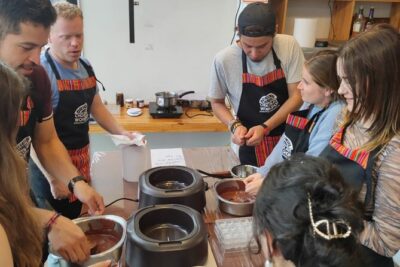
Chocolate Workshop in Cusco with Premium Organic Cacao
Read our review →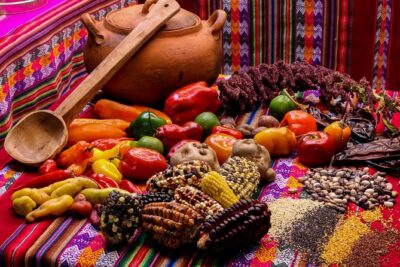

Pisco Sour Secrets: Hands-On Mixology in Historic Cusco
Read our review →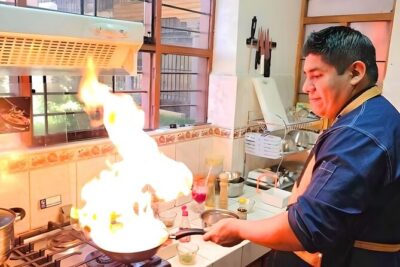
Vegan Peruvian Cooking Class Cocktails and Local Market in Cusco
Read our review →Browse the lists this tour appears in