Reviewed · CUSCO TOURS
Excursion to the Planetarium of Cusco | New experience
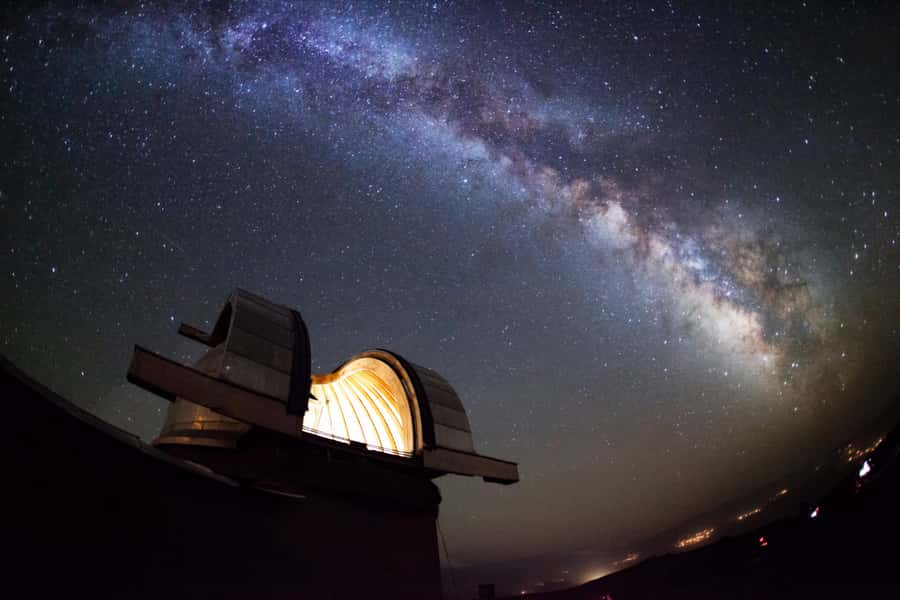
Cusco’s night sky gives this outing its special appeal: you’ll learn how the Incas understood the constellations, then look toward the real sky through professional telescopes if the weather cooperates. It’s a chance to connect astronomy with the region’s pre-Inca and Inca past, not just gaze at stars.
I like two things in particular: the virtual sky projection, which helps make the constellations easier to follow, and the mix of indoor interpretation with a night outdoors. A small group of up to 10 also means the evening should feel more personal than a large bus tour.
One point to weigh is the timing. The tour is advertised as four hours, but some outings have returned to central Cusco in under two hours, so don’t plan your evening around a full four-hour activity without confirming the schedule.
- Inca constellations take center stage: The guide introduces Andean astronomy before a projection on the planetarium dome.
- Telescope viewing depends on the sky: Cloud and weather conditions can affect the final outdoor portion.
- The group is limited to 10: A small outing suits travelers who prefer a quieter guide-led experience.
- The evening starts near the center: Pickup is described at Plaza Regocijo between 5:30 and 6:00 PM.
- Allow for a shorter-than-advertised visit: The stated duration is four hours, but the return may be much earlier.
- The price is $39 per person: Transport and planetarium admission are included; meals and insurance are not.
Inca constellations, not just a telescope session
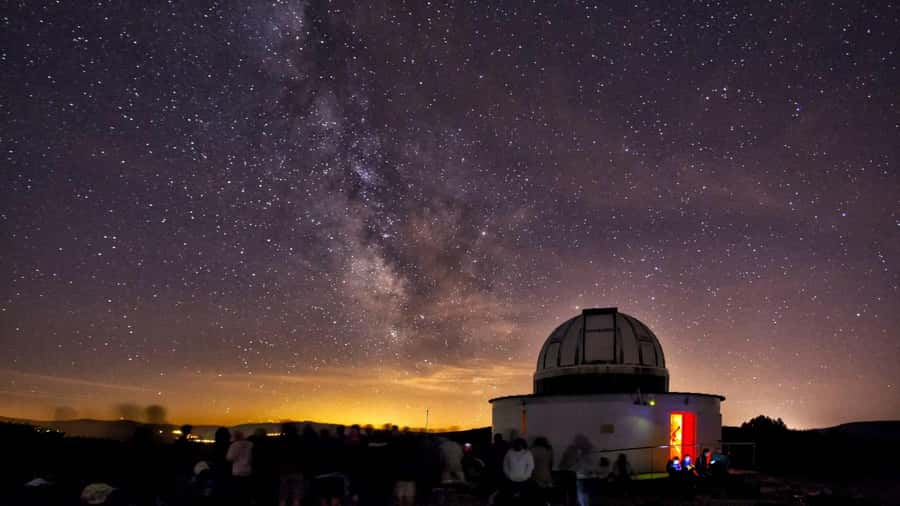
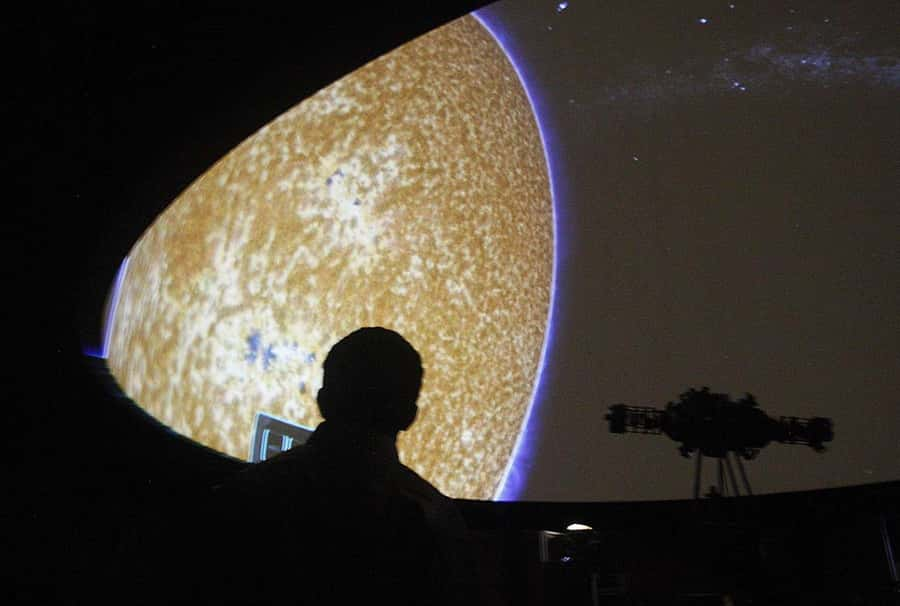
The Cusco Planetarium excursion works best if you’re curious about how people in the Andes interpreted the sky. The program begins indoors, where you hear about Inca astronomy in the interpretation rooms. A virtual projection on the planetarium dome then lays out the constellations and gives you a visual guide before you step outside.
That order matters. Looking through a telescope can be memorable, but a planetarium presentation gives the stars a human context. You’re not simply being shown bright points in the dark; you’re learning about the patterns and meanings associated with the Inca sky. The experience also touches on pre-Inca technology, a subject that one visitor especially appreciated.
The tour’s strengths are its blend of history and science and the chance to follow the lesson with real-sky viewing. Just keep expectations measured: the information may be fairly focused, rather than a long, detailed lecture on every way the Incas used astronomy.
From Plaza Regocijo to the planetarium
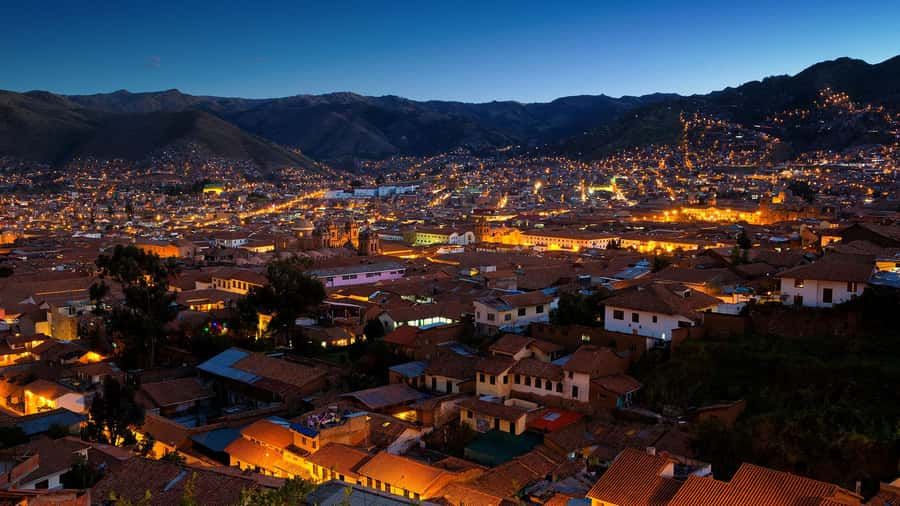
The evening is scheduled to begin with pickup at Plaza Regocijo between 5:30 and 6:00 PM. From there, a shuttle takes you to the planetarium, which is described as less than 20 minutes from the city. That short ride makes the outing an easy addition to a Cusco stay, without committing to a long drive beyond town.
There is a detail worth checking before you book. Hotel pickup is listed as included, but the tour description also gives Plaza Regocijo as the meeting point, and one person who booked a version advertised with hotel pickup did not receive it. To avoid a muddled start, confirm your exact pickup point with Chullos Travel Cusco rather than assuming a hotel collection is arranged.
The group limit of 10 is useful here. It keeps the transport and guided portion relatively small, and makes it easier to follow a presentation or ask a question than in a large coach group. The available details do not name the guide, but the tour is offered in English and Spanish.
More Cusco tours around Cusco:
- Cusco: Humantay Lake Tour with Breakfast and Buffet Lunch
★ 4.9 · 2,976 reviews - From Cusco: Sacred Valley & Maras Salt Mines Tour with Lunch
★ 4.8 · 2,227 reviews - From Cusco: Moray, Maras Salt Mines & Chinchero Weavers Tour
★ 4.8 · 1,925 reviews
Inside the dome: a guided view of the Inca sky
At the observatory, the first stop is the interpretation rooms for a talk on Inca astronomy. The aim is to introduce the way the Incas understood constellations before you see them on the dome. For visitors who have already spent days among Cusco’s archaeological sites, this can add a different angle to the region’s past: one focused on the sky rather than stonework.
Next comes the virtual projection. The dome is used to show the Inca constellations, making it easier to see how the patterns fit together than you might find while trying to pick them out outdoors. It also gives the guide a shared visual reference for explaining the subject.
The experience’s historical depth may vary with the talk and your own interests. One person found the history and science behind pre-Inca technology beautiful; another felt there was little explanation of how the Incas used the constellations. I’d go expecting a concise introduction, not a full course in Andean astronomy. If that subject is a major reason for booking, ask what the current presentation covers.
Telescope time depends on the weather
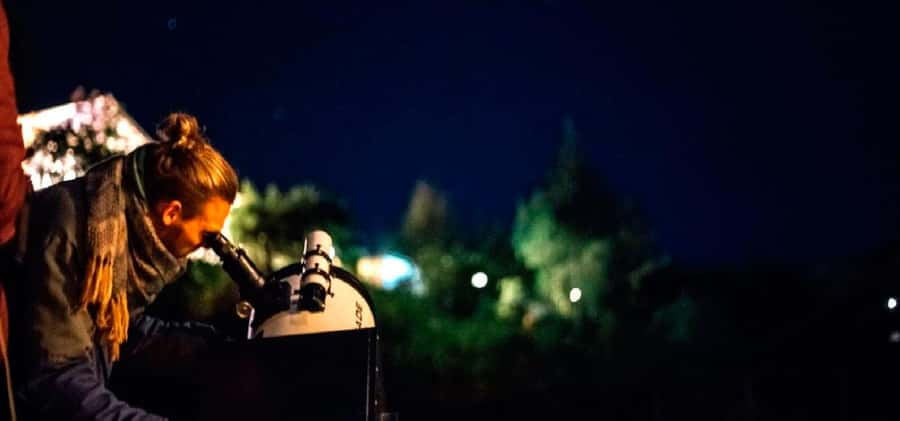
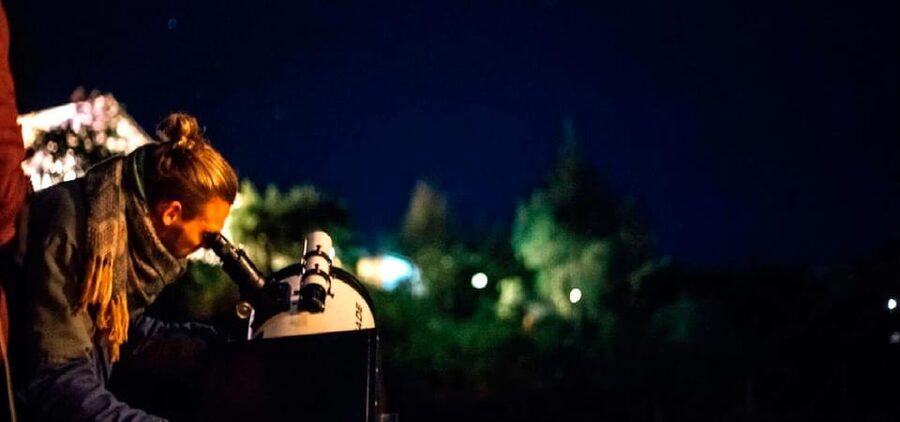
After the dome show, the tour moves outdoors to view the sky with the planetarium’s professional telescopes. This is the part many people will look forward to most, but it is explicitly subject to weather conditions. The program cannot guarantee a clear sky, so think of telescope viewing as a possible highlight, not a promise.
One person described stargazing with large telescopes and said blankets were provided. That sounds welcome for an evening outdoors, but it is wise to bring a warm layer rather than count on blankets being available every time. The supplied details do not specify what happens if clouds prevent viewing, so you may want to ask whether the indoor program changes in that case.
The outdoor portion also gives the earlier explanation a practical payoff. Once you have seen the constellations represented on the dome, looking up at the real sky can help connect the lesson to the place you’re visiting. Still, this is not a long night of observation. The main experience is the guided introduction, projection, and a telescope session when conditions allow.
A four-hour listing, with a shorter evening in practice
The stated duration is four hours, but the described schedule gives a more compact outline: pickup between 5:30 and 6:00 PM, followed by a return to Cusco’s Plaza de Armas at about 8:00 PM. That schedule suggests roughly two to two and a half hours from pickup to return, depending on the precise start time.
Actual outings may be shorter still. Two people reported being back in central Cusco in under two hours, including transportation, and felt the visit itself lasted about an hour and a half or less. Their disappointment came less from the subject than from expecting a longer activity. This is the most important planning detail: treat the four-hour duration as an estimate that may not match the time you spend on the excursion.
If your evening is tightly scheduled, ask the operator how long the current departure usually takes and when you should expect to be back. If you have a free night, a shorter outing may be a pleasant way to add something different to a Cusco itinerary. Either way, don’t build dinner reservations or another timed activity around the full four hours without checking.
Same base, a different kind of day out:
- From Cusco: Full-Day Group Tour of Machu Picchu
★ 4.7 · 1,767 reviews - Machu Picchu Day Trip from Cusco
★ 4.5 · 1,644 reviews - Cusco: Half-Day City Tour with Sacsayhuaman and Q’enco
★ 4.6 · 1,129 reviews - Cusco: Sacred Valley, Pisac, Ollantaytambo, Salt Mines Moray
★ 4.6 · 1,058 reviews
Is $39 a fair price?
At $39 per person, the price includes tourist transport, planetarium admission, and a guide speaking English or Spanish. You’re paying for a specialized evening activity with an indoor astronomy program and the possibility of telescope viewing, rather than a lengthy excursion with several stops. Meals, travel insurance, and extra expenses are not included.
Value depends on what you want from the evening. If you’re interested in Inca astronomy and would enjoy seeing the constellations explained before looking through a telescope, the combination can justify the price. The small group is another plus, and the short ride from central Cusco keeps travel time modest.
The price feels less compelling if you expect several hours at the observatory, an extensive history lesson, or guaranteed telescope viewing. The overall rating is 3.3 from only three ratings, so it offers a limited snapshot rather than a firm verdict. The critical comments focus on a short visit and limited explanation, while the strongest praise goes to the history, science, and outdoor stargazing. Consider those tradeoffs, and confirm the likely duration and pickup arrangements before paying.
Who will enjoy this Cusco evening?
I’d recommend this outing to you if you’re interested in astronomy, want a cultural activity after a day in the city, or are looking for something different from another museum or archaeological stop. It should suit couples, families, or solo visitors who are happy with a small guided group and understand that weather affects the outdoor part.
It may be a weaker match if you want a long, highly detailed lecture on Inca uses of astronomy or a guaranteed session under clear skies. The program does include an astronomy talk and dome projection, but the depth of explanation can matter a great deal if you’re booking primarily for the history. For telescope viewing, a cloudy evening can change the experience.
The activity is conducted in English or Spanish, and alcohol and drugs are not allowed. You can cancel up to 24 hours in advance for a full refund, and the reserve-now, pay-later option lets you hold a place without paying immediately. Those terms are helpful, but they don’t replace checking the practical details of pickup and duration.
Should you book the Cusco Planetarium excursion?
Book it if a compact evening about Inca constellations sounds appealing and you’re comfortable treating telescope viewing as weather dependent. The strongest reasons to go are the dome projection, the link between astronomy and Andean culture, and the chance to use professional telescopes.
Before you commit, confirm whether you’ll meet at Plaza Regocijo or be collected at your hotel, and ask how long the outing is currently taking. At $39, it can be a worthwhile change of pace, but it is best approached as a focused evening visit, not a four-hour stargazing expedition.
FAQ
How much does the excursion cost?
The price is $39 per person.
How long does the tour last?
The advertised duration is four hours, but the return to central Cusco may happen in under two hours. The described schedule gives a return to Plaza de Armas at about 8:00 PM after a 5:30 to 6:00 PM pickup.
Where does pickup take place?
The schedule describes pickup at Plaza Regocijo. Hotel pickup is also listed as included, so confirm your exact pickup point with the operator before the excursion.
What languages are available?
The guide speaks English and Spanish.
Is telescope viewing guaranteed?
No. Telescope viewing is subject to weather conditions.
What is included in the price?
Tourist transportation, planetarium admission, and a guide who speaks English or Spanish are included. Hotel pickup is also listed, though the meeting-point details should be confirmed.
Can I cancel for a refund?
Yes. You can cancel up to 24 hours in advance for a full refund.
Just added around Cusco
- Zipline over the Sacred Valley Trip★ 5.0 · 11 reviews
- Visit Pisac from Cusco: Private Transport★ 4.6 · 9 reviews
- TRIP FROM PUNO TO CUSCO WITH THE ROUTE OF THE SUN★ 4.7 · 16 reviews
- Vinicunca Mountain Tour – Full Day Tour to Rainbow Mountain★ 3.4 · 4 reviews
- Valle Sur Cusco | half day★ 4.3 · 3 reviews
- Trek to Choquequirao 4 days★ 3.8 · 4 reviews
- Trek to Humantay Lake from Cusco★ 4.9 · 8 reviews
- 2 Day – Short Inca Trail to Machu Picchu – Group Service★ 5.0 · 30 reviews
Cusco Tours, compared.
Humantay Lake Tour with Breakfast and Buffet Lunch
Read our review →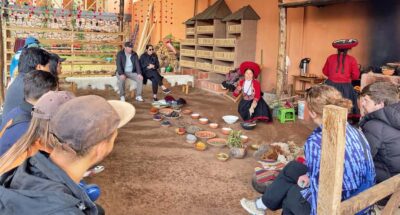
Sacred Valley & Maras Salt Mines Tour with Lunch
Read our review →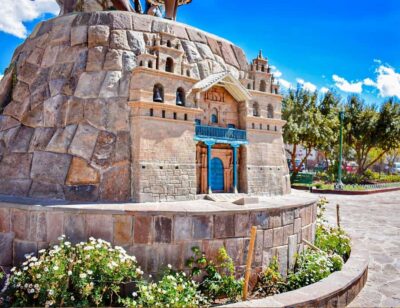
Moray, Maras Salt Mines & Chinchero Weavers Tour
Read our review →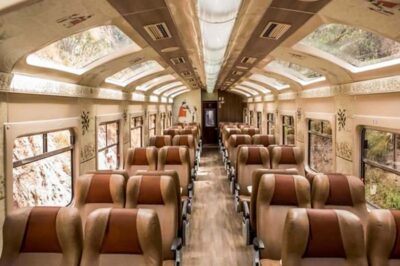
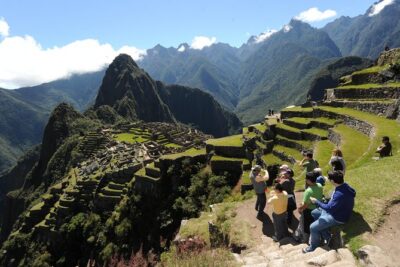
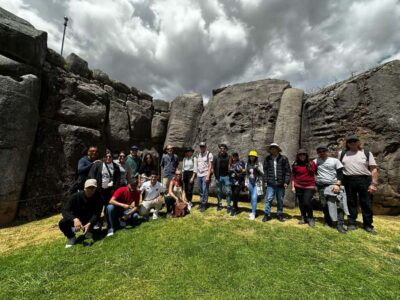
Half-Day City Tour with Sacsayhuaman and Q’enco
Read our review →
Sacred Valley, Pisac, Ollantaytambo, Salt Mines Moray
Read our review →