
Reviewed · CUSCO
Cochahuasi Animal Sanctuary® Admission Ticket
Cochahuasi’s most memorable lesson is that rescue does not always mean release. Some animals arrive too injured or too used to people to survive in the wild, so a sanctuary becomes their permanent home. I like the guide-led stories behind the animals, and I like that a visit can fit into a short Cusco outing without taking up a whole day.
The hard part is seeing animals in enclosures, some of which may feel small or poorly kept. If you expect a spacious nature reserve, adjust your expectations: this is a working rescue center, and the experience is as much about the animals’ difficult histories as it is about seeing them.
- Rescue stories put the animals in context: Your local guide explains how the animals came to the sanctuary and whether they may return to the wild.
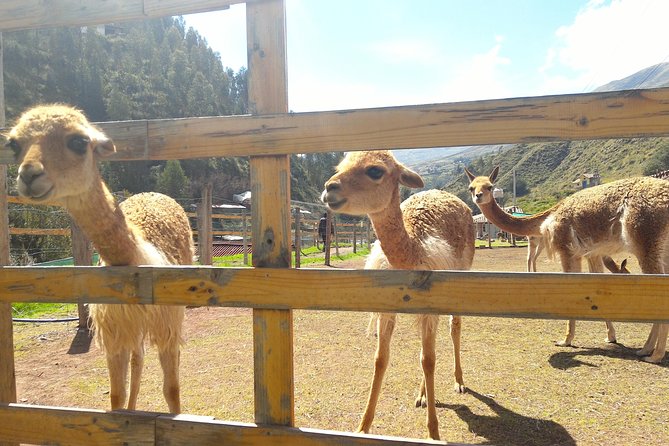
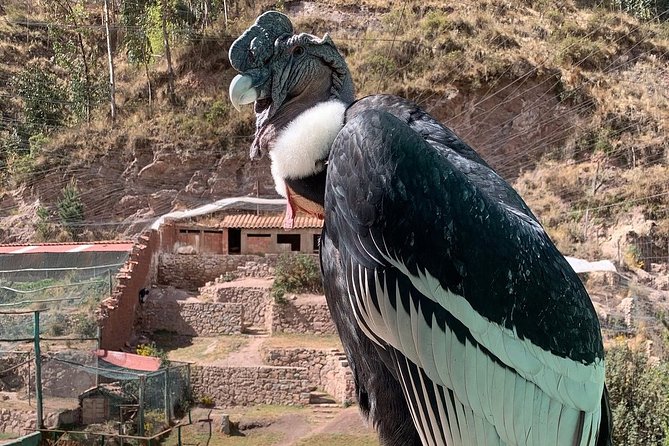
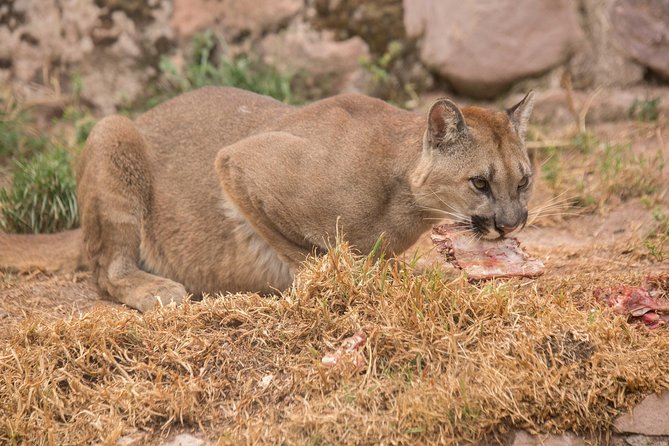
- Andean species are the main attraction: Expect animals such as condors, pumas, bears, monkeys, llamas, and alpacas.
- The visit is short but guided: Set aside about 45 minutes to 90 minutes, depending on your pace and questions.
- Plan your return ride from Cusco: The sanctuary is roughly 30 minutes away, and arranging a driver to wait can spare you a long ride-search afterward.
- Some interactions may cost extra: Alpaca feeding or petting has been offered for an additional fee, so check before paying if that matters to you.
- The experience is not polished: You may find close animal encounters compelling, but the enclosures and grounds may disappoint if you expect a large, landscaped facility.
The stories behind Cochahuasi’s rescued animals
This is a small sanctuary visit with a serious purpose. Cochahuasi cares for animals rescued from abuse, illegal trafficking, abandonment, or other harmful situations. The guide’s explanations help you understand why an animal is here, what care it needs, and whether release is possible.
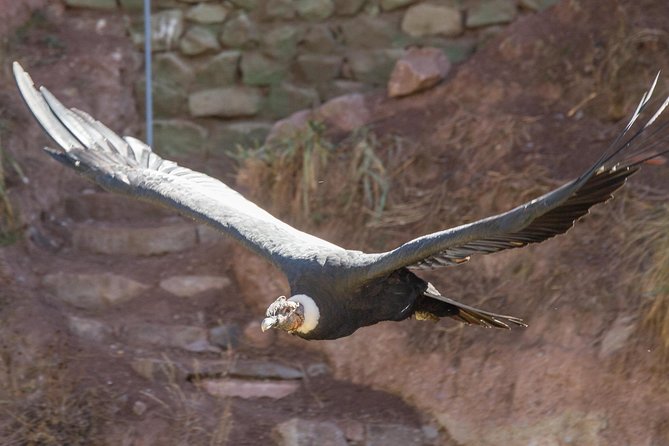
That context matters. A puma or condor behind a barrier can look like a simple viewing stop until you learn why it cannot safely return to the wild. Some animals have lasting injuries; others have become too accustomed to humans. For them, ongoing care is not a temporary pause before release. It is the alternative to a life they could not manage outside the sanctuary.
One of the starkest examples involves two pumas rescued from a disco in Lima, where their teeth and claws had been removed. The sanctuary made dentures so they could eat meat. That is a painful story, but it makes the purpose of the center hard to miss: these animals are not here because they make convenient attractions. They are here because people harmed them, and they need long-term care.
I’d approach the visit with curiosity and a little patience. The animals’ histories are a central part of what you are paying to learn, not an optional introduction before the photo opportunities.
What a 45 to 90 minute visit includes
A local guide is included with admission, and the visit follows a guided walk through the sanctuary. You can expect the guide to introduce the animals, explain their circumstances, and describe their current status. The size of the group is capped at 15, which gives you a better chance to hear the explanations and ask questions than you would in a large tour group.
The advertised visit length is about 45 minutes to 90 minutes. A quick walk-through may take roughly 45 minutes; if you stop often or have questions, allow closer to an hour and a half. This makes Cochahuasi relatively easy to fit into a free afternoon in Cusco, though the drive adds time on both ends.
The experience is guided rather than a wander through a large park. The sanctuary is also described as something you can explore at your own pace, but the included local guide is an important part of the visit. Don’t expect a self-directed wildlife center with extensive grounds or a long list of exhibits.
Some accounts describe a guide with excellent English, and the sanctuary’s owner has also guided groups. But no particular guide or language is guaranteed in the details provided, so ask when arranging your visit if English-language explanations are essential.
More tickets and passes around Cusco:
- Machu Picchu Entrance Ticket
★ 4.5 · 108 reviews - Machu Picchu: Tour Guide Service & Entrance Ticket Circuit-2
★ 4.6 · 90 reviews - Machu Picchu Private Tour from Aguas Calientes (Tickets included)
★ 5.0 · 84 reviews
Animals you may see, and what close encounters mean
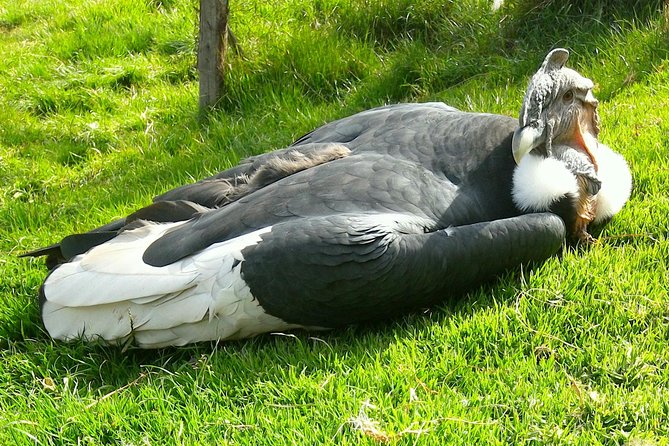
The animals named at Cochahuasi include condors, pumas, bears, monkeys, llamas, and alpacas, among other Andean wildlife. Seeing a condor at close range can be a striking change from spotting one high in the sky. The alpacas offer a gentler point of connection, and some visitors have paid extra to feed or pet them.
Treat those interactions as optional, not as a guaranteed part of admission. The basic ticket includes entry and a local guide, not food or drinks, and the animal interaction described at the sanctuary costs extra. If feeding or petting is a priority for you, check what is currently available and what it costs before you arrive.
The more challenging aspect is the enclosures. Some people feel the spaces are small, and one account describes the grounds as poorly maintained. Another describes the animals as safe and well cared for. That difference in perception is worth taking seriously: the sanctuary’s rescue mission does not automatically settle questions about enclosure size or upkeep.
Go prepared to look closely and think critically. You may find that learning why an animal cannot be released changes how you see its enclosure. You may also feel uneasy about the limits of the space. Both reactions can be true at once.
The guide makes a short visit more meaningful
Without an explanation, the sanctuary could feel like a series of animals behind barriers. With a guide, the visit becomes a set of individual rescue stories. You hear which animals may be rehabilitated and released, and which need a permanent home because of injury or behavior.
That makes the guide’s role central to the value of your admission. The most helpful questions are practical and specific: How did this animal arrive? What care does it need? Is release possible? The sanctuary team is described as passionate about the animals and willing to talk about their care, so it is worth asking rather than hurrying through.
The guided format also helps explain the realities of wildlife rescue. A center may not look like an ideal natural habitat, but it may still provide care to animals that cannot survive in the wild. That does not mean you should ignore concerns about cleanliness or enclosure space. It means you can weigh those concerns alongside the animals’ histories and the work being done to care for them.
Getting there from Cusco takes a little planning
Cochahuasi is about 30 minutes from Cusco by car, making it a straightforward outing if you arrange transport in advance. The key practical tip is to plan your return ride too. A visitor who took an Uber there did not realize how remote the sanctuary was and worried about being stranded.
One simple approach is to ask a taxi driver to wait while you visit. A ride arranged that way has cost around 100 soles total for the trip and waiting time, but that is an individual example, not a fixed fare. Agree on the price and wait time with your driver before leaving Cusco. If you prefer an app-based ride, arrange the return in advance rather than assuming another car will be close by.
The visit itself is short, so a waiting driver can make the outing easy to manage. If you are combining it with other plans, leave enough time for the drive and the full 45 to 90 minutes at the sanctuary.
Same base, a different kind of day out:
- Cusco: Humantay Lake Tour with Breakfast and Buffet Lunch
★ 4.9 · 2,976 reviews - From Cusco: Sacred Valley & Maras Salt Mines Tour with Lunch
★ 4.8 · 2,227 reviews - From Cusco: Moray, Maras Salt Mines & Chinchero Weavers Tour
★ 4.8 · 1,925 reviews - From Cusco: Full-Day Group Tour of Machu Picchu
★ 4.7 · 1,767 reviews
Is the $10 admission good value?
At $10 per person, the ticket is modestly priced for a guided wildlife visit and a chance to support a rescue center. You are paying for admission and a local guide, not a meal or transportation. The guide’s stories are what give the experience its value: without them, you might see animals but miss why they live there and what the sanctuary is trying to do.
There is a price detail worth checking. One account says admission purchased at the sanctuary cost 20 soles per person, compared with $10 through the booking option. Prices can change, and the two amounts use different currencies, so compare the current price before you choose where to pay. Booking ahead is presented as a way to avoid waiting in line, though it is not a promise that you will walk straight in at every time of day.
The ticket also contributes to a cause, but I would not treat that alone as proof that every aspect of animal care is ideal. If you are concerned about conditions, use the visit to observe the enclosures and ask the guide direct questions. You can also choose whether to make an additional donation; extra giving is appreciated, but it is not required for admission.
Who will get the most from this stop
Cochahuasi is a good fit if you care about wildlife, want a short outing from Cusco, and are willing to hear difficult stories about abuse and trafficking. Families can visit, but children must be accompanied by an adult. The stated physical fitness level is moderate, so plan for some walking around the sanctuary rather than assuming it is a seated presentation.
It is less suitable if your main goal is to see animals roaming across a broad natural area, or if small enclosures would make the visit uncomfortable. The sanctuary’s rescue work is the reason to go, but the setting may not match the image some people have of a spacious wildlife refuge.
For me, the strongest reason to go is the guided explanation of how rescue works when release is not possible. The close look at condors and other Andean animals adds interest, but the stories are what turn a brief stop into something you can think about after you leave.
Should you book Cochahuasi?
Book it if you want a compact, guided look at rescued Andean wildlife and are comfortable balancing the sanctuary’s purpose with questions about its facilities. The roughly 30-minute ride from Cusco and the 45 to 90 minute visit make it manageable, but arrange transport both ways before setting out.
Skip it if you expect a large, polished wildlife park or would rather not see animals in enclosures. If you do go, ask the guide about rehabilitation and release, check the current admission price, and confirm any extra-cost animal interactions before paying.
FAQ
How long does a visit to Cochahuasi take?
Plan for about 45 minutes to 90 minutes. The exact time depends on how long you spend with the guide and how many questions you have.
What is included in the admission ticket?
Admission includes a local guide. Food and drinks are not included.
How much does the ticket cost?
The listed price is $10 per person. One account gives an on-site price of 20 soles per person, so check the current price and payment options before you go.
How far is the sanctuary from Cusco?
It is about 30 minutes from Cusco by car. Arrange your return ride in advance, since the sanctuary is described as remote.
How many people can join the activity?
The maximum group size is 15 people.
Can I cancel for a refund?
Yes. You can cancel at least 24 hours before the start time for a full refund. Cancellations or changes made less than 24 hours before the start time are not accepted, and the payment is not refunded.
Just added around Cusco
- Zipline over the Sacred Valley Trip★ 5.0 · 11 reviews
- Visit Pisac from Cusco: Private Transport★ 4.6 · 9 reviews
- TRIP FROM PUNO TO CUSCO WITH THE ROUTE OF THE SUN★ 4.7 · 16 reviews
- Vinicunca Mountain Tour – Full Day Tour to Rainbow Mountain★ 3.4 · 4 reviews
- Valle Sur Cusco | half day★ 4.3 · 3 reviews
- Trek to Choquequirao 4 days★ 3.8 · 4 reviews
- Trek to Humantay Lake from Cusco★ 4.9 · 8 reviews
- 2 Day – Short Inca Trail to Machu Picchu – Group Service★ 5.0 · 30 reviews