
Reviewed · CUSCO AIRPORT TRANSFERS
Cusco: Alpaca and Llama Farm Tour w/ Transfer & Weaving Demo
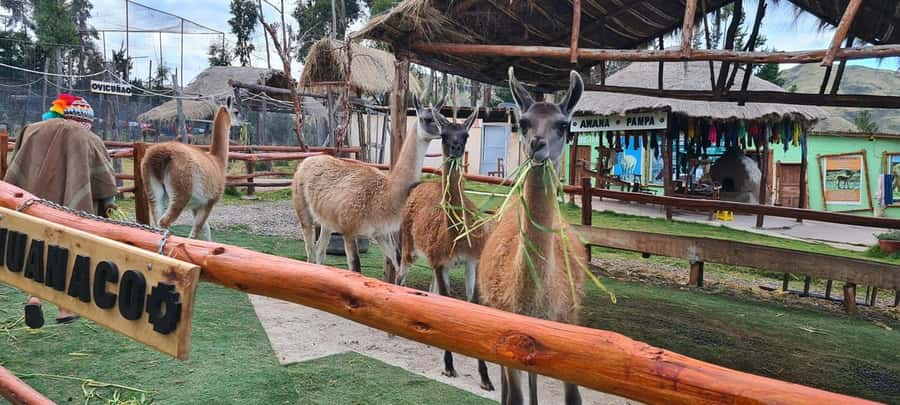
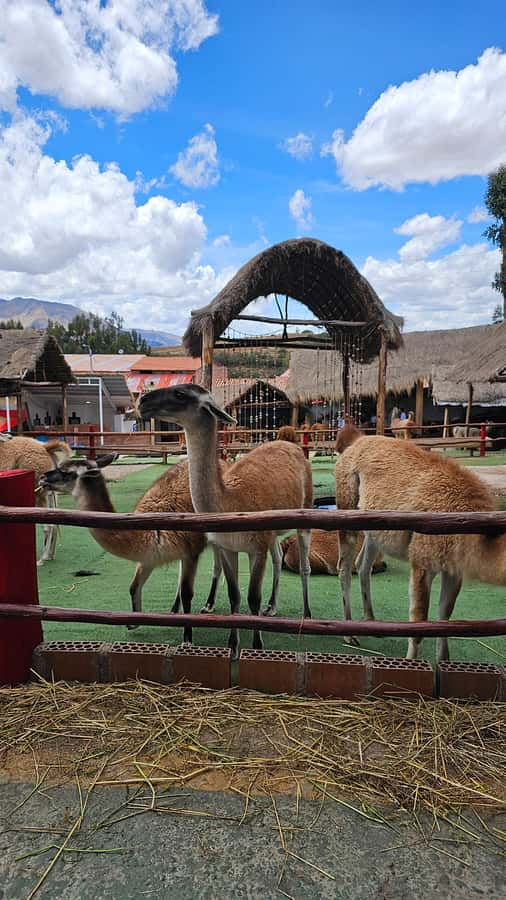
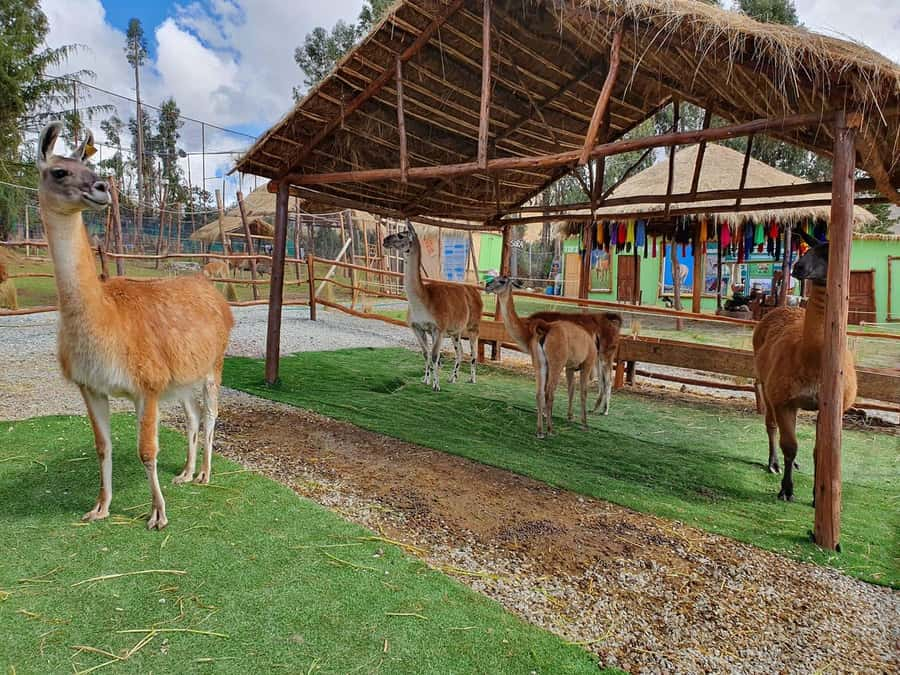
At Manos de la Comunidad, the animals are the main event: you can see alpacas and llamas close up, along with vicuñas and huanacos, the wild relatives that help explain how Andean camelids developed. This is a relaxed way to meet the animals and learn why their wool and care have mattered in Peru for centuries.
I like two things in particular: the short ride from Cusco makes this an easy outing, and the weaving demonstration connects the animals to a living local craft. Guides such as Marlith, Holger, and Olga have been praised for answering questions and making the explanations lively.
One consideration: the final stop includes a large shop, and prices can be high compared with Cusco shops. The visit can also feel a little brief if you want a long stretch with the animals.
What Makes This Tour Worth Your Time
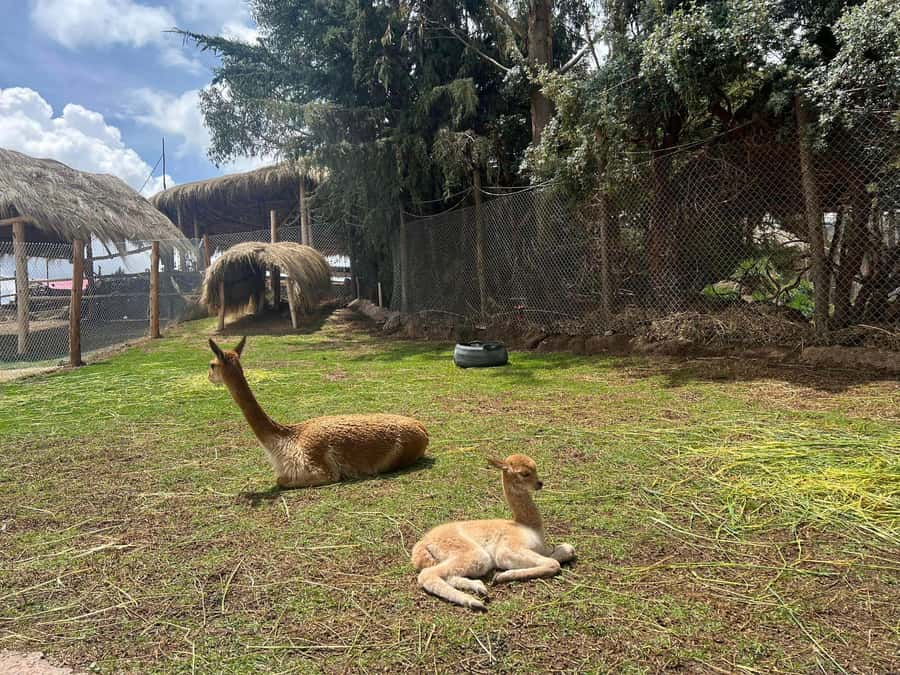
- Four camelid relatives in one visit: See alpacas and llamas, plus vicuñas and huanacos.
- A quick change of scene: The farm is about 20 minutes from Cusco’s historic center.
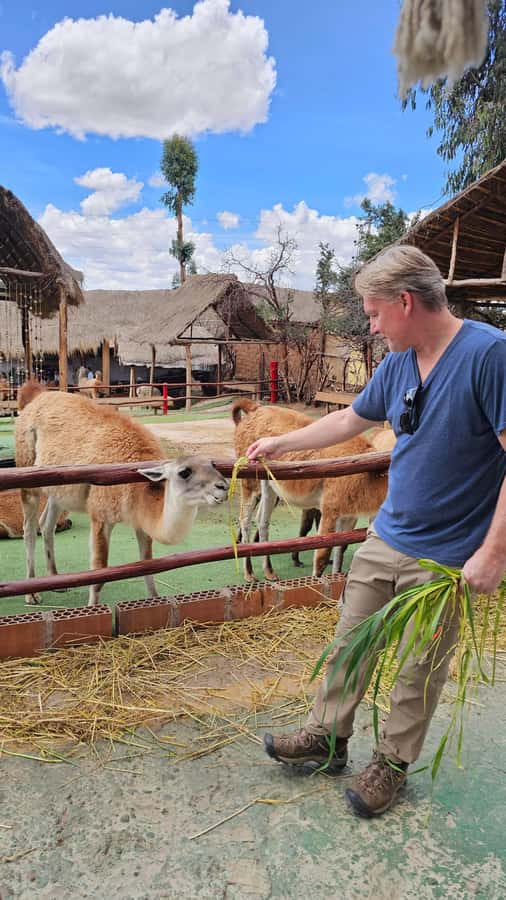
- Animals up close: You may be able to feed and pet them during the visit.
- Textile skills in action: A weaving demonstration shows how local makers work with wool.
- An Inca-era connection: Learn about domestication and the species developed by the Incas.
- Hotel transfers are included: You do not need to arrange your own ride to the farm.
A Short Ride Out of Cusco
The tour starts with hotel pickup in Cusco and a drive of about 20 minutes to Manos de la Comunidad. That makes it a practical choice when you want a change from city streets without committing to a full-day excursion. The drive climbs above the city, and you may get open views back toward Cusco along the way.
The farm visit itself is scheduled for about 80 minutes, while the full experience lasts around 150 minutes, including transfers. That distinction matters when you plan the rest of your day: leave room for pickup and the return ride rather than treating the 80-minute farm portion as the total outing.
The trip is also a gentle option for a first day in Cusco. You are not signing up for a strenuous walk or a long journey, and the pace is generally suited to learning and looking rather than covering ground. Some people have used it as a light activity while getting used to the city’s elevation. The tour does not promise a specific acclimatization benefit, of course, but its short duration and easy format can fit that kind of day.
More airport transfers around Cusco:
- Cusco: Abode of the Gods ATV Tour with Transfer
★ 4.5 · 118 reviews - Cusco Airport Pickup and Private Transfer
★ 5.0 · 82 reviews - Cusco Private Airport Transfer: Fast, Reliable Hotel Drop-Off
★ 5.0 · 80 reviews
Meet the Alpacas, Llamas, and Their Wild Kin
The guide introduces the South American camelids, how people domesticated them, and the animals associated with Inca-era breeding. You will learn to distinguish the two varieties of alpaca and the llama types described during the tour, while also meeting their wild relatives, the vicuña and huanaco.
Seeing the animals together makes the explanations easier to follow. Instead of hearing only a list of names, you can compare their appearance and learn how each fits into the region’s animal and textile traditions. Vicuñas are especially prized for their fine wool and are often called the gold of the Andes. The tour’s emphasis on them gives you a useful sense of why camelids are more than a cute photo opportunity.
You may be able to feed and pet some of the animals. That close contact is a highlight for many people, particularly families and anyone who has only seen alpacas in pictures or at a distance. Bring your camera, but give the guide’s instructions priority around the animals. The point is to meet them safely and respectfully, not to turn the visit into a free-for-all.
The farm also has a conservation angle. The animals have been described as rescues, and the visit can include more than camelids: some tours have also seen rescued condors, deer, and guinea pigs. These extras may add interest, but I would treat them as possible bonuses rather than guaranteed parts of every visit.
From Wool to a Woven Textile
After meeting the animals, you watch a demonstration of traditional weaving. This is where the farm visit gains practical context: alpaca wool is not just a souvenir material, but part of a skilled process carried out by local makers. The demonstration gives you a look at the techniques used to turn wool into textiles and garments.
You can also hear about the wool itself and how to identify genuine baby alpaca fabric rather than a synthetic or misleading substitute. That advice is useful if you plan to shop in Cusco, where the choice of textiles can be confusing. Pay attention to what the guide says about fiber and feel, then use that knowledge beyond the farm.
Some tours include examples of old textiles, which help link today’s craft to Peru’s long textile traditions. The visit is not a full workshop, and you should not expect to sit down and weave a piece yourself. It is a demonstration, but one that makes the animal section more meaningful by showing how people use the fiber.
The strongest guides add detail beyond a basic script. Marlith, Holger, Olga, and other named guides have been singled out for explaining the animals and wool clearly, taking questions, and sharing useful context about Cusco and Peruvian culture. One guide even offered restaurant and pisco sour tips. That sort of local advice is a welcome extra, though the core value is the farm and weaving visit.
The Shop: Browse, But Check the Price
The tour ends near a large retail outlet selling textiles and other products. It can be a useful place to inspect finished goods after learning how the wool is handled, and buying something may support the local operation. There is no requirement to purchase, but the shopping area can feel commercial, and you may feel watched while browsing.
Compare prices before you buy. A yarn item that cost 15 soles at a Cusco shop was priced at 60 soles at the farm outlet, so the convenience and setting may come with a substantial markup. That does not mean every item is overpriced, but it is a good reason to ask the price, check the material, and avoid feeling rushed into a purchase.
If you prefer not to shop, you can simply treat the outlet as the final stop and move on. The farm visit includes the demonstration regardless of whether you spend extra. Souvenirs are not included in the tour price.
More private transfers around Cusco:
- CUSCO MAGICAL 4D Transfer, Hotel, City Tour, Sacred Valley and Machu picchu
★ 5.0 · 42 reviews - Transfer from Cusco to Ollantaytambo
★ 5.0 · 30 reviews - Cusco: Private City Tour and Saksaywaman Visit with Transfer
★ 4.9 · 15 reviews - Super Sacred Valley with Transfer to Ollantaytambo
★ 3.1 · 4 reviews
Is $34 Good Value?
At $34 per person, the price includes hotel pickup and drop-off, a guide, the farm visit, weaving demonstration, and water. For an outing lasting about two and a half hours, that is a reasonable package, particularly if you value having transportation arranged and want an English- or Spanish-speaking guide to connect the animals with local culture.
The value is not just the chance to take photos with alpacas. The explanations about domestication, Inca-era camelids, wool, and weaving give the visit more substance than a quick animal stop. You also avoid working out your own transport to a farm outside the historic center.
Still, set your expectations correctly. This is a short, guided visit, not a full day in the countryside or an in-depth textile class. The farm section is about 80 minutes, and some people have felt that the overall experience ran shorter than expected or moved too quickly to linger with every animal. If unhurried wildlife viewing is your priority, you may wish for more time.
The shop is another part of the value equation. You can enjoy the demonstration without buying anything, and I would not count on the outlet as a bargain stop. Think of any purchase as optional, and compare prices with shops in Cusco first.
Who Will Enjoy This Farm Visit?
This tour suits you if you want a low-effort introduction to Andean animals and textile traditions. It is especially appealing if you are curious about alpacas beyond their familiar image, want to see vicuñas and huanacos, or would like an easy activity between more demanding excursions.
Families may enjoy the chance to see animals up close, while culture-minded visitors can get a useful introduction to wool and weaving. It also works well for a short first outing in Cusco, when you want to learn something without filling the day with strenuous activity.
It may be less satisfying if you want a long, quiet visit with animals, dislike retail stops, or expect hands-on weaving. The focus is a guided farm tour and demonstration, with shopping at the end as an optional extra.
The activity is listed as wheelchair accessible, with a separate entrance to skip the line. English and Spanish guides are available. You can reserve now and pay later, and cancel up to 24 hours in advance for a full refund. Check the available start times when choosing your date.
Should You Book It?
I would book this if you have a few hours in Cusco and want an easy, informative outing that pairs animal encounters with local textile skills. The included transfer and strong guide-led explanations make the $34 price fair, and the chance to see vicuñas and huanacos adds interest beyond a standard alpaca stop.
Go in expecting a compact visit, not a long farm stay. Enjoy the weaving demonstration, ask questions, and keep your wallet closed unless the shop price makes sense to you. If that balance sounds right, this is a worthwhile way to get acquainted with an important part of Andean life.
FAQ
How long does the tour last?
The full activity lasts about 150 minutes. The guided visit at Manos de la Comunidad is listed as 80 minutes, with hotel transfers included in the overall time.
How far is the farm from Cusco?
The farm is about 20 minutes from Cusco’s historic center by vehicle.
Which animals can I see?
The tour covers two varieties of alpaca and llamas, as well as vicuñas and huanacos. Depending on the visit, you may also see other animals such as rescued condors, deer, or guinea pigs.
Is the weaving demonstration included?
Yes. The tour includes a demonstration of traditional weaving and an explanation of textile-making skills.
Which languages are available?
Live guides are available in English and Spanish.
Are hotel transfers included?
Yes. Hotel pickup and drop-off in Cusco are included, along with a guide, the farm visit, the weaving demonstration, and water. Souvenirs are not included.
More farm visits around Cusco
- Private Ollantaytambo, Pisac Ruins Tour with Farm Visit, Gourmet Picnic Lunch
★ 5.0 · 52 reviews - From Cusco: Private Pisac Ruins and Alpaca Farm Day Trip
★ 5.0 · 9 reviews
Just added around Cusco
- Zipline over the Sacred Valley Trip★ 5.0 · 11 reviews
- Visit Pisac from Cusco: Private Transport★ 4.6 · 9 reviews
- TRIP FROM PUNO TO CUSCO WITH THE ROUTE OF THE SUN★ 4.7 · 16 reviews
- Vinicunca Mountain Tour – Full Day Tour to Rainbow Mountain★ 3.4 · 4 reviews
- Valle Sur Cusco | half day★ 4.3 · 3 reviews
- Trek to Choquequirao 4 days★ 3.8 · 4 reviews
- Trek to Humantay Lake from Cusco★ 4.9 · 8 reviews
- 2 Day – Short Inca Trail to Machu Picchu – Group Service★ 5.0 · 30 reviews
Cusco Airport Transfers, compared.
CUSCO MAGICAL 4D Transfer, Hotel, City Tour, Sacred Valley and Machu picchu
Read our review →
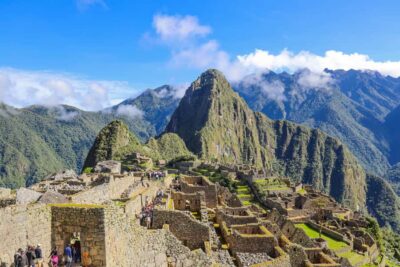
One Day Tour to Machu Picchu with Train Transfers
Read our review →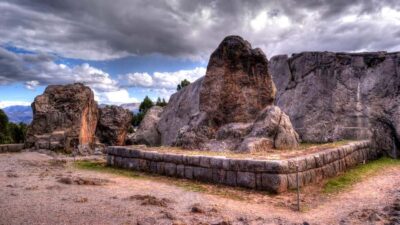
Private City Tour and Saksaywaman Visit with Transfer
Read our review →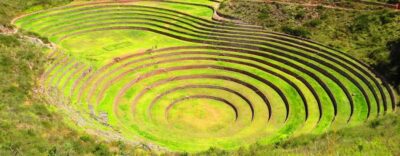
Super Sacred Valley with Transfer to Ollantaytambo
Read our review →Browse the lists this tour appears in