
Reviewed · CUSCO TRAIN JOURNEYS
Cusco: 4-Day Lares Trek to Machu Picchu with Panoramic Train
Lares takes you well beyond the usual Machu Picchu approach: you’ll walk past potato fields and alpaca herds, cross a 4,750-meter pass, and spend time in Andean communities before reaching the Sacred Valley. I like the way this trip pairs local textile traditions and mountain villages with the restorative pause of Lares hot springs. I also like that the return train is the panoramic Vistadome, not just a ride to get you back.
The trade-off is altitude and cold. The trek reaches 4,750 meters, and nights at camp can be bitter, so this suits you best if you’re in good shape, prepared for changing weather and willing to move at a steady pace.
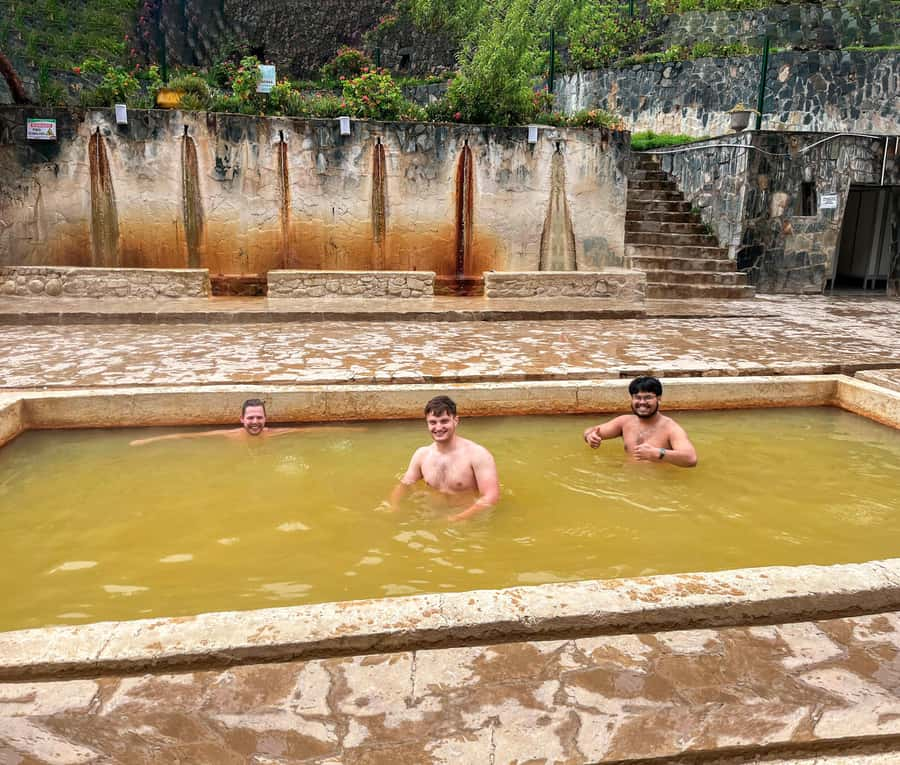
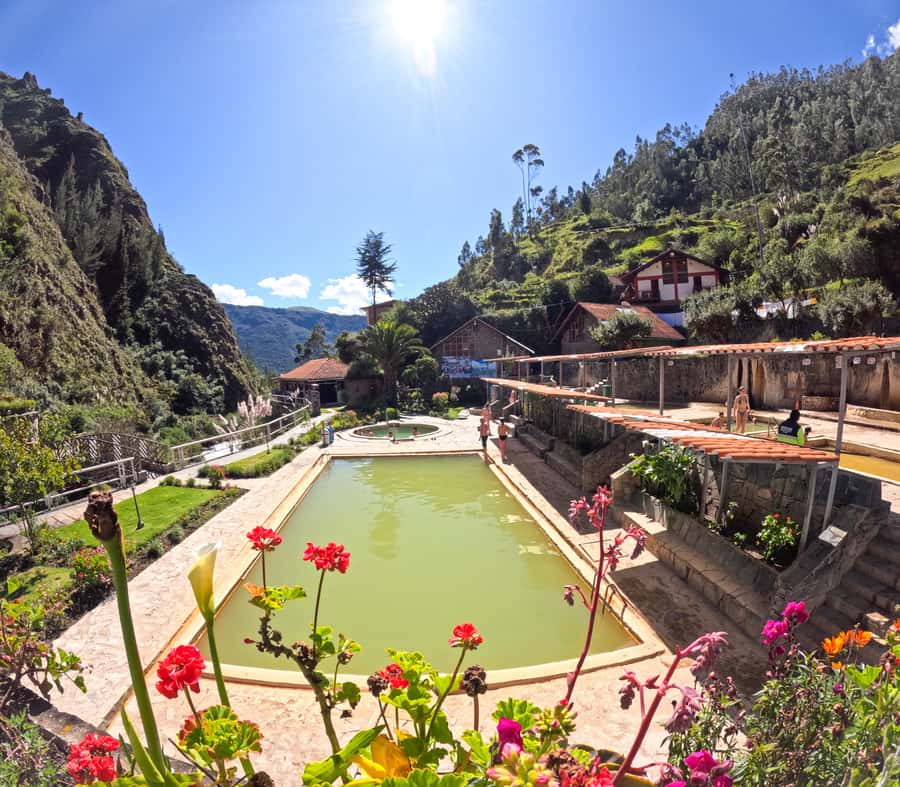
- Soak before the hike: Lares Hot Springs offers a warm start, with mountain views.
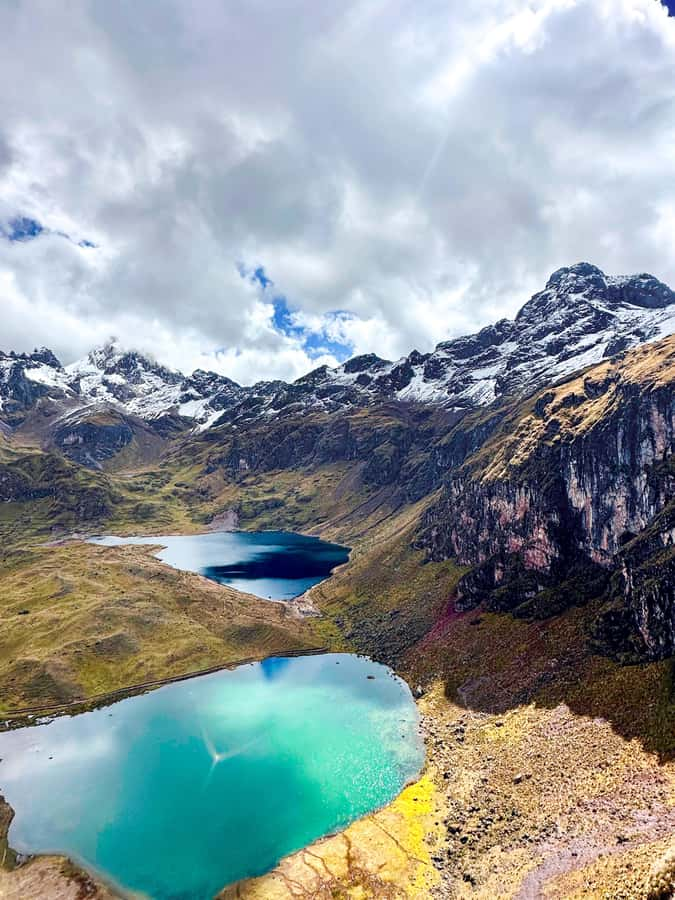
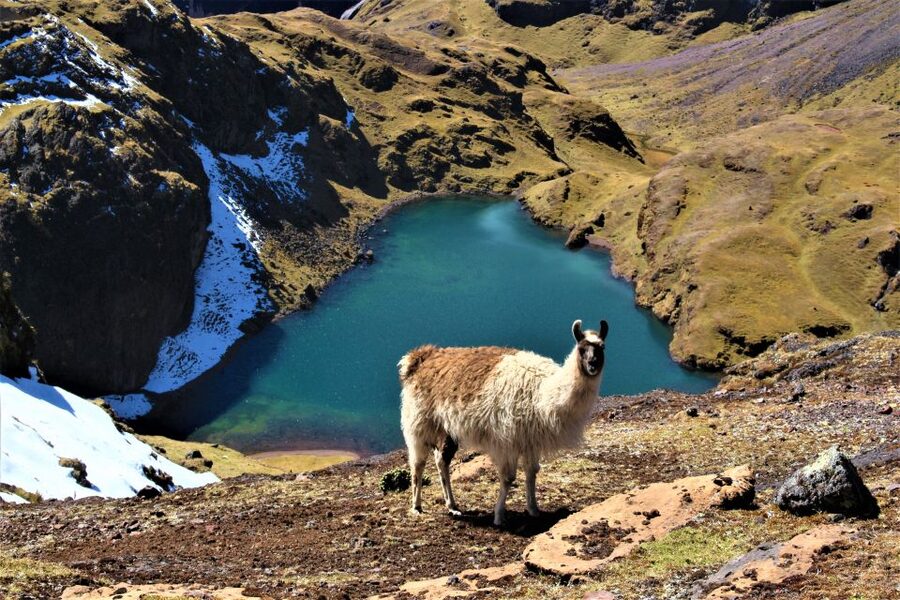
- Cross Condor Pass: The high point is 4,750 meters, with views of snowy peaks and turquoise lagoons.
- Meet local families: Visit a weaving cooperative and Canchacancha village, where you can learn a few Quechua phrases.
- Camp for two nights: Chefs prepare meals, while muleteers carry food, equipment and your personal duffle.
- Add Sacred Valley history: Stop at Maras salt mines and Ollantaytambo before taking the train to Aguas Calientes.
- Finish at Machu Picchu: A guided two- to three-hour visit is followed by a Vistadome train ride and private transfer to Cusco.
From Lares hot springs to the Blue Lagoon
Day one begins with an early pickup from your Cusco or Sacred Valley accommodation. If your hotel is outside Cusco district, you’ll need to reach a meeting point near the main square. The early start lets you fit in several stops before the trek, but it also makes the first day a long one.
Calca’s market gives you a look at local food and daily trade before you continue to Ancashmarca, an Inca site. The route then climbs to a high plateau where you may see Puyas de Raimondi, unusual plants noted for their great size. These stops make the day more than a transfer to the trailhead: you start with a taste of the region’s food, history and high-altitude ecology.
At Lares Hot Springs, you can soak and have breakfast with mountain views. This is a fine place to relax before walking, though it’s worth remembering that a warm bath is not a substitute for taking it easy at altitude. A visit to a weaving cooperative follows. You’ll learn about Andean textile traditions, and the trip highlights the role of women-run cooperatives in keeping those skills and livelihoods going.
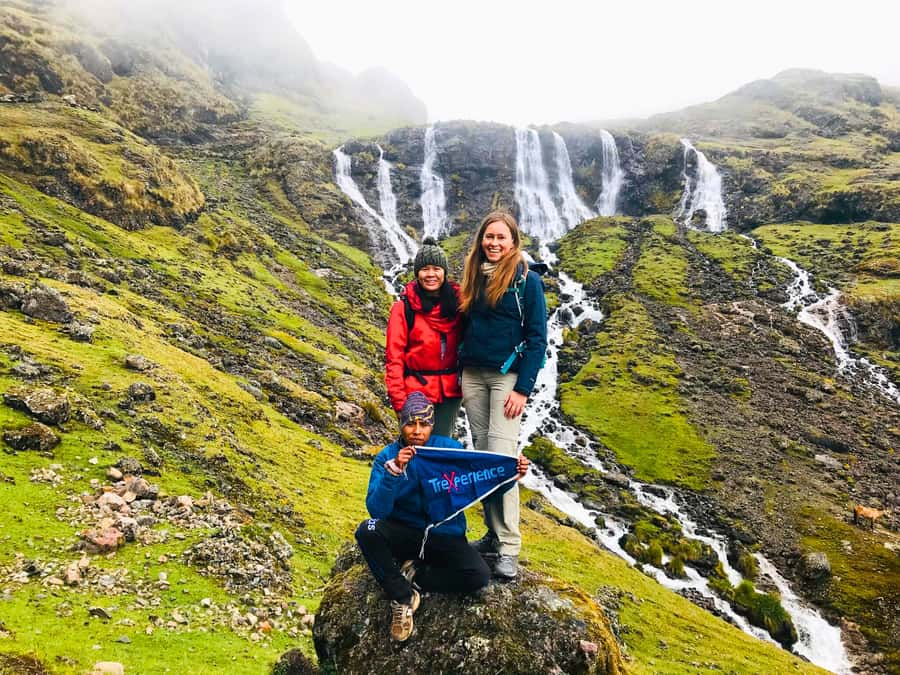
From Pampacorral, the hike begins through valleys dotted with alpacas and potato fields. You stop in Kiswarani for a freshly prepared lunch, then follow a waterfall toward the Blue Lagoon campsite at 3,900 meters. Expect coca tea, dinner and a night beneath the stars. The first camp gives you a clear sense of the trip’s rhythm: walk, eat well, settle in, and sleep outdoors.
Climbing to Condor Pass at 4,750 meters
Day two starts with tea or coffee brought to your tent, followed by breakfast. The trail climbs steadily through valleys and past lakes, with chances to see Andean wildlife. The scenery is a reward, but the climb is also the trek’s biggest physical test. At 4,750 meters, even a familiar slope can feel demanding. Take the pace seriously, pause as needed, and tell your guide how you’re feeling.
At Condor Pass, the high point of the route, you’ll have broad views of snowy peaks and turquoise lagoons. A traditional offering ceremony provides a moment to recognize the mountains and the place you’re walking through. It’s a meaningful pause in a day that might otherwise be remembered mainly for the climb.
After the pass, the trail descends and lunch is served in Acopata. The route continues through valleys where llamas and alpacas graze before you reach Canchacancha village at 3,750 meters. Here you’ll meet local families and learn a few Quechua phrases. Dinner and mountain views close the day.
The altitude and cold deserve more than a casual mention. A French-speaking family described the difficulty as manageable, but noted that thin air and cold nights reduced their energy. That’s useful guidance: you don’t need to be an elite trekker, but you should arrive in good physical condition and be ready for a real mountain walk. The guide can accommodate pauses, but breaks don’t remove the effects of altitude.
More Machu Picchu tours around Cusco:
- From Cusco: Full-Day Group Tour of Machu Picchu
★ 4.7 · 1,767 reviews - Machu Picchu Day Trip from Cusco
★ 4.5 · 1,644 reviews - Machu Picchu: Full-Day Tour from Cusco with Optional Lunch
★ 4.6 · 927 reviews
Walking from Canchacancha into the Sacred Valley
On day three, you’ll explore Canchacancha, visiting homes and the local school. There may be an opportunity to donate school supplies. If you plan to bring something, ask the operator what is useful rather than assuming what the community needs. The visit offers a more personal view of rural life than a quick photo stop, but it works best when you follow your guide’s lead and treat people’s homes with respect.
Then comes a scenic four-hour descent into the Sacred Valley. The surroundings shift as you lose elevation: potato fields give way to corn and avocado crops. This change in crops makes the walk a quiet lesson in how altitude shapes farming. The downhill route is less demanding on your lungs than the pass, but it can still be hard on your legs, especially after two days of walking.
At Huaran, at 2,700 meters, you’ll have a picnic lunch and say goodbye to your muleteers and chef. Their work is central to the trek: they move food and equipment so you can walk with a lighter load, while the cooks keep meals coming at camp and on the trail. Four breakfasts, three lunches and three dinners are included across the tour.
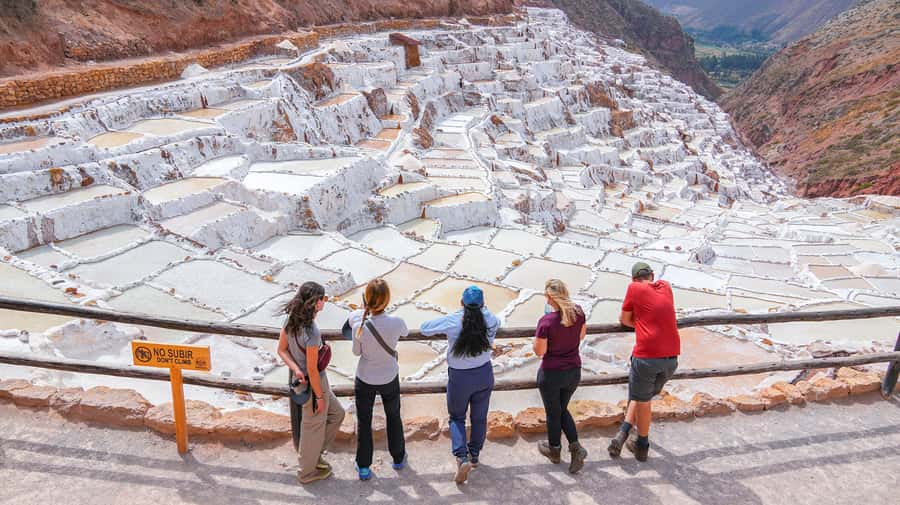
A private van then takes you to the Maras salt mines, where you’ll learn about traditional salt harvesting. The terraces make this a striking stop, and the visit adds another kind of human-made ingenuity to the trip. The schedule is full, though, so expect a visit rather than an unhurried afternoon.
Next is Ollantaytambo, described as the last living Inca town. It’s a welcome chance to see a settlement with deep Inca roots before dinner and the train journey to Aguas Calientes, also called Machu Picchu Pueblo. You’ll spend the night in a comfortable three-star hotel, a useful change after two nights in a tent.
Reaching Machu Picchu before the day heats up
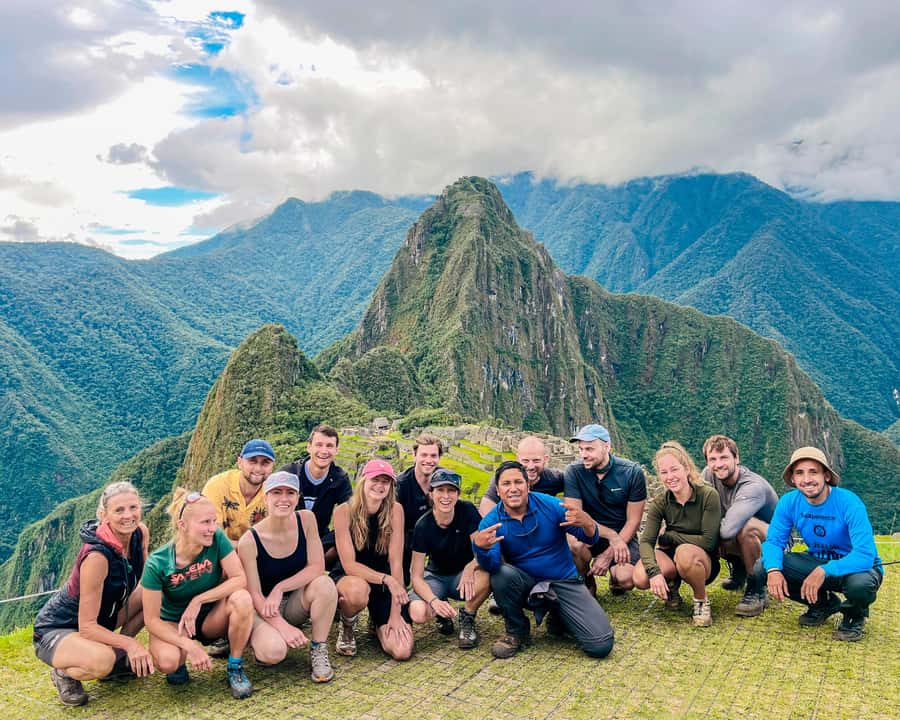
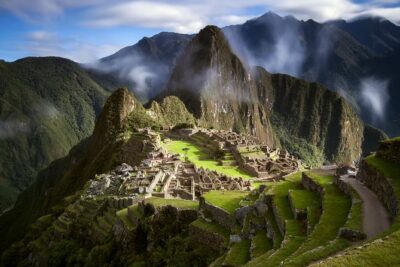
The final morning starts early with breakfast at the hotel and a bus ride to Machu Picchu. The aim is to arrive as the sun rises over the citadel. That early start makes for a long day, but it gives you the chance to see the site in morning light and take panoramic photographs from its iconic viewpoints.
A guide leads a two- to three-hour walk through the site’s main landmarks, explaining Inca engineering, history and daily life. The guided visit is included, which matters here: Machu Picchu is more than a dramatic backdrop, and a guide helps connect its buildings and terraces to the people who made and used them.
You return to Aguas Calientes for free time and lunch, which is not included. Keep some cash aside for this meal and any other personal purchases. Then board the Vistadome train to Ollantaytambo. Its large windows make the valley part of the journey, rather than something you watch disappear between stops. A private transfer takes you from Ollantaytambo back to Cusco by evening.
What the $690 price includes
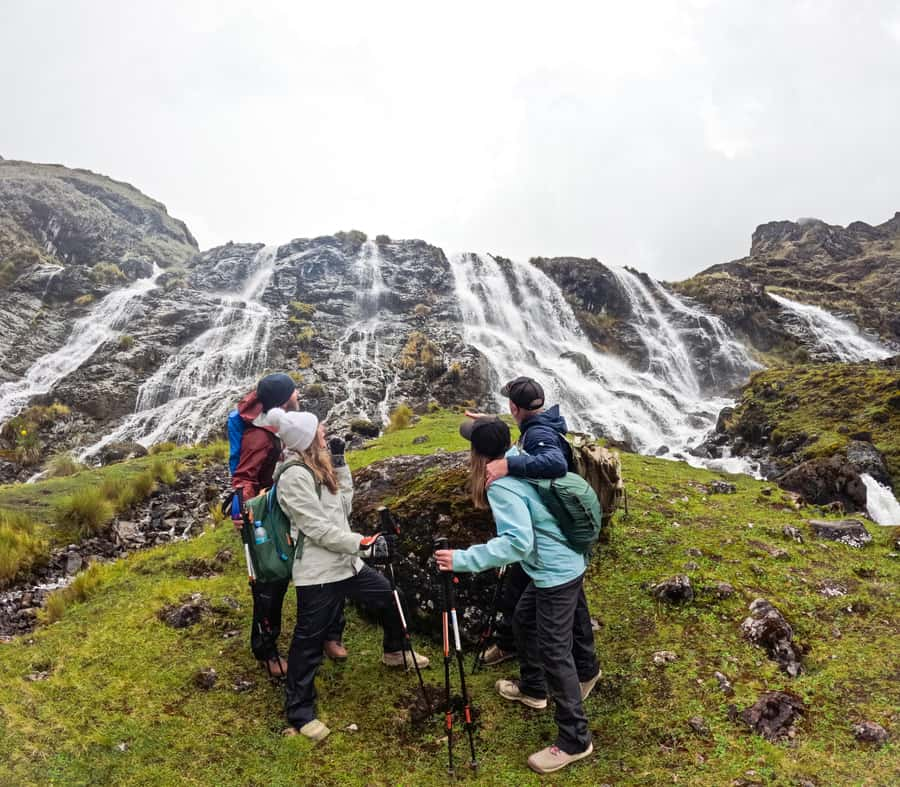
At $690 per person, this is a package of guided trekking, transport, meals, two nights of camping, one hotel night and entry fees. It includes access to Machu Picchu, Maras Salt Mines and Lares Hot Springs, as well as the round-trip Machu Picchu bus, the Vistadome return train and hotel pickup and drop-off.
The camping support is a significant part of the value. A chef prepares meals, and horses and muleteers carry food and equipment. You also get a personal duffle bag with a stated limit of up to 7 kilograms, or 11 pounds, for camping gear. Pack carefully: your daypack still needs to hold the things you want with you while hiking.
You’ll need to bring or rent a sleeping bag, air mattress and trekking poles. Those items are not included, though rentals are available on request. Travel insurance is also not included and is recommended. The final-day lunch in Aguas Calientes, optional tickets to Huayna Picchu or Machu Picchu Mountain, and personal spending are extra.
One practical advantage is that the tour includes a pre-trip safety briefing and complimentary luggage storage in Cusco. That can make it easier to leave non-trekking baggage behind while you’re on the trail. The price is less appealing if you already have your own transport, guide or camping setup, but for a visitor who wants the route organized from Cusco through to Machu Picchu and back, many of the major costs are bundled.
More train journeys around Cusco:
- Cusco: Machu Picchu 2-Day Inca Trail with Panoramic Train
★ 4.9 · 260 reviews - The First Class Machu Picchu Train by Inca Rail
★ 4.0 · 182 reviews - From Cusco: 1-day Machu Picchu Tour by Train
★ 4.6 · 138 reviews - 2-Day Machu Picchu Tour by train from Cusco ( All included )
★ 5.0 · 85 reviews
Packing for cold nights and a high pass
Bring your passport, hiking shoes, comfortable clothing, hiking pants, sunglasses, a sun hat, sunscreen and rain gear. The route moves through high elevations and changing conditions, so weather-appropriate layers are more useful than packing for a single forecast. Warm clothes for camp are essential: expect cold nights, even when the days feel pleasant.
Pack insect repellent, toiletries, hand sanitizer or tissues, a camera and some cash. Ask about sleeping-bag, mattress and pole rentals in advance if you don’t own them. You should also provide your passport details when booking and tell the operator about any dietary needs at that time. Vegan meals have been accommodated on past trips, but it’s sensible to make your needs clear well before departure.
The tour is offered with English- and Spanish-speaking guides. Guides on past trips have included Manolo and Filio, but you should not assume either will lead your departure. The activity is non-refundable, so check dates and your plans carefully before booking.
This trek is not suitable for pregnant people, wheelchair users, or people with mobility impairments, heart problems or back problems. Children must be accompanied by an adult, and unaccompanied minors are not allowed. Weapons or sharp objects, smoking, alcohol, drugs and littering are prohibited.
Who should choose the Lares route
Choose this trip if you want Machu Picchu to be the culmination of a trek, not the whole story. The Lares route adds time with weaving communities, mountain villages and working landscapes, plus a hot-springs stop and the salt mines and Inca town of the Sacred Valley. You’ll also have a guide, prepared meals and transport arranged across a route that would take effort to piece together yourself.
It’s a good fit for active families with older children, friends and couples who can handle long walks and high elevations. One family found the route manageable, but that should not be taken to mean easy: the pass is high, nights are cold, and the third day includes a four-hour downhill hike. Your fitness and response to altitude matter more than the word manageable.
If you want the shortest, easiest way to see Machu Picchu, this is not it. If you want a multi-day walk with community encounters and a comfortable hotel night before the site visit, it’s a compelling use of four days. I’d book it if the high pass and camping sound like part of the appeal, not an obstacle to endure.
FAQ
How long is the Lares trek tour?
The full experience lasts four days. It includes trekking, visits in the Sacred Valley, an overnight in Aguas Calientes and a guided visit to Machu Picchu.
How high does the trek go?
The route reaches Condor Pass at 4,750 meters. The Blue Lagoon campsite is at 3,900 meters, and Canchacancha village is at 3,750 meters.
How many nights are spent camping?
You’ll spend two nights camping and one night in a three-star hotel in Aguas Calientes.
Are meals included?
The tour includes four breakfasts, three lunches and three dinners. Lunch on the final day in Aguas Calientes is not included.
Is the train ride included?
Yes. The return from Aguas Calientes to Ollantaytambo is on the Vistadome train, followed by a private transfer to Cusco.
Are the Machu Picchu bus and entrance fee included?
Yes. The tour includes Machu Picchu entrance fees and the round-trip bus between Aguas Calientes and the site.
Do I need to bring camping gear?
A sleeping bag, air mattress and trekking poles are not included. They can be rented on request.
Can I request special meals?
Yes. You should advise the operator of dietary needs when booking.
What languages do the guides speak?
Guides are available in English and Spanish.
What should I bring for the trek?
Bring your passport, hiking shoes, warm and weather-appropriate clothing, rain gear, sun protection, toiletries, insect repellent, cash and a camera.
More hikes and treks around Cusco
- From Cusco: 7 Lakes Ausangate Trek with Breakfast and Lunch
★ 4.8 · 360 reviews - Cusco: Rainbow Mountain Tour and Red Valley Hike (Optional)
★ 4.7 · 149 reviews - Cusco: Full-Day Rainbow Mountain & Red Valley Trekking Tour
★ 4.5 · 121 reviews - Salkantay Trek Challenge – 3 Days / 2 Nights
★ 5.0 · 101 reviews
More multi-day trips around Cusco
- Cusco: 4-Day Inca Trail to Machu Picchu with Accommodation
★ 4.8 · 432 reviews - From Cusco: 2-Day Trip to the Sacred Valley and Machu Picchu
★ 4.6 · 265 reviews - From Cusco: 2-Day Inca Trail to Machu Picchu
★ 4.2 · 244 reviews - Machu Picchu: Inca Trail 2-Day Overnight Guided Tour
★ 4.9 · 203 reviews
Just added around Cusco
- Zipline over the Sacred Valley Trip★ 5.0 · 11 reviews
- Visit Pisac from Cusco: Private Transport★ 4.6 · 9 reviews
- TRIP FROM PUNO TO CUSCO WITH THE ROUTE OF THE SUN★ 4.7 · 16 reviews
- Vinicunca Mountain Tour – Full Day Tour to Rainbow Mountain★ 3.4 · 4 reviews
- Valle Sur Cusco | half day★ 4.3 · 3 reviews
- Trek to Choquequirao 4 days★ 3.8 · 4 reviews
- Trek to Humantay Lake from Cusco★ 4.9 · 8 reviews
- 2 Day – Short Inca Trail to Machu Picchu – Group Service★ 5.0 · 30 reviews
Cusco Train Journeys, compared.
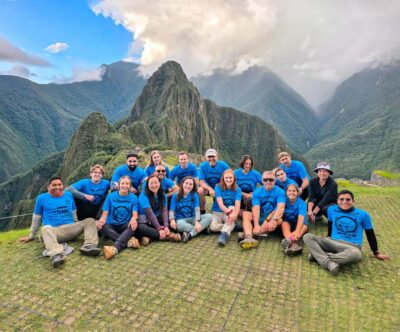
Machu Picchu 2-Day Inca Trail with Panoramic Train
Read our review →
The First Class Machu Picchu Train by Inca Rail
Read our review →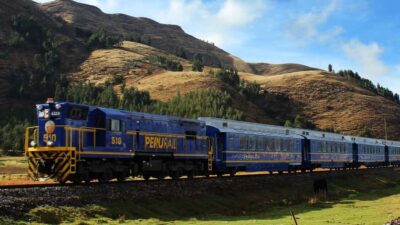
2-Day Machu Picchu Tour by train from Cusco ( All included )
Read our review →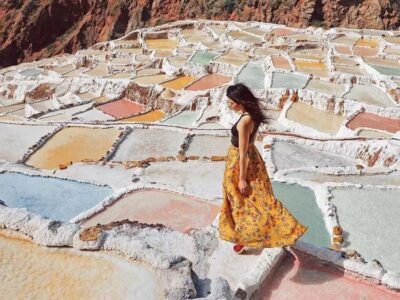
Sacred Valley & Machu Picchu 2-Day Tour by Train
Read our review →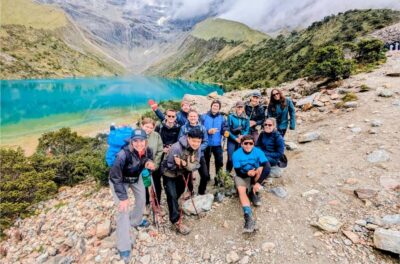
Machu Picchu 2-Day Adventure by Train with Overnight Stay
Read our review →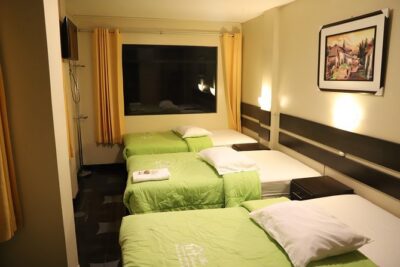
Browse the lists this tour appears in