
Reviewed · SALKANTAY TREKS
Salkantay Trek to Machu Picchu 5D/4N or 4D/3N by glamping
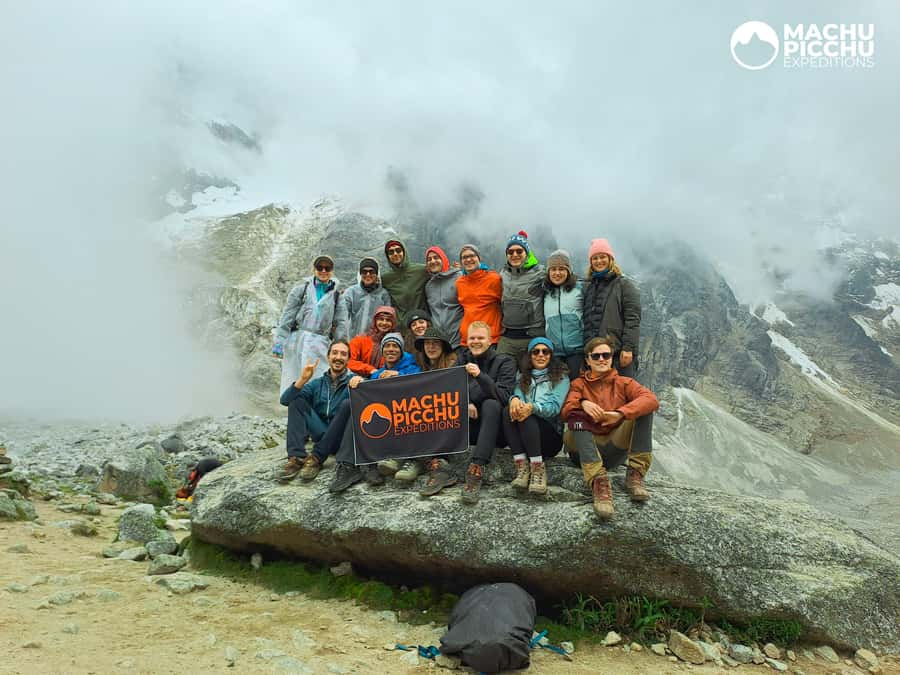
The draw here is the change of worlds: you start among icy peaks at Humantay Lake and Salkantay Pass, then descend through warmer valleys toward Machu Picchu. This is a demanding trek, not a scenic shuttle ride with a short walk attached.
I like two things in particular: fresh meals cooked by a trek chef and a route that combines high mountain views with an Inca trail section at Llactapata. The glamping camps and final hotel night also offer a softer landing after long days on foot.
The main catch is the cost and effort beyond the headline price. Machu Picchu entry, some transport, hot springs, water and optional activities are extra, while the route reaches 4,630 metres at Salkantay Pass. Check the exact package and your readiness for altitude before booking.
The Salkantay route, in five useful points
- Humantay Lake at 4,200 metres: A striking first-day goal, reached after you have already travelled from Cusco and hiked to camp.
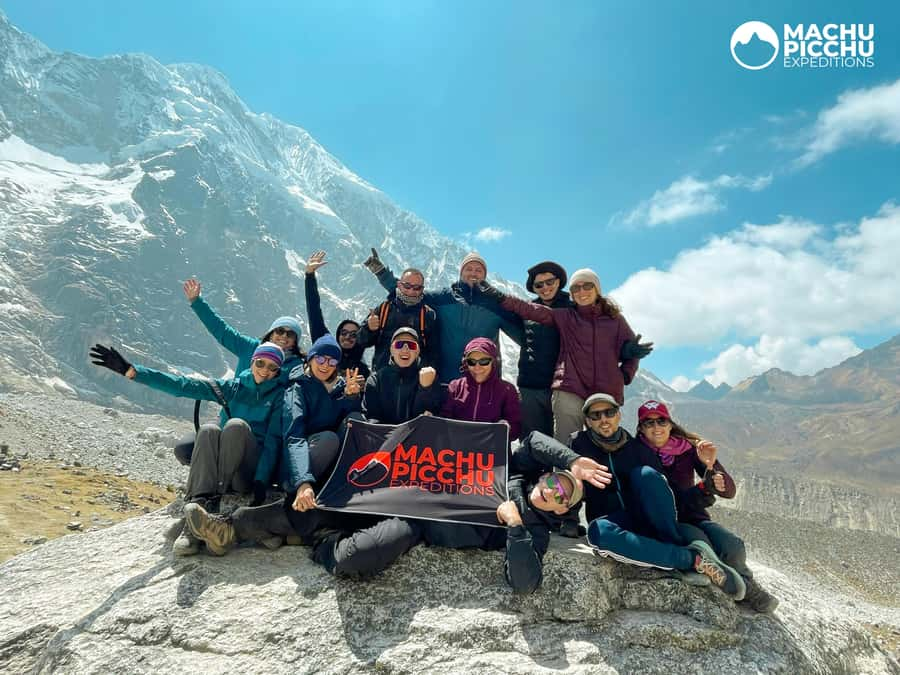
- Salkantay Pass at 4,630 metres: The trek’s highest point, with views toward 6,271-metre Salkantay and a strenuous climb up the Trail of the 7 Snakes.
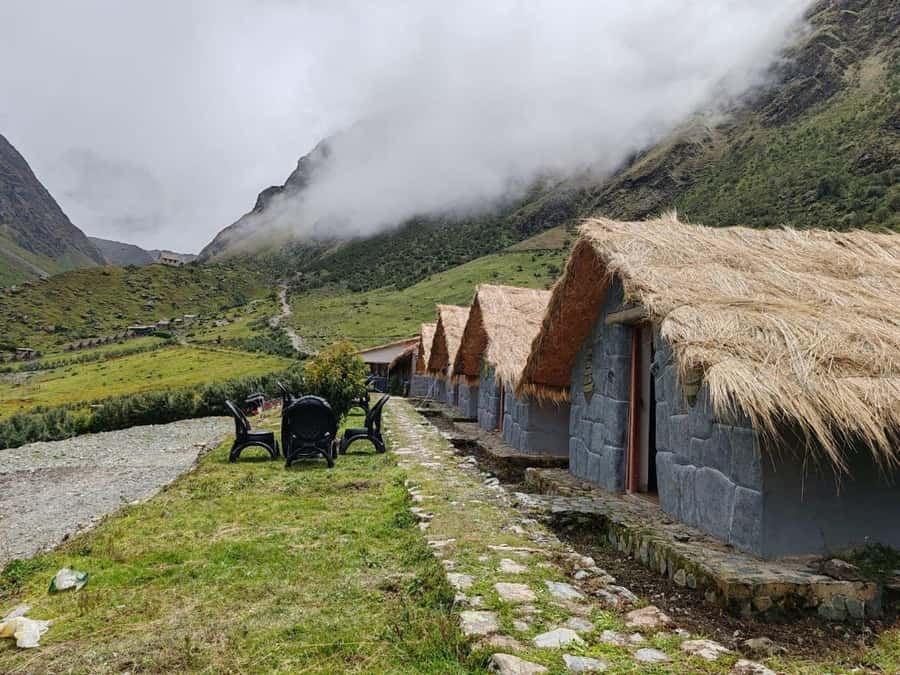
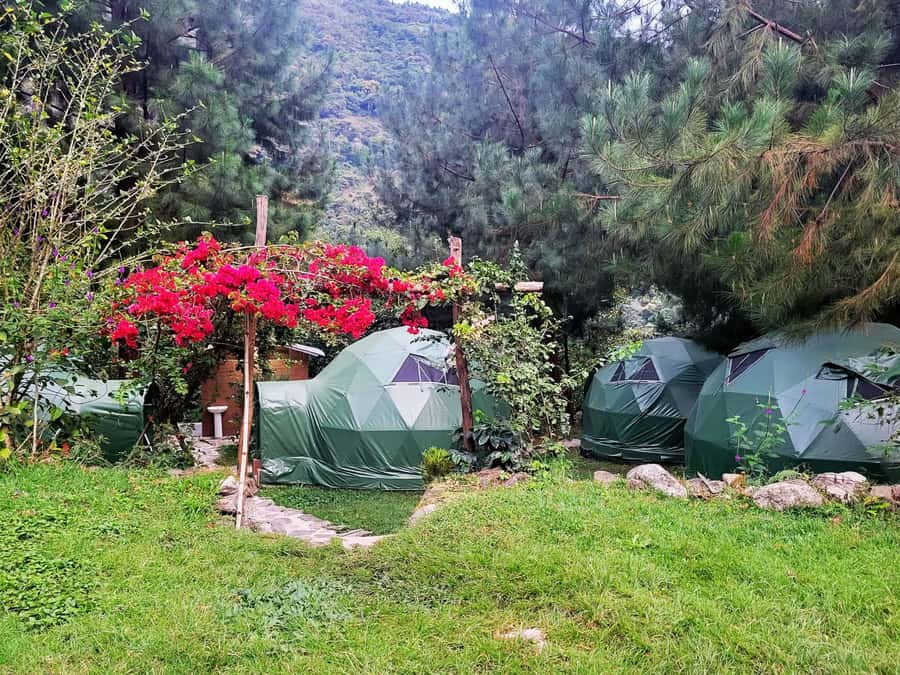
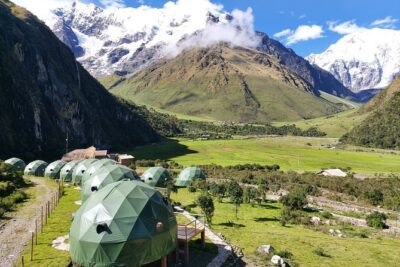
- A comfortable camp routine: Three nights are in glamping-style camps, with a chef, meals, afternoon tea and a six-kilo duffle allowance carried by horses.
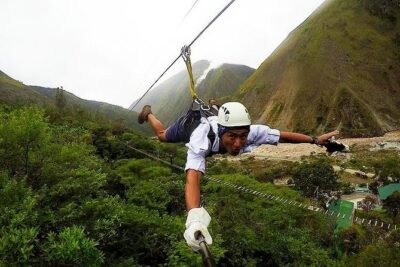
- A mix of walking and optional extras: The Cocalmayo hot springs and day-three zipline are not included in the base price.
- Machu Picchu is a separate cost: The guided visit is included, but the entrance ticket is not, and ticket availability matters.
- A small group, up to 15: That is a manageable group size, though walking pace can still vary from person to person.
From Cusco to Humantay Lake on day one
The day starts early: pickup is at 4 a.m. from your hotel in Cusco’s historic center. After a drive in private transport, the group stops in Mollepata for breakfast, then begins hiking at Challacancha toward Soraypampa. That early start helps fit the lake walk into the day, but it is worth arriving in Cusco rested and ready for a long first outing.
At Soraypampa, you settle into the private camp and have lunch before the climb to Humantay Lake, at 4,200 metres. The lake is the first major reward, but the altitude makes this more than a casual afternoon stroll. Take a steady pace, drink water you have brought, and follow your guide’s advice if you feel unwell.
After the return hike, dinner is served at camp. The combination of a cooked meal, a warm place to sleep and a sunset over the mountains makes the first night more comfortable than a basic tent-only trek. Still, expect a full day: early pickup, hiking, altitude and the extra climb to the lake all arrive before bedtime.
More Machu Picchu tours around Cusco:
- From Cusco: Full-Day Group Tour of Machu Picchu
★ 4.7 · 1,767 reviews - Machu Picchu Day Trip from Cusco
★ 4.5 · 1,644 reviews - Machu Picchu: Full-Day Tour from Cusco with Optional Lunch
★ 4.6 · 927 reviews
Salkantay Pass, the trek’s hardest climb
A morning coca tea wake-up is followed by breakfast and the climb to Salkantay Pass. The route takes you up the Trail of the 7 Snakes to 4,630 metres, where you can look toward Salkantay, a 6,271-metre peak. The views are a good reason to choose this route, but reaching them takes effort; this is the day to conserve your energy rather than race ahead.
The descent ends at Collpapampa, at 2,950 metres, where dinner and a night in a Sky Hut await. The change in elevation is part of the trek’s appeal: you leave the high, cold mountain zone and begin moving toward a warmer valley. It is also a long day on foot, so sturdy shoes and warm layers are practical, not optional extras.
I would choose this trek for its scenery, not because it is an easy substitute for the Inca Trail. The Salkantay route is remote and rugged, with fewer people than the more famous trail, but that quiet comes with longer stretches of effort and fewer easy exits.
Valley walking, hot springs and coffee
Day three begins around 6 a.m. with tea and breakfast, then continues from camp toward La Playa through the Santa Teresa Valley. The surroundings shift again as you leave the high pass behind. A coffee tour is part of the experience, giving the day a local agricultural stop alongside the trekking.
After lunch, you can choose to visit Cocalmayo hot springs, rest at camp or pay for the optional zipline. The hot springs entry costs PEN 10, and transport costs PEN 40. The zipline is listed at US$28. These are extras, so decide in advance how much you want to spend and whether a soak or a rest sounds better after two days of hiking.
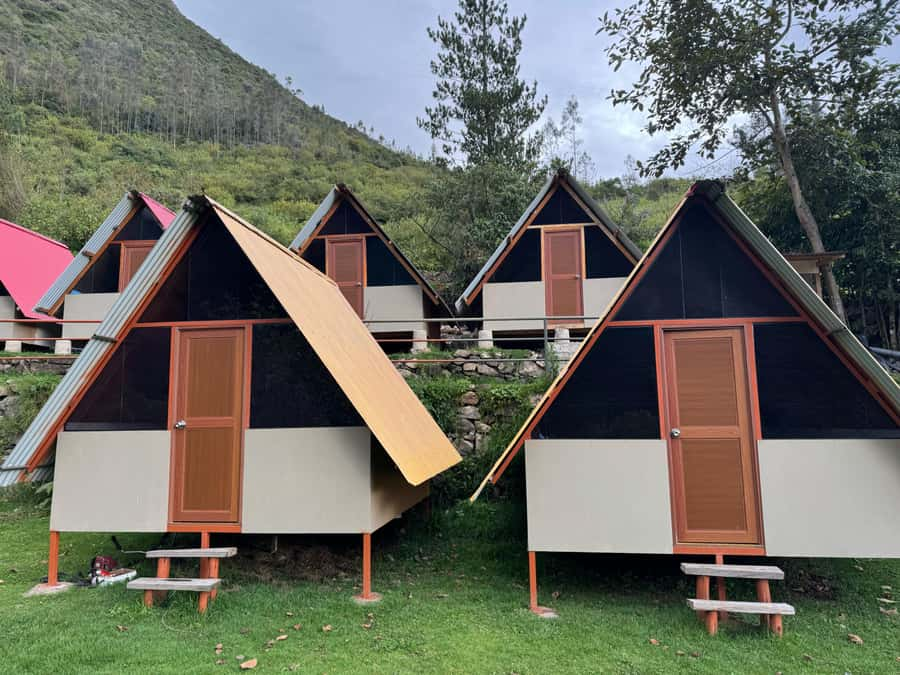
The night is in a dome at Lucmabamba, with dinner and the sounds of nature around camp. Hot showers are not included at the second and third camps, and each costs PEN 10. Wi-Fi also costs extra, at S/. 5 at the first camp and S/. 10 at the second and third. If you can manage a few days with limited connection, you can skip that expense and keep your phone for photos.
Llactapata and the long approach to Aguas Calientes
Day four starts with breakfast and a climb on a section of the original Inca trail. After about two hours uphill, you reach Llactapata, an archaeological site at 2,700 metres with views toward Machu Picchu. This is one of the trek’s strongest combinations: an Inca site, a high viewpoint and the first look toward the destination you have been walking toward.
From Llactapata, the route descends for about two hours before lunch at Hidroeléctrica. The onward approach to Aguas Calientes includes a walk alongside the railway tracks. That stretch can feel like a slog after several days of hiking, with less of the mountain drama that marked the earlier stages. If long, repetitive walking wears you down, factor this into your decision.
In Aguas Calientes, you check into a three-star hotel and have dinner at 7 p.m. The hotel night breaks up the camping and prepares you for Machu Picchu, though comfort can vary. Pack earplugs if you are a light sleeper, and do not assume warm water: it has not always been available at the hotel.
More Salkantay treks around Cusco:
- Salkantay Trek Challenge – 3 Days / 2 Nights
★ 5.0 · 101 reviews - Small Group 5 Days Salkantay and Machu Picchu by Llactapata Tour
★ 5.0 · 88 reviews - Machu Picchu: 5-Day Salkantay Trek with Panoramic Train
★ 5.0 · 79 reviews - Salkantay Trek 4 Days to Machu Picchu by Glamping Sky Lodge Dome
★ 5.0 · 68 reviews
Machu Picchu: the final morning
The final day is for Machu Picchu, with a guided visit lasting about 1.5 hours and free time afterward. The guided tour is listed for Circuit 2B at 6, 7 or 8 a.m., but the entrance ticket itself is not included. A Circuit 2B ticket at 7 a.m. is listed at US$45, subject to availability through the Peruvian government’s official ticket sales site. Confirm the exact circuit and entry time before you book the trek.
After the guided portion, possible hikes include Huayna Picchu, Machu Picchu Mountain, the Sun Gate and the Inca Bridge. These options have different routes and may require separate tickets or availability checks; do not assume your trek ticket covers them. The supplied information does not include their prices, so check before planning your day around one.
The visit is a fitting finish, but it is also a long trip with several moving parts. You will have already walked for four days, and the final experience depends on securing the right entry ticket. Treat the ticket as a key part of the booking, not a minor detail to sort out later.
What the price covers, and what it does not
The stated price is US$35 per person, but that figure should not be read as the full cost of the trip. Machu Picchu admission is extra, as are the Humantay Lake entry fee, hot springs entry and transport, drinking water, sleeping bag or walking-stick rental, hot showers, Wi-Fi, the zipline, and your last lunch. The return journey from Hidroeléctrica also costs extra.
For the return to Cusco, the listed bus costs US$12. The option by train costs about US$90 and includes a train from Machu Picchu town to Ollantaytambo, followed by a bus to Cusco. The bus route requires a two-hour walk from Machu Picchu town to Hidroeléctrica before boarding. That is a meaningful difference in comfort and time, so budget for the option you actually plan to use.
Included are five breakfasts, four lunches, four dinners, three snacks and three afternoon tea times with items such as popcorn, cookies, chocolate and coffee. A professional chef cooks along the route, and vegetarian or vegan meals are available on request at no extra charge. Food is one of the package’s strongest practical benefits: you do not need to arrange meals during the trek, and the menu can accommodate common dietary preferences if you ask ahead.
The package also includes transport from Cusco to the trailhead, an English- or Spanish-speaking guide, horses for up to six kilos of personal belongings, and a duffle bag for that load. You carry your own daypack. Sleeping bag and walking sticks are not included, but each can be rented for US$10 for the whole trek. Electricity is available at all camps for charging devices, although a power bank remains useful.
Who should book this trek?
This suits you if you want a multi-day mountain walk, can handle significant climbs and descents, and value changing scenery as much as the final visit to Machu Picchu. A small group of up to 15 helps keep the trip from feeling like a crowd, but pace differences can mean waiting. If you walk at a very different speed from others, ask how the group handles that before departure.
The route is not suitable for pregnant people, children under 18, people over 70, or people with mobility impairments, back problems, heart problems, respiratory issues or epilepsy. If you have concerns about altitude or health, seek appropriate medical advice before committing. You should also be comfortable with early starts, camping, cold nights and a high pass.
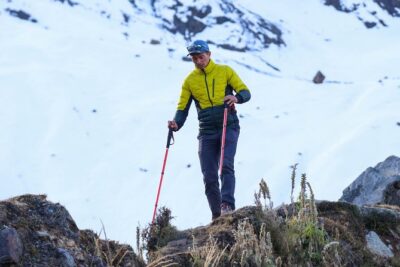
Pack warm clothes, gloves, hiking shoes, sun protection, a hat, sunglasses, a headlamp or flashlight, swimwear and a towel if you plan to use the hot springs. Bring cash for fees and extras, plus a reusable water bottle. Biodegradable sunscreen and insect repellent are on the recommended list. The operator provides a first-aid kit, walkie-talkies and oxygen for emergencies, but that is backup, not a substitute for being prepared.
The pre-trek briefing takes place at the operator’s office at 6 p.m. on the day before departure. Use it to confirm what is included in your particular booking, the Machu Picchu ticket arrangement, your return transport and any optional activities. The trek is offered as 5 days and 4 nights or 4 days and 3 nights, while the detailed schedule here describes five days. Confirm which version you are buying, since the shorter option’s daily schedule is not specified here.
Should you book it?
Book this trek if the high pass, Humantay Lake, the valley descent and an Inca trail approach to Machu Picchu are worth several demanding days to you. The fresh meals, glamping-style camps and included hotel night add real comfort, while the chef-prepared food and flexible vegetarian or vegan options make the package easier to live with on the trail.
Think twice if you want a low-cost trip with few add-ons, dislike long walks beside railway tracks or are unsure about strenuous hiking at altitude. Before paying, confirm the exact trip length, total price, Machu Picchu ticket and return transport. If those details line up with your budget and fitness, this is a compelling way to reach Machu Picchu by a route that offers much more than the final arrival.
FAQ
Is this trek four days or five days?
The experience is offered as either 5 days and 4 nights or 4 days and 3 nights. The detailed schedule provided covers five days, so confirm the itinerary for the version you plan to book.
How high does the trek go?
The highest listed point is Salkantay Pass at 4,630 metres. Humantay Lake is at 4,200 metres, and Llactapata is at 2,700 metres.
Is the Machu Picchu entrance ticket included?
No. The guided visit is included, but the Machu Picchu entrance ticket is not. A Circuit 2B ticket at 7 a.m. is listed at US$45, subject to availability.
What meals are included?
The five-day package includes five breakfasts, four lunches, four dinners, three snacks and three afternoon tea times. Vegetarian and vegan options are available on request at no extra charge.
How much luggage can the horses carry?
You can pack up to six kilos of personal belongings in the duffle bag carried by horses. You carry your own daypack.
Are the hot springs and zipline included?
No. Hot springs entry costs PEN 10, transport costs PEN 40, and the optional zipline is listed at US$28.
What are the accommodation arrangements?
The package includes three nights in glamping-style camps, Sky Huts or domes, plus one night in a three-star hotel in Aguas Calientes.
How do I return to Cusco?
A bus from Hidroeléctrica is listed at US$12. The train option costs about US$90 and includes a train to Ollantaytambo followed by a bus to Cusco. The bus route requires a two-hour walk from Machu Picchu town to Hidroeléctrica.
What should I bring?
Bring your passport or ID, warm clothes, hiking shoes, a daypack, reusable water bottle, cash, flashlight, sun protection and a charged phone. A sleeping bag and walking sticks are recommended and can be rented for US$10 each for the trek.
More hikes and treks around Cusco
- From Cusco: 7 Lakes Ausangate Trek with Breakfast and Lunch
★ 4.8 · 360 reviews - Cusco: Rainbow Mountain Tour and Red Valley Hike (Optional)
★ 4.7 · 149 reviews - Cusco: Full-Day Rainbow Mountain & Red Valley Trekking Tour
★ 4.5 · 121 reviews - From Cusco: Rainbow Mountain Trek
★ 4.5 · 98 reviews
Just added around Cusco
- Zipline over the Sacred Valley Trip★ 5.0 · 11 reviews
- Visit Pisac from Cusco: Private Transport★ 4.6 · 9 reviews
- TRIP FROM PUNO TO CUSCO WITH THE ROUTE OF THE SUN★ 4.7 · 16 reviews
- Vinicunca Mountain Tour – Full Day Tour to Rainbow Mountain★ 3.4 · 4 reviews
- Valle Sur Cusco | half day★ 4.3 · 3 reviews
- Trek to Choquequirao 4 days★ 3.8 · 4 reviews
- Trek to Humantay Lake from Cusco★ 4.9 · 8 reviews
- 2 Day – Short Inca Trail to Machu Picchu – Group Service★ 5.0 · 30 reviews
Salkantay Treks, compared.
Small Group 5 Days Salkantay and Machu Picchu by Llactapata Tour
Read our review →
Salkantay Trek 4 Days to Machu Picchu by Glamping Sky Lodge Dome
Read our review →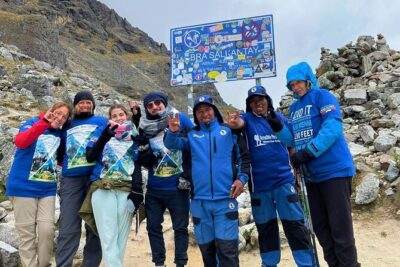
5-Day: Salkantay Trek to Machupicchu and Humantay Lake
Read our review →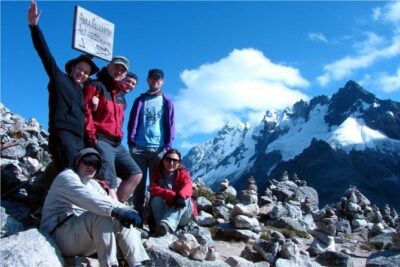
Browse the lists this tour appears in