
Reviewed · SALKANTAY TREKS
From Cusco: Salkantay Trek to Machu Picchu 5D/4N or 4D/3N
Salkantay earns its place on the map with a demanding crossing at 4,630 meters, a stop at turquoise Humantay Lake, and a final approach to Machu Picchu on foot. This is not a quick add-on from Cusco. It is a multi-day trek through sharply changing climates, with long walks and an early start on the last morning.
I like two things in particular: the route pairs big Andean scenery with the chance to see villages, waterfalls and fruit-growing country, and the practical support includes a cook, camp meals and a 6-kilo duffel allowance. Guide Fernandez, chef Edgar and assistant Eulogio are named by the operator’s recent trip account, with Fernandez praised for trail support and Edgar for healthy, tasty food.
The main caution is the fine print. The advertised $50 price does not tell the whole cost: Machu Picchu entry, the Humantay fee, some transport and optional gear are extra or require payment later. The four-day route is also less fully described than the five-day version, so pin down the route and ticket circuit before paying.
At a glance: five details that matter
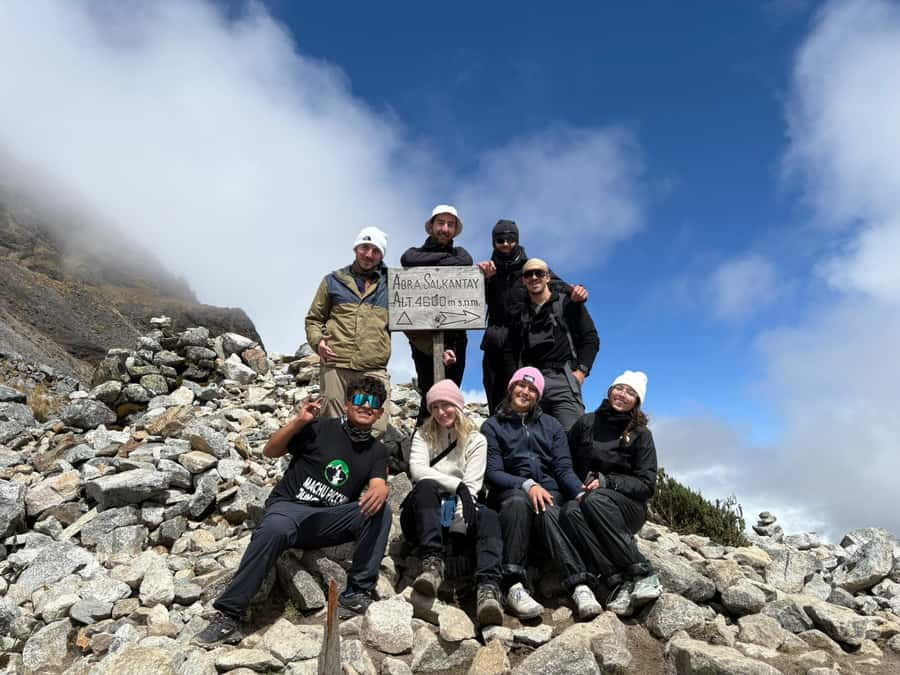
- Salkantay Pass tops out at 4,630 meters, so expect a strenuous high-altitude day, not a casual walk.
- Humantay Lake sits at 4,200 meters and adds a steep uphill section after the first day’s hike.
- You get a 6-kilo duffel allowance, carried by horse along with cooking equipment. Ask how your bag gets from Lucmabamba to Aguas Calientes.
- Machu Picchu entry needs advance attention. The tour lists circuits 2A or 2B, but access depends on government availability.
- The five-day option includes a hot-springs stop, while the four-day route cuts a day and has different transport arrangements.
- The listed $50 is not an all-in price. Budget separately for entry fees, bus tickets and other listed extras.
From Cusco to Humantay Lake: a big first day
The trek begins with pickup from your hotel or Airbnb in Cusco’s historic center, followed by an early drive. The detailed schedule calls for a 4:30 a.m. pickup and about three hours on the road to the trail area, with breakfast along the way. That start is useful for getting walking time in before the day runs away with you, but it makes the previous evening a good one for an early bed.
After breakfast, you hike toward Soraypampa, at 3,800 meters. The route description estimates about three hours for this section, followed by lunch. Then comes the climb to Humantay Lake, at 4,200 meters. Plan on roughly two hours uphill, with another two hours to reach camp afterward. Those estimates can vary with pace and conditions, so take the day’s climb steadily rather than treating the schedule as a race.
The lake is a dramatic first-day reward, but the altitude makes it more than a photo stop. You will be walking high above Cusco, and the route keeps climbing after the lake. The local entrance fee is listed separately at PEN 20 per person, so ask whether you pay it on the day.
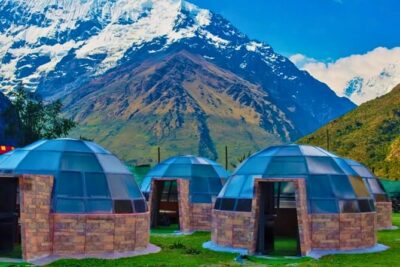
The evening brings dinner at camp and, on the five-day version, a night in a cabin. Tea, coffee, popcorn, cookies and chocolate are provided at afternoon tea, with coca tea in the morning. Those small comforts matter after a long walk, particularly when you are adjusting to the elevation.
There is one itinerary detail worth clearing up before you go: the first day’s description ends at a campsite after Humantay, while the second day is described as starting from Soraypampa. Ask the operator to confirm the actual overnight locations and the next morning’s starting point. A clear answer will help you understand the daily walking load.
More Machu Picchu tours around Cusco:
- From Cusco: Full-Day Group Tour of Machu Picchu
★ 4.7 · 1,767 reviews - Machu Picchu Day Trip from Cusco
★ 4.5 · 1,644 reviews - Machu Picchu: Full-Day Tour from Cusco with Optional Lunch
★ 4.6 · 927 reviews
Crossing Salkantay Pass at 4,630 meters
Day two is the trek’s high point in both senses. After an early hot drink, the route climbs for about three hours to Salkantay Pass, at 4,630 meters. You also visit a nearby lake before starting a long descent to lunch at Wayracmachay.
The day continues downhill for roughly three more hours to camp near Chaullay or Collpapampa, at about 2,770 meters. In practical terms, this is a full day on foot, with a substantial climb followed by a long descent. The change in elevation and terrain is part of the appeal, but it can also be tiring on your knees and legs.
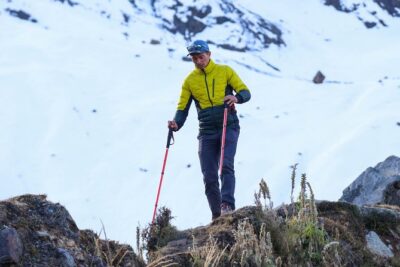
Take warm layers, rain protection and water, as the weather can shift on a high mountain route. The tour’s packing advice includes comfortable shoes, a hat, sunscreen and rain gear. Trekking poles are not included, but you can rent a pair for $10 for the trip. If you use poles on steep descents, that extra may be worthwhile.
The horse carries the 6-kilo duffel and cooking equipment, but that does not mean you can leave every essential behind. Keep your passport, water, rain layer and other items you need during the day with you. Confirm the duffel arrangements and what you should carry in your daypack at the briefing.
From mountain country to the Santa Teresa rainforest
Day three trades cold, high ground for warmer, greener country. The route passes through the Santa Teresa rainforest, crossing wooden bridges and going by waterfalls and plantations of bananas, passion fruit and avocados. This change in scenery is one of the trek’s pleasures: the walk is not only about reaching the pass, but also about seeing how quickly the region’s climate and vegetation change as you descend.
The group stops for a buffet lunch at La Playa. From here, the five-day itinerary continues toward Lucmabamba and offers a visit to Cocalmayo hot springs, with the entrance fee listed at PEN 10 per person. Transport to the springs costs extra, with the price depending on how many people are going. If you would rather save your energy, the itinerary also allows time to rest at camp.
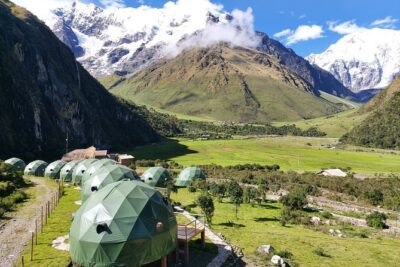
A group bonfire and dinner are planned for the evening. Cabin accommodation is included on the five-day trip, but the exact number of cabin nights differs by option: three nights for five days and two nights for four days, plus one hotel night in Aguas Calientes.
The four-day version departs from the five-day group at La Playa, according to the route description. It requires separate transport from La Playa to Hidroeléctrica, and the price depends on the number of people traveling. Since the shorter trek’s complete day-by-day schedule is not provided, ask what walking you skip, where you sleep and how you rejoin the route.
Llactapata, Hidroeléctrica and the walk to Aguas Calientes
On day four of the five-day trek, you set out after breakfast and follow part of the original Inca Trail toward Llactapata, an archaeological site at 2,700 meters with a view toward Machu Picchu. The climb takes about two hours, followed by another two-hour descent to Hidroeléctrica for lunch.
From there, you walk to Aguas Calientes, check into a hotel and have dinner with the group at 7 p.m. This is a long final approach before the main event, but it gives you a night in town rather than another camp night. It also means the next morning begins early, so keep the evening simple and have your walking gear ready.
One important luggage question comes here. Transfer of duffel bags from Lucmabamba to Aguas Calientes is not included. The bag may be transported by car, or you may carry it yourself. Ask what the transport costs and when you need to decide. This is a small detail with a large effect if you have been counting on a porter to handle all your belongings.
More Salkantay treks around Cusco:
- Salkantay Trek Challenge – 3 Days / 2 Nights
★ 5.0 · 101 reviews - Small Group 5 Days Salkantay and Machu Picchu by Llactapata Tour
★ 5.0 · 88 reviews - Machu Picchu: 5-Day Salkantay Trek with Panoramic Train
★ 5.0 · 79 reviews - Salkantay Trek 4 Days to Machu Picchu by Glamping Sky Lodge Dome
★ 5.0 · 68 reviews
Machu Picchu at dawn, with a circuit to confirm
The final day begins early in Aguas Calientes. The stated plan is to climb the stairs to Machu Picchu’s main gate, a walk of about an hour, arriving around 6:30 a.m. A guided visit lasts about two and a half hours. The included guided circuit is listed as 2A or 2B, but the circuit you receive depends on ticket availability.
The operator also outlines other circuit types: 3B covers the lower area, middle viewpoint and sacred temples, while 1B focuses on the upper terrace and classic photo view. These are not interchangeable experiences. Check which circuit is available and included before you reserve, especially if you have a particular part of the site in mind.
The entry arrangements need extra care. The tour says Machu Picchu entry is arranged according to government availability and asks you to pay PEN 152 at the briefing. Elsewhere, the exclusions list entry at USD 60 or PEN 152, and says that if online tickets are unavailable you may need to buy one in person in Aguas Calientes. Treat the ticket as a cost to confirm, not as a settled inclusion. Send your passport details promptly, and the operator recommends booking two to four months ahead.
Getting back to Cusco also needs a decision. The car option requires walking back to Hidroeléctrica, where transport is expected to wait; the stated return window is between 6 a.m. and 9 a.m. at the latest. The train option runs from Aguas Calientes to Ollantaytambo, followed by a local car to Cusco, and you choose the train time. The information does not make clear which return costs are covered, so confirm transport and tickets before the trek.
What the $50 price does and does not cover
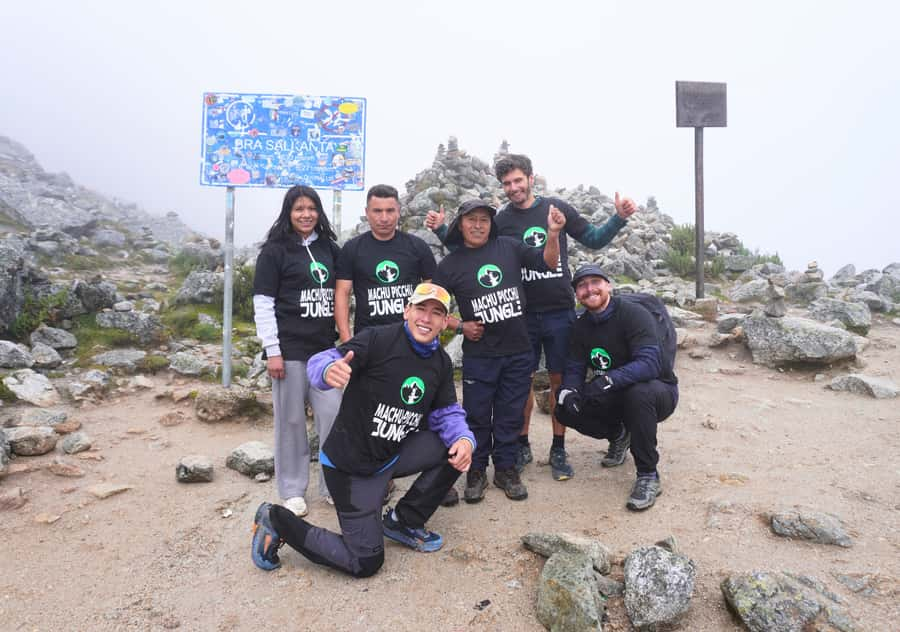
At $50 per person, the headline price looks unusually low for a guided multi-day trek with meals, cabins and a Machu Picchu visit. The included support is meaningful: private transport from Cusco to the trail start, an English- or Spanish-speaking guide, a professional cook, cooking equipment, afternoon snacks, and most meals. Vegetarian and vegan meals are available at no extra charge.
But the total is higher once you add the costs that are listed separately. Budget for Machu Picchu entry, the Humantay fee, the bus between Aguas Calientes and Machu Picchu if you do not want to walk, and any rental gear. The bus is listed at $12 each way. A sleeping bag costs $15 to rent for the trip, and trekking poles cost $10. On the five-day route, add the hot-springs entry and transport if you go.
The first breakfast, last lunch and dinner are not included. The five-day option covers four breakfasts, lunches and dinners; the four-day option covers three of each. The return transport details, duffel transfer and the four-day connection from La Playa are other points to price and verify. The true value depends on what is included in your particular booking, not the low starting figure alone.
The trip allows free cancellation up to 24 hours ahead and offers reserve-now, pay-later terms. Those are helpful if plans are still shifting, but they do not replace the need to settle ticket availability and total costs before departure.
Guides, meals and the kind of trek this suits
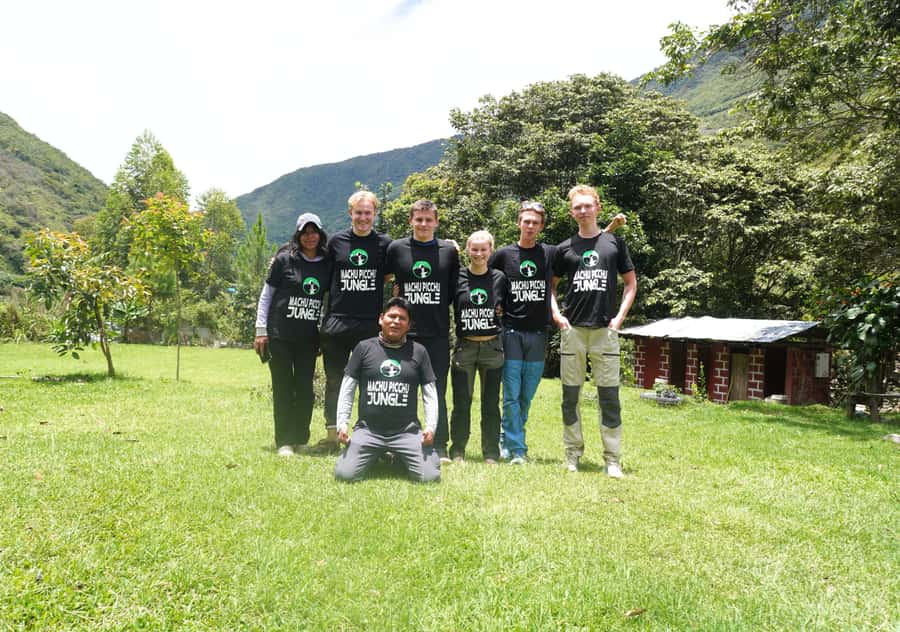
The human support can make a demanding route feel more manageable. Guide Fernandez is named for patient help on the trail and strong knowledge of the route; chef Edgar is noted for tasty, healthy cooking, and Eulogio for being ready to help. Staff can change, so do not assume a particular person will lead your departure, but the roles give you a sense of the support this trip aims to provide.
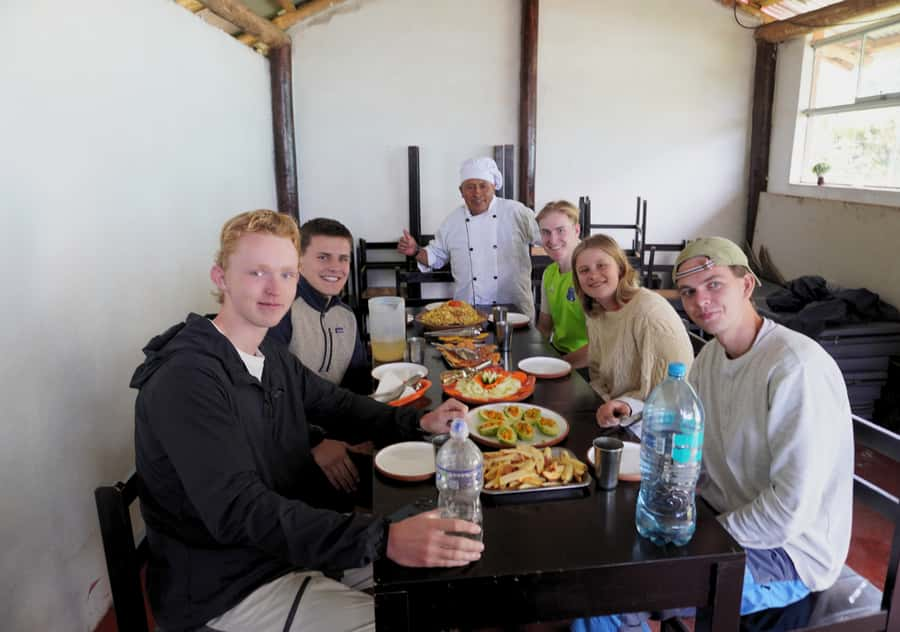
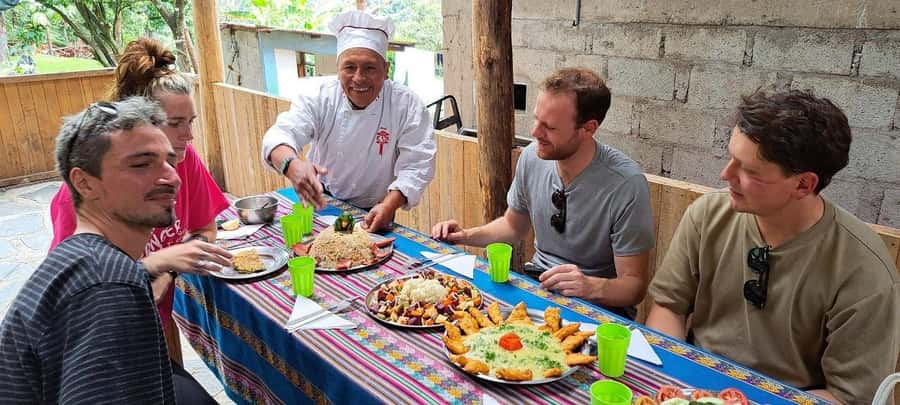
Meals are more than a line in the inclusions. A professional chef prepares food, and the schedule includes regular breakfasts, lunches and dinners, as well as afternoon tea with snacks. That saves you from arranging food along a remote multi-day route. Just remember that the first breakfast and final lunch and dinner are yours to arrange.
This trek suits you if you want to reach Machu Picchu by walking, value a guide and prepared meals, and are comfortable with long days at high altitude. It is less suitable if you want a gentle approach, a short visit, or a fixed all-in price with every ticket and transfer settled in advance. The listed group type is private, but confirm the size and whether the trip is private for your booking.
Should you book this Salkantay trek?
I would consider this trip if the mountain route matters as much to you as the citadel. Humantay Lake, the high pass, the descent into warmer country and the approach through Llactapata make the trek a substantial experience in its own right. The cook, guide and duffel support add real value over organizing every element yourself.
Before booking, get written confirmation of the Machu Picchu circuit, entry payment, total transport costs, overnight locations on the first two days, and the exact four-day itinerary if that is your choice. If those answers are clear and you are prepared for strenuous high-altitude walking, the five-day option gives you the fullest route described here. If you are short on time, the four-day version may work, but only after you know exactly what it removes and how the La Playa transfer is handled.
FAQ
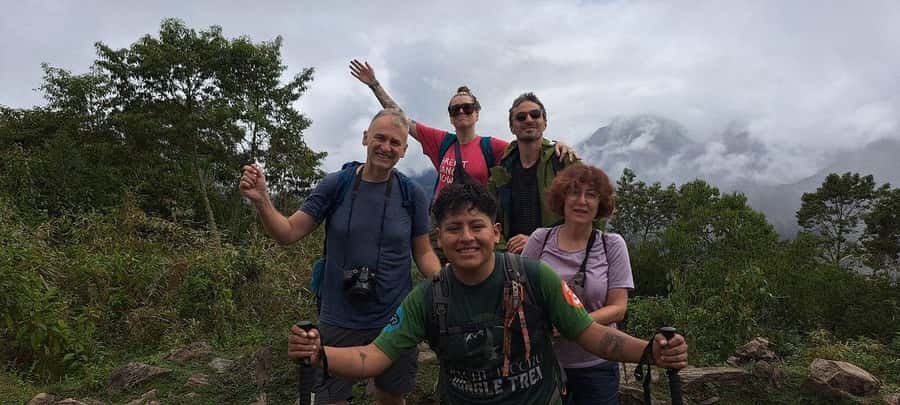
How long is the Salkantay trek?
You can choose a four-day or five-day version. The five-day route includes the full itinerary described here, with a visit to Cocalmayo hot springs on day three.
How high is Salkantay Pass?
The pass reaches 4,630 meters. Humantay Lake is at 4,200 meters, and the trek also passes through camps and villages at lower elevations.
Is Humantay Lake included?
The route includes a visit to Humantay Lake, but its entrance fee is listed separately at PEN 20 per person.
Which Machu Picchu circuit is included?
The guided visit is listed for circuit 2A or 2B, subject to government ticket availability. Confirm the circuit before booking, since other circuits cover different areas.
Is Machu Picchu entry included in the $50 price?
The tour information gives conflicting wording: it says entry is arranged and paid for later, while also listing the fee as an exclusion. Confirm ticket availability and the exact payment required before you book.
What meals are included?
The five-day trip includes four breakfasts, four lunches and four dinners. The four-day trip includes three of each. The first breakfast and the final lunch and dinner are excluded.
Are sleeping bags and trekking poles provided?
They are not included, but you can rent a sleeping bag for $15 and trekking poles for $10 for the whole trip.
How does the return from Machu Picchu to Cusco work?
You can walk back to Hidroeléctrica for a vehicle, or take a train from Aguas Calientes to Ollantaytambo and then a local car to Cusco. Confirm which transport costs are included in your booking.
What should I bring?
Bring your passport, comfortable shoes and clothes, a hat, sunscreen, water, a camera and rain gear. Send your passport details in advance so reservations can be processed.
More hikes and treks around Cusco
- From Cusco: 7 Lakes Ausangate Trek with Breakfast and Lunch
★ 4.8 · 360 reviews - Cusco: Rainbow Mountain Tour and Red Valley Hike (Optional)
★ 4.7 · 149 reviews - Cusco: Full-Day Rainbow Mountain & Red Valley Trekking Tour
★ 4.5 · 121 reviews - From Cusco: Rainbow Mountain Trek
★ 4.5 · 98 reviews
Just added around Cusco
- Zipline over the Sacred Valley Trip★ 5.0 · 11 reviews
- Visit Pisac from Cusco: Private Transport★ 4.6 · 9 reviews
- TRIP FROM PUNO TO CUSCO WITH THE ROUTE OF THE SUN★ 4.7 · 16 reviews
- Vinicunca Mountain Tour – Full Day Tour to Rainbow Mountain★ 3.4 · 4 reviews
- Valle Sur Cusco | half day★ 4.3 · 3 reviews
- Trek to Choquequirao 4 days★ 3.8 · 4 reviews
- Trek to Humantay Lake from Cusco★ 4.9 · 8 reviews
- 2 Day – Short Inca Trail to Machu Picchu – Group Service★ 5.0 · 30 reviews
Salkantay Treks, compared.
Small Group 5 Days Salkantay and Machu Picchu by Llactapata Tour
Read our review →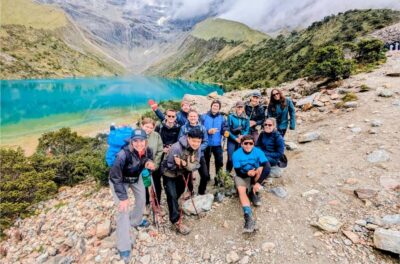
Salkantay Trek 4 Days to Machu Picchu by Glamping Sky Lodge Dome
Read our review →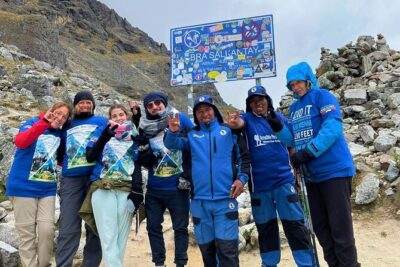
5-Day: Salkantay Trek to Machupicchu and Humantay Lake
Read our review →
Browse the lists this tour appears in