
Reviewed · CUSCO MULTI-DAY TOURS
Trek to Choquequirao 4 days
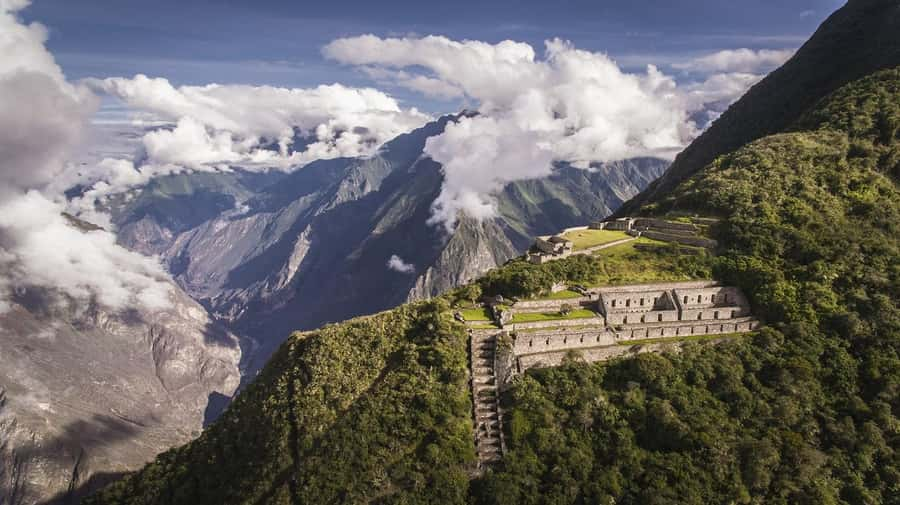
Choquequirao is an Inca archaeological site reached by a hard, four-day trek through the Apurímac Canyon country. The journey is as much the point as the ruins: you descend from Capuliyoc, climb to camps, then spend several hours exploring the site before retracing your route.
I like two things in particular: the generous time at Choquequirao, where a guide explains the complex and you can explore on your own, and the practical support of cooks, muleteers and a small group capped at 15. The food and the guide’s role are among the trek’s strongest points, and the shared effort can make the camps feel companionable.
The trade-off is substantial effort. You face steep climbs and descents on all four days, including an early final ascent, so this is not a casual walk with ruins at the end. Plan for the additional entrance fee, water, and any personal extras, too.
Key points before you book
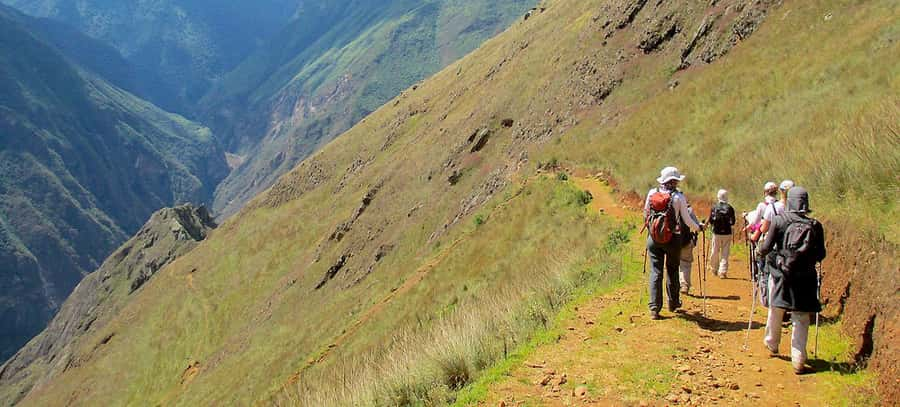
- Four days of sustained hiking: The route includes long descents into the canyon and hard climbs back out.
- A full visit to Choquequirao: Reach the ruins on Day 2, with a guided explanation and time to explore independently.
- Camps along the route: Three nights are spent in rural accommodation, with meals included.
- A small group and bilingual guide: Groups are limited to 15, and the guide speaks Spanish and English.
- The advertised $366 is not the whole budget: Entrance, some meals, drinking water and optional equipment or services cost extra.
Why Choquequirao takes effort
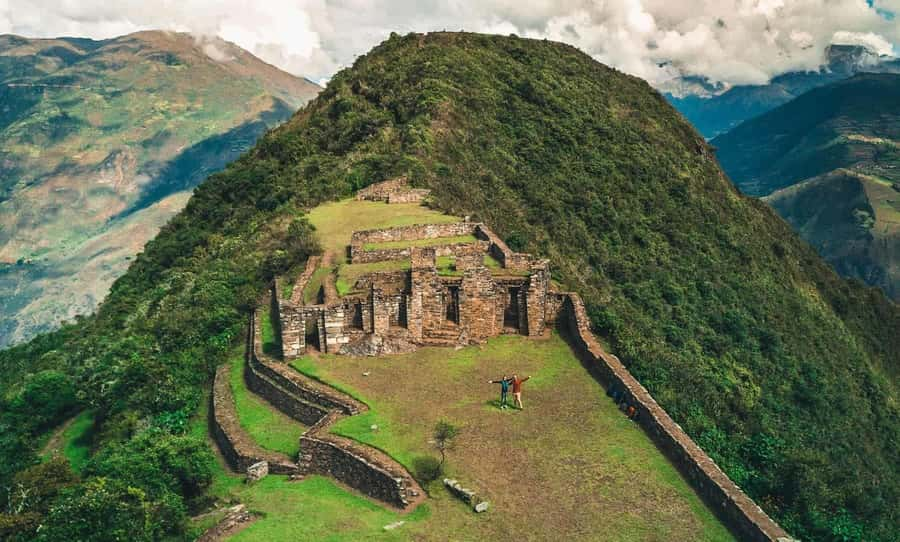
Choquequirao is often called Machu Picchu’s sister city, but getting there is a very different undertaking. Rather than arriving by a short transfer, you reach the archaeological complex after descending and climbing through a canyon route, then walk the same general corridor back toward Capuliyoc.
That physical approach is part of the attraction. The trek gives you time in the countryside and a sense of how demanding the terrain is, before you stand among the archaeological remains. This is a trip for people who want the effort as well as the destination.
The tour description calls it one of the hardest treks in Cusco. That is a useful warning, not marketing drama: the four days repeatedly trade downhill walking for uphill walking, and the itinerary includes several hours of hiking most days. There is no easy final day. The last morning alone calls for about four hours of uphill walking.
You do not need to be an expert mountaineer based on the information provided, but you should be comfortable with sustained hiking and uneven, steep terrain. If you are unsure about your fitness, take the route’s demanding profile seriously and ask the operator for current advice before booking.
More multi-day trips around Cusco:
- Cusco: 4-Day Inca Trail to Machu Picchu with Accommodation
★ 4.8 · 432 reviews - From Cusco: 2-Day Trip to the Sacred Valley and Machu Picchu
★ 4.6 · 265 reviews - Cusco: Machu Picchu 2-Day Inca Trail with Panoramic Train
★ 4.9 · 260 reviews
Day 1: Capuliyoc to Santa Rosa
The day begins early, with pickup at the meeting point in Cusco at 5 a.m. The drive to Curawasi takes about three hours, where the group stops for breakfast. That first meal is not included, so bring money and allow for the stop rather than assuming you will be fed from the start.
From there, it is about another hour by car to Capuliyoc Viewpoint, where the hike begins. The first major section is a descent of roughly three hours to Chiquisca. Cooks prepare lunch there, an important pause before you continue lower toward Playa Rosalinas.
After resting at Playa Rosalinas, the route turns uphill for about two hours to Santa Rosa, the first camp. It is a demanding opening day: you have been on the move since before dawn, and the final climb arrives after a long descent. Take your time, drink regularly, and keep a little energy in reserve for the climb to camp.
At Santa Rosa, the team sets up camp and serves dinner. The itinerary describes rural accommodation rather than hotel-style lodging, so expect a simple overnight stop built around the route. A hot shower and towels are not included; these are available for an extra 40 soles per person.
Day 2: A morning at Choquequirao
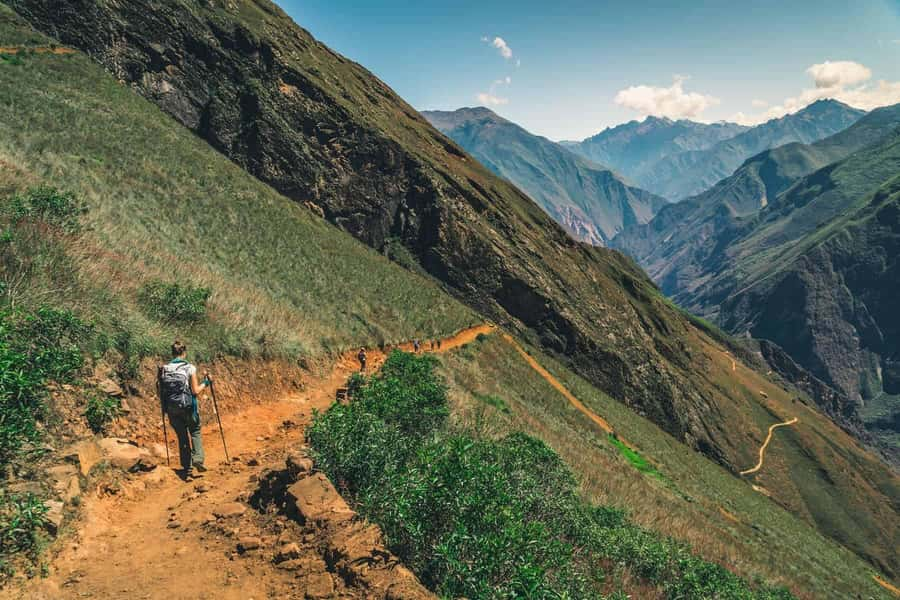
The cooks wake the group around 6 a.m. with hot coca tea, followed by breakfast. From camp, you walk uphill for about two hours to Maranpata. The muleteers, cooks and horses stay there while the group continues to the archaeological complex.
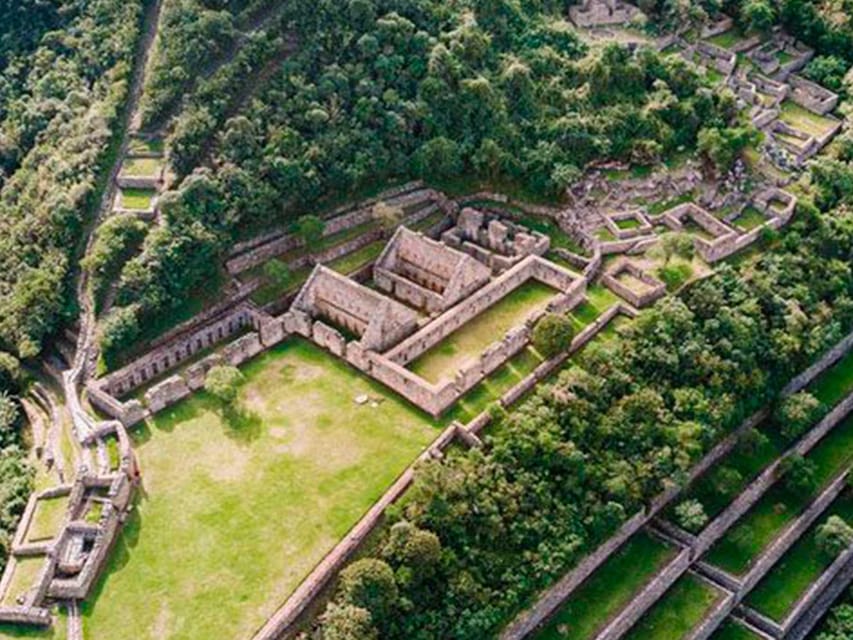
Choquequirao is the main event, and the schedule gives you meaningful time there. The group is expected to arrive around 9:30 a.m. A guide explains the site, then you have time to explore on your own. That balance matters: a guide can give the ruins context, while independent time lets you pause and look around at your own pace.
The site’s historical and archaeological interest is clear, but the information here does not specify particular buildings, sectors or artifacts on the route. Go in ready to listen and explore rather than expecting a set list of named highlights. The landscape and the ruins are the focus, not a visitor center or polished museum experience.
Lunch is brought to Choquequirao by the support team, so you do not have to return to camp in the middle of your visit. In the afternoon, you walk back to Maranpata for dinner and a second night in camp. This is a welcome arrangement after the approach, but remember that the day still involves an uphill walk before the site and a return leg afterward.
Day 3: Down to the Apurímac River
Breakfast is around 8 a.m., then the return journey begins with a descent of about three hours to the Apurímac River. After the uphill and downhill work of the first two days, this section takes you back toward the canyon floor. The river stop is a chance to rest and have lunch prepared by the cooks.
The rest is temporary. From the river, expect about two hours of climbing to Chiquisca, the third camp. It is worth treating lunch as a proper recovery break, not a sign that the day’s walking is finished.
At Chiquisca, the schedule leaves room to interact with local people and try a typical sugarcane drink. This is one of the few specifically described chances to connect with life along the route, rather than simply walking between camps. Dinner and the final night in camp follow.
More hikes and treks around Cusco:
- From Cusco: 7 Lakes Ausangate Trek with Breakfast and Lunch
★ 4.8 · 360 reviews - Cusco: Rainbow Mountain Tour and Red Valley Hike (Optional)
★ 4.7 · 149 reviews - Cusco: Full-Day Rainbow Mountain & Red Valley Trekking Tour
★ 4.5 · 121 reviews - Salkantay Trek Challenge – 3 Days / 2 Nights
★ 5.0 · 101 reviews
Day 4: The climb back to Capuliyoc
The last day starts early. After breakfast around 5 a.m., you climb for about four hours to Capuliyoc Viewpoint. The early departure is intended to avoid the area’s intense sun, and the timing makes practical sense on a long uphill stretch.
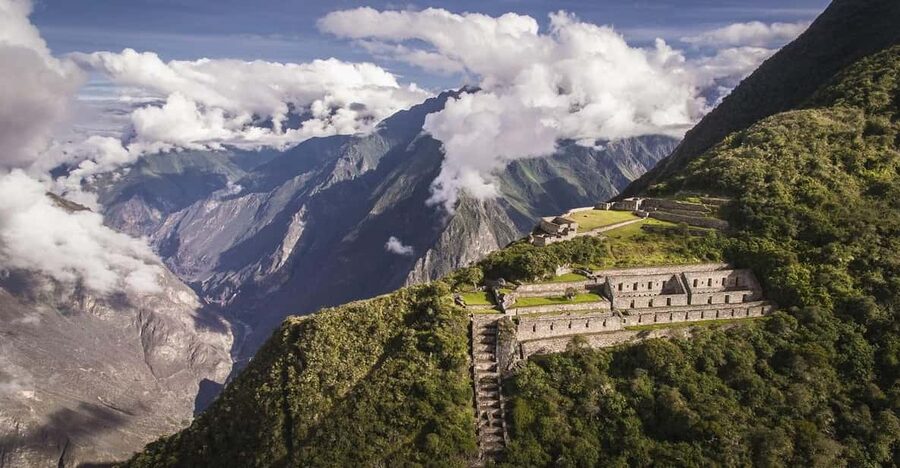
At Capuliyoc, you can take in views of the surrounding mountains and the Apurímac Canyon while lunch is prepared. After eating, the group drives back to Cusco, arriving at about 4:30 p.m. That arrival time is an estimate in the schedule, so avoid planning a tight onward connection that afternoon.
The final ascent is a fitting measure of the trek’s character: even after reaching the ruins, you still have to earn your way back out. If you are looking for a trip with a soft landing, this is not it. If you enjoy a physical challenge and want a route where the journey itself feels consequential, the climb is part of the reward.
What the $366 price covers, and what it does not
At $366 per person, the package includes transport from Cusco to Cachora and back, meals, three nights in rural accommodation, a tour guide, and a muleteer with a mule for extra luggage. It also includes one bag for up to 5 kg of extra luggage. That support is useful: you can keep your day-to-day load lighter while the mule carries the stated extra bag.
The entrance ticket is separate: 60 soles for adults and 30 soles for students. Your first breakfast and final dinner are also not included. Budget separately for drinking water, including water for your canteen, and travel insurance.
Optional items listed include trekking poles for 30 soles per pair, horseback riding for 200 soles, Wi-Fi for 20 soles, and a hot shower with towels for 40 soles per person. Trekking poles appear among the exclusions, so do not assume they are part of the package. The tour information also says water is not included, making it sensible to clarify what refills or supplies are available on the route.
The value is strongest if you want the guide, meals, camp support, transport and mule assistance handled as one package. The add-ons can change the total, and the extra entrance fee is a meaningful part of the budget. Work out your likely costs before you book, especially if you expect to use a horse, rent poles or buy water along the way.
Guide, food and group size
The guide speaks English and Spanish, and the group is limited to 15 participants. A group of that size is small enough for questions and conversation without making the trip feel like a private trek. No guide’s name is provided, so you cannot choose the trip based on a particular leader.
The guide’s role is especially valuable at Choquequirao, where the visit includes an explanation of the site as well as independent time. A good guide helps make the ruins more than a photo stop, and the strongest praise for this experience has centered on the guide, the food, the scenery and the challenge.
Meals are included apart from the first breakfast and last dinner. Cooks prepare lunch at Chiquisca on Day 1, bring lunch to the archaeological complex on Day 2, and prepare lunch by the river on Day 3. That meal support takes a real burden off you during long hiking days, though you should confirm any dietary needs directly with the provider rather than assume they can be accommodated.
The group element is part of the experience. Shared meals and camps can make a hard route more sociable, and the small-group limit keeps the head count manageable. Still, you will spend long stretches walking, and the pace needs to suit the group. If you prefer to hike alone or set your own schedule, a guided group trek may feel restrictive.
Who should choose this trek
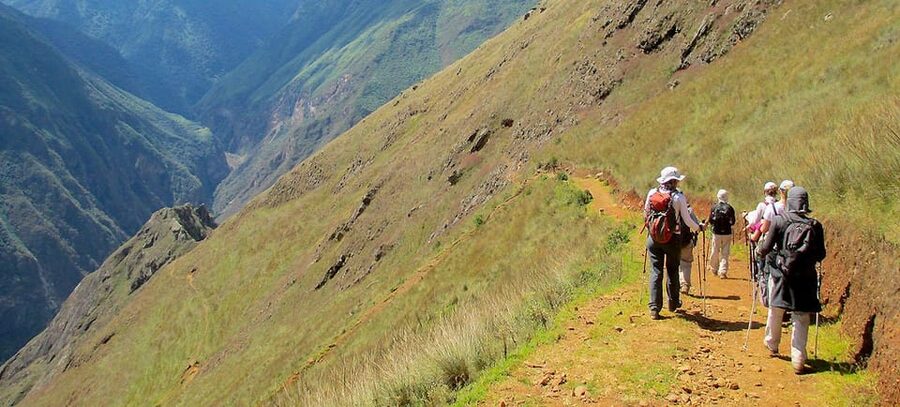
This route suits fit hikers who want a demanding multi-day walk and are keen to spend time at an archaeological site away from the usual quick-access circuit. You should be happy with early starts, rural camps, basic facilities and repeated uphill and downhill sections.
It is a less natural fit if you want a relaxed sightseeing holiday, need a hotel bed each night, or would rather avoid carrying any personal hiking supplies. The included mule service helps with up to 5 kg of extra luggage, but it does not remove the need to bring your own daypack and essentials.
There is an English- and Spanish-speaking guide, but that does not guarantee every group discussion will suit every participant. If language matters to you, confirm which language will be used for your departure. The tour is listed as small group, with a maximum of 15.
Should you book it?
Book this trek if you are prepared for four strenuous days and want the effort of reaching Choquequirao to be part of the experience. The guided visit, included meals, camp support and mule assistance add practical value to the $366 price, while the site and canyon route give the trip a strong sense of purpose.
Think twice if the climbs sound like a burden rather than a challenge, or if the additional entrance fee and supplies would stretch your budget. Before paying, confirm what drinking water is available, how your dietary needs can be handled, and which optional costs you are likely to face. The route rewards preparation more than bravado.
FAQ
How long is the Choquequirao trek?
The tour lasts four days, with three nights in rural accommodation.
What is the price per person?
The listed price is $366 per person. The entrance ticket and several other costs are not included.
How much is the entrance ticket?
The ticket costs 60 soles for adults and 30 soles for students.
What languages does the guide speak?
The guide speaks Spanish and English.
How large is the group?
The tour is limited to 15 participants.
Are meals included?
Meals are included except for the first breakfast and the last dinner. Drinking water is not included.
What luggage support is provided?
A muleteer and mule are included for extra luggage, along with one bag with a 5 kg capacity.
Can I cancel for a refund?
You can cancel up to 24 hours in advance for a full refund. The tour also offers a reserve-now, pay-later option.
More four-day trips around Cusco
- 4 Day Tour to the Manu National Park
★ 5.0 · 81 reviews - Choquequirao Trek 4 days and 3 nights
★ 5.0 · 81 reviews - Cusco Sacred Valley and Machupicchu 4 Days
★ 5.0 · 80 reviews - Ancascocha Trek To Machu Picchu 4 Days And 3 Nights
★ 5.0 · 77 reviews
Just added around Cusco
- Zipline over the Sacred Valley Trip★ 5.0 · 11 reviews
- Visit Pisac from Cusco: Private Transport★ 4.6 · 9 reviews
- Valle Sur Cusco | half day★ 4.3 · 3 reviews
- TRIP FROM PUNO TO CUSCO WITH THE ROUTE OF THE SUN★ 4.7 · 16 reviews
- Vinicunca Mountain Tour – Full Day Tour to Rainbow Mountain★ 3.4 · 4 reviews
- Trek to Humantay Lake from Cusco★ 4.9 · 8 reviews
- Exclusive Huayna Picchu Tour in 1 Day from Cusco★ 5.0 · 31 reviews
- Transfer from Cusco to Ollantaytambo★ 5.0 · 30 reviews
Cusco Multi-Day Tours, compared.
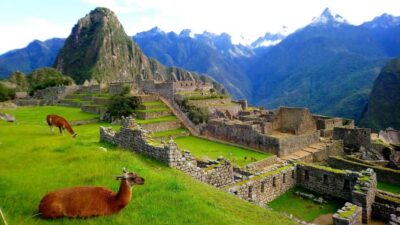
4-Day Inca Trail to Machu Picchu with Accommodation
Read our review →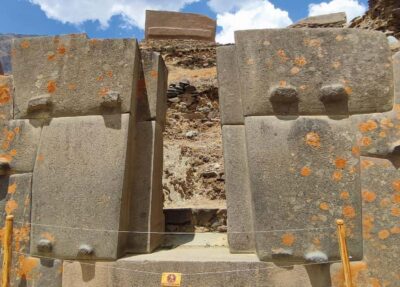
2-Day Trip to the Sacred Valley and Machu Picchu
Read our review →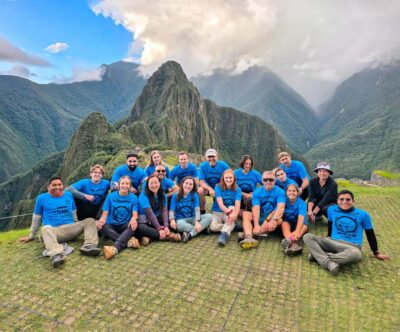
Machu Picchu 2-Day Inca Trail with Panoramic Train
Read our review →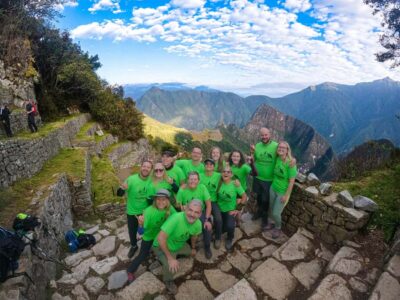
Small Group 5 Days Salkantay and Machu Picchu by Llactapata Tour
Read our review →
2-Day Machu Picchu Tour by train from Cusco ( All included )
Read our review →
Browse the lists this tour appears in