
Reviewed · SALKANTAY TREKS
Salkantay Trek Challenge – 3 Days / 2 Nights
Salkantay’s big reward comes fast: in three days, you climb from the high Andes over a 4,630-meter pass, descend toward the humid forest, and finish at Machu Picchu. This is a compressed route, not a gentle warm-up. The first day is the hardest, with altitude and a long climb to contend with.
I like two things in particular: the dramatic shift from glaciers and high mountain air to coffee-growing country, and the practical support, including meals, a guide, transport, and a horse carrying up to 5 kilograms of your gear. The final guided visit to Machu Picchu gives the trek a clear, memorable finish.
The trade-off is the pace. You start around 3 a.m., walk for long stretches, and have little time to recover between demanding days. If you arrive in Cusco without time to adjust to the altitude, or if you are very sedentary, this is not the trek to take lightly.
- The Salkantay Pass reaches 4,630 meters, making altitude and preparation central to the experience.
- Day one is the toughest stretch, with a climb to the pass followed by a descent toward warmer forest.
- You sleep in two different settings, a mountain camp at Collpapampa and a hotel in Aguas Calientes.
- A horse carries up to 5 kilograms of personal gear, but you still need a daypack for the trail.
- The group is limited to 12, with an experienced mountain guide, cooks, horsemen, and porters.
- Machu Picchu entry is included, with Circuit 2 planned for bookings made three months ahead, subject to availability.
Three days from the high Andes to Machu Picchu
At $680 per person, this is an ambitious way to connect Cusco, the Salkantay route, and Machu Picchu without spending a week on the trail. The price covers more than guided hiking: private transport, meals, two nights of accommodation, trek equipment, entrance fees, a bus up to Machu Picchu, and the tourist-class train from Aguas Calientes to Ollantaytambo are included.
That bundle can make the cost worthwhile, especially if you would otherwise arrange each transfer, meal, ticket, and overnight stay yourself. Still, $680 is not the full cost of every possible choice. The optional train from Hidroeléctrica to Aguas Calientes and the optional bus back down from Machu Picchu are paid separately. You also pay for lunch and dinner on the final day, travel insurance, and any tips you choose to give.
The route is designed for people who want a serious trek but cannot spare the time for a longer version. You get a high pass, a long descent, forest trails, coffee-growing country, and a guided visit to the Inca citadel. The cost of fitting all that into three days is a tight schedule and little room for a slow morning.
Day one: climb from Soraypampa to Salkantay Pass
The day starts very early. Pickup in Cusco is listed at about 2:30 a.m., while the stated start time is 3 a.m. You then travel to Soraypampa, at 3,900 meters, where breakfast comes before the hike. Confirm your pickup details at the pre-departure briefing, and do not plan on a full night’s sleep before setting off.
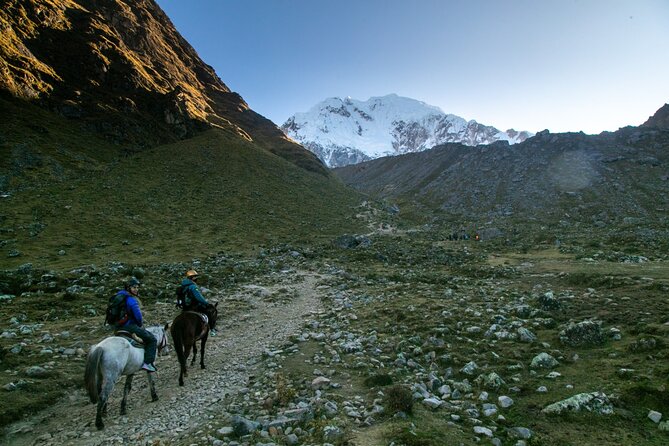
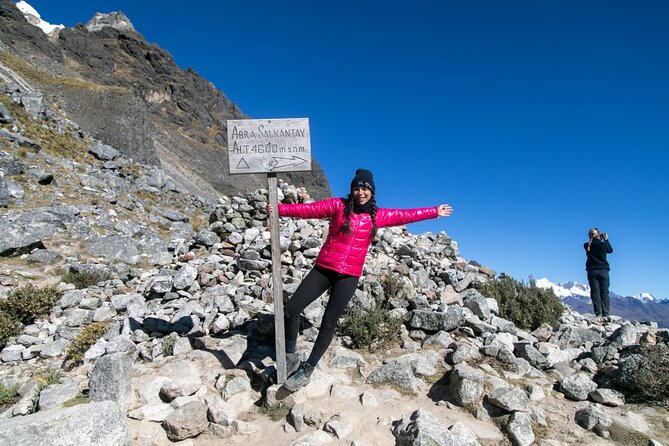
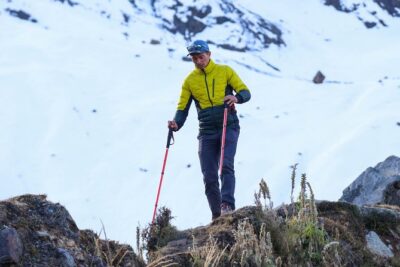
From Soraypampa, the route climbs along the 7 Serpents Trail toward Salkantay Pass. At 4,630 meters, the pass is the trek’s highest point, and the ascent is where fitness alone may not be enough. Altitude can make a familiar pace feel harder. Give yourself time, follow your guide’s instructions, and keep water and snacks accessible. One participant specifically urged future hikers to prepare for the altitude and bring plenty to drink and eat.
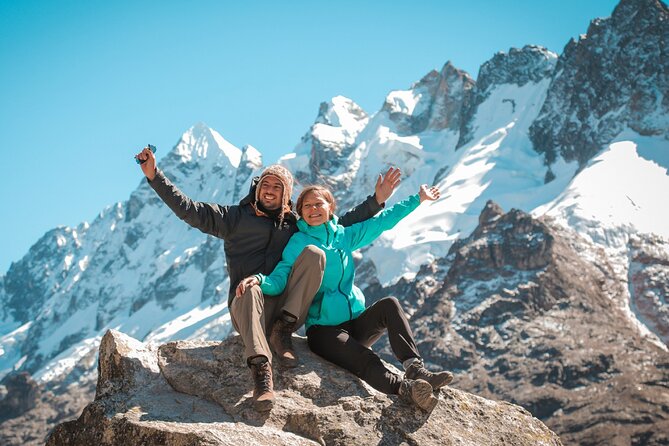
The high mountain scenery is a major payoff: the route is described as running among imposing peaks and glaciers. But this is not a viewpoint reached by a short stroll. Day one is scheduled for about 10 hours, including the climb, lunch at Wayracmachay, and the descent into warmer forest country. A horse carries your duffel, but you will still need to manage your own effort throughout the day.
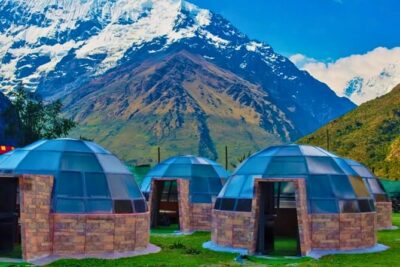
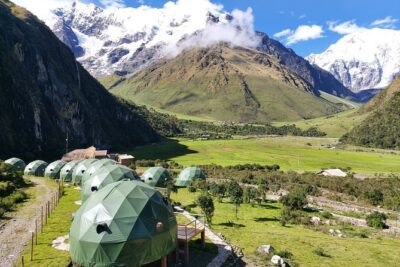
After lunch, the trail drops toward the high Amazon rainforest, where the temperature and surroundings change. That transition is part of what makes this route memorable: you move from thin, cold air into a warmer, greener region in a matter of hours. By evening, you reach Mountain Sky View at Collpapampa, at 2,950 meters, for dinner and a night in the Andean camp.
More Salkantay treks around Cusco:
- Small Group 5 Days Salkantay and Machu Picchu by Llactapata Tour
★ 5.0 · 88 reviews - Machu Picchu: 5-Day Salkantay Trek with Panoramic Train
★ 5.0 · 79 reviews - Salkantay Trek 4 Days to Machu Picchu by Glamping Sky Lodge Dome
★ 5.0 · 68 reviews
Night one: settle in at Mountain Sky View
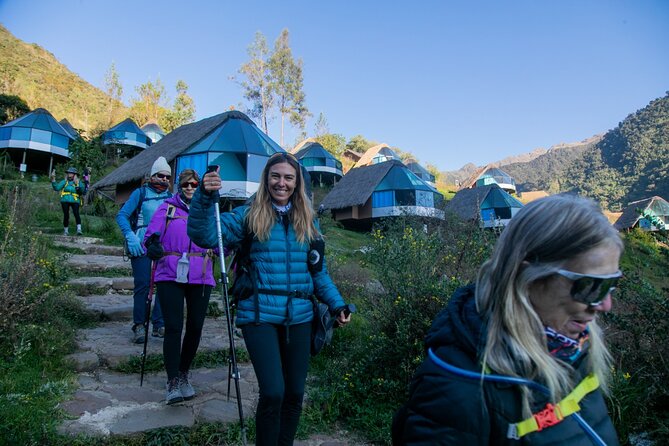
The first night is at a private camp rather than a standard hotel. The package lists camping facilities such as a dining room, kitchen, tables, and chairs, along with a sleeping bag and trekking poles. Cooks prepare the meals, and tea time and trail snacks are included.
This support matters after a long day. You do not need to arrange a place to eat or carry your full overnight load over the pass. The horse carries up to 5 kilograms of your personal gear, so pack that duffel carefully and keep essentials for the day in your own backpack. A rain poncho and backpack cover are also supplied, useful safeguards on a route where the weather can change.
Do not expect a leisurely evening. The first day is strenuous, and the next morning begins with another walk. Dinner under the stars sounds appealing, but the practical priority is likely to be eating, resting, and getting ready for the trail again.
Day two: coffee country and the walk to Aguas Calientes
After breakfast at camp, you set off through the Santa Teresa Valley. The route passes waterfalls, orchids, and coffee plantations on the way to La Playa. This section offers a different kind of day from the high pass: less about climbing into thin air, more about moving through a warmer region and seeing how the route changes as it descends.
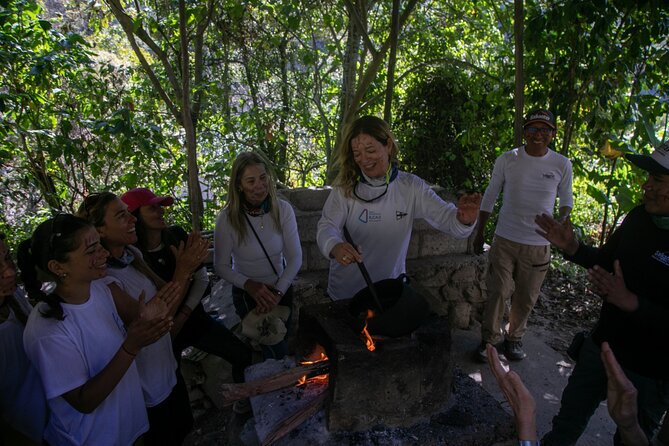
At La Playa, lunch uses local products, and the Lucmabamba Coffee Experience includes a demonstration of artisanal coffee making. It is a worthwhile pause because it connects the trek to local farming, rather than making the day only a test of endurance. If coffee interests you, this is a chance to see how it fits into the area’s daily life.
The walking continues to Hidroeléctrica, followed by a roughly three-hour walk along the Urubamba River toward Aguas Calientes. The optional train between Hidroeléctrica and Aguas Calientes costs extra, so budget for it if you do not want to make that walk. The scheduled day includes several sections of activity, and the listed total at the Aguas Calientes stop is about 10 hours. You should not count on arriving with much energy left for independent sightseeing.
Aguas Calientes is your second night’s stop, this time in a hotel. Dinner with the group is included, along with breakfast the next morning. The change from camp to hotel gives you a more comfortable place to rest before Machu Picchu, though the early start means sleep may still be short.
Day three: a guided visit to Machu Picchu
The final morning begins with a light breakfast, then a bus ride up from Aguas Calientes to Machu Picchu. The bus up is included. The return bus back down is optional and paid on site, so decide whether you want to budget for it rather than assuming both rides are covered.
At the citadel, your guide leads a two-hour visit to temples, terraces, and sacred sites. That guided time is valuable after two hard days on foot: you get context for what you are seeing instead of simply arriving, taking photographs, and trying to piece the site together on your own.
Circuit 2 is included for bookings made three months in advance, but it depends on availability. If it is unavailable, the stated alternatives are Circuit 3 and then Circuit 1. Machu Picchu entry is in high demand, so the operator advises booking at least three months ahead. Your passport name, number, expiry date, and country are required for every participant, and your passport must be current and ready for travel.
After the visit, lunch in Aguas Calientes is at your own expense. In the afternoon, you take a tourist-class train, either The Voyager or Expedition, to Ollantaytambo. Private transport then returns you to Cusco. The train and road transfer are included, but the final meal expenses are not.
More multi-day trips around Cusco:
- Cusco: 4-Day Inca Trail to Machu Picchu with Accommodation
★ 4.8 · 432 reviews - From Cusco: 2-Day Trip to the Sacred Valley and Machu Picchu
★ 4.6 · 265 reviews - Cusco: Machu Picchu 2-Day Inca Trail with Panoramic Train
★ 4.9 · 260 reviews - From Cusco: 2-Day Inca Trail to Machu Picchu
★ 4.2 · 244 reviews
How the guide and group shape the trek
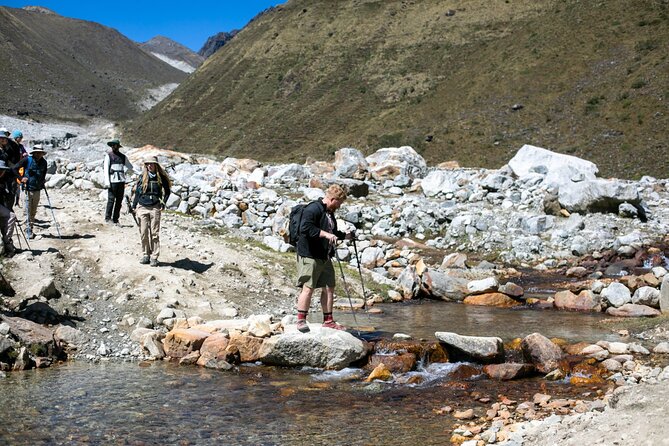
The group limit is 12, and the support team includes an experienced mountain guide, cooks, horsemen, and porters. That setup helps make a demanding route more manageable: you are not carrying all your camping equipment, and meals and transfers are arranged. It does not remove the physical challenge, but it lets you focus more of your attention on walking and pacing yourself.
Guides named by people who completed the trek include Marco, Guido, and Cesar Quispe. They were praised for encouragement, organization, patience, and sharing historical, cultural, and spiritual context. Those are exactly the qualities you want when the climb gets hard. A particular guide is not guaranteed, so treat those names as examples of guides who have led the route, not as a promise about your departure.
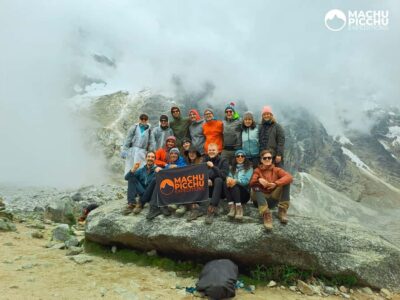
The small group can also make the experience feel more personal than a large, fast-moving tour. One account described the group becoming close by the end, while other accounts highlighted the guide’s support through the pass. That is a pleasant possibility, not a substitute for being ready to walk long hours.
What to pack and how to prepare
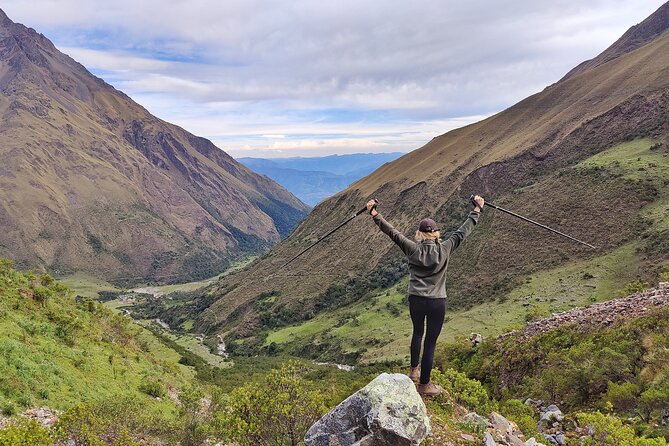
The tour provides a sleeping bag, trekking poles, a rain poncho, a backpack cover, and a duffel bag carried by horse up to 5 kilograms. Personal hiking clothes and gear are not included. You should plan your own clothing and trail essentials, and keep anything you may need during the day in your backpack rather than in the carried duffel.
Arrive in Cusco at least two days before the trek to adjust to the altitude. The pass reaches 4,630 meters, and the first day combines that elevation with a long hike. The operator calls for strong physical fitness and good health; this is not a casual walk made easy by a guide or a horse carrying your extra gear.
There is no need to be an expert trekker to consider the route, but you should be honest about your current activity level. Someone with limited hiking experience may still find it doable, but the pace, altitude, and length of the first two days make preparation important. If you lead a very sedentary life, a longer trek with more time to acclimatize and recover may suit you better.
Vegetarian and vegan meals are available if requested at booking. The package lists three breakfasts, two lunches, and two dinners, with lunch and dinner on the final day excluded. Travel insurance is recommended, and tips for staff are optional.
Is the $680 Salkantay Challenge worth it?
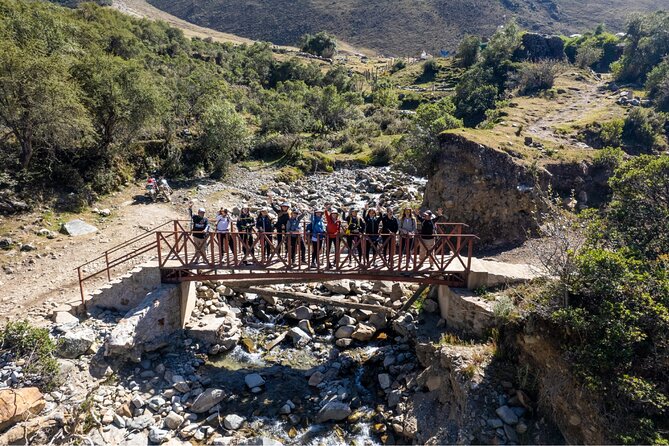
For the right person, the value is strong. The fee gathers transport, accommodation, meals on the trek, equipment, a guide, trail support, Machu Picchu entry, the uphill bus, and the return train into one three-day plan. You also get a route with striking changes in elevation and climate, rather than spending the whole trek in one type of scenery.
The limitations are just as clear. This is a hard, compressed itinerary, not a leisurely introduction to hiking in Peru. The first day is especially demanding, the second still involves substantial walking, and the final day includes an early start and a guided visit before the trip back to Cusco. Optional transport and final-day meals add to the bill.
I would consider booking it if you are reasonably fit, have time to acclimatize in Cusco, and want the Salkantay experience without committing to a longer trek. I would look elsewhere if you need a gentle pace, want several recovery days, or are unsure how your body will handle altitude. Book early, check which Machu Picchu circuit is available, and prepare for the pass rather than hoping enthusiasm will do the work.
FAQ
How long is the Salkantay Trek Challenge?
The experience lasts three days and two nights. You spend one night at Mountain Sky View in Collpapampa and one night in a hotel in Aguas Calientes.
How high is the Salkantay Pass?
The pass reaches 4,630 meters, or about 15,190 feet. The route begins at Soraypampa, at 3,900 meters.
How difficult is this trek?
It is described as a challenging hike for people in good health and physical shape. The first day includes a long climb to the pass and a descent, and the altitude adds to the effort.
What is included in the $680 price?
The price includes trek entrance fees, Machu Picchu entry, two nights of accommodation, meals listed for the first two days, private transport and transfers, a guide, trail support, a sleeping bag, trekking poles, the bus from Aguas Calientes up to Machu Picchu, and a tourist-class train from Aguas Calientes to Ollantaytambo.
Are the train from Hidroeléctrica and the return bus from Machu Picchu included?
No. The train from Hidroeléctrica to Aguas Calientes and the bus from Machu Picchu back to Aguas Calientes are optional and paid directly to their operators.
How far in advance should I book?
The operator recommends booking at least three months ahead because Machu Picchu spaces sell out quickly. Circuit 2 is included for bookings made three months in advance if it is available; otherwise, Circuit 3 and then Circuit 1 are the alternatives.
What happens if I need to cancel?
The experience is non-refundable and cannot be changed for any reason. If poor weather cancels the tour, you will be offered another date or a full refund; if it is canceled because the minimum group size is not met, you will be offered another date or experience, or a full refund.
More three-day trips around Cusco
- Cusco : Sacred Valley & Inca Trail to Machu Picchu 3 days
★ 5.0 · 57 reviews - 3-Day Eco-Sustainable Private Tour Manu National Park
★ 4.5 · 41 reviews - Ausangate and Rainbow Mountain Trek – 3 Days / 2 Nights
★ 5.0 · 35 reviews - Living Nature from Cusco: 3 Days Manu Jungle all inclusive
★ 4.9 · 12 reviews
More hikes and treks around Cusco
- From Cusco: 7 Lakes Ausangate Trek with Breakfast and Lunch
★ 4.8 · 360 reviews - Cusco: Rainbow Mountain Tour and Red Valley Hike (Optional)
★ 4.7 · 149 reviews - Cusco: Full-Day Rainbow Mountain & Red Valley Trekking Tour
★ 4.5 · 121 reviews - From Cusco: Rainbow Mountain Trek
★ 4.5 · 98 reviews
Just added around Cusco
- Zipline over the Sacred Valley Trip★ 5.0 · 11 reviews
- Visit Pisac from Cusco: Private Transport★ 4.6 · 9 reviews
- Valle Sur Cusco | half day★ 4.3 · 3 reviews
- TRIP FROM PUNO TO CUSCO WITH THE ROUTE OF THE SUN★ 4.7 · 16 reviews
- Vinicunca Mountain Tour – Full Day Tour to Rainbow Mountain★ 3.4 · 4 reviews
- Trek to Choquequirao 4 days★ 3.8 · 4 reviews
- Trek to Humantay Lake from Cusco★ 4.9 · 8 reviews
- Exclusive Huayna Picchu Tour in 1 Day from Cusco★ 5.0 · 31 reviews
Salkantay Treks, compared.
Small Group 5 Days Salkantay and Machu Picchu by Llactapata Tour
Read our review →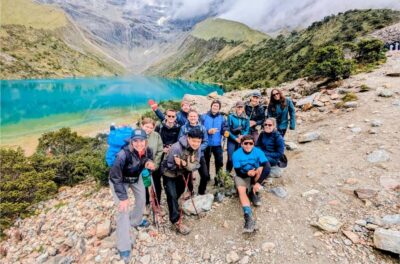
Salkantay Trek 4 Days to Machu Picchu by Glamping Sky Lodge Dome
Read our review →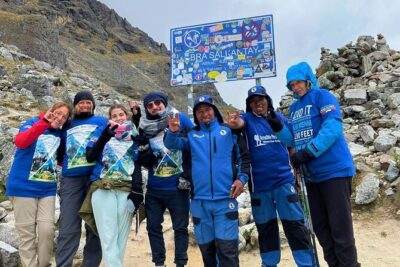
5-Day: Salkantay Trek to Machupicchu and Humantay Lake
Read our review →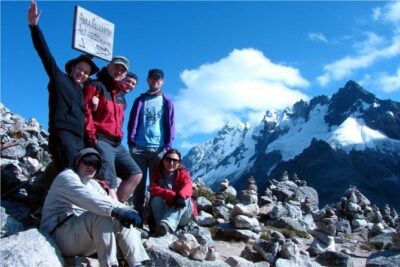
Salkantay Trek to Machu Picchu 5D/4N or 4D/3N by glamping
Read our review →Browse the lists this tour appears in